

Tens of thousands of children in Afghanistan are affected by ongoing flash floods, UNICEF says

UNB
Publish: 03 Jun 2024, 07:23 PM
ISLAMABAD,
Jun 03 (AP/UNB) -Tens of thousands of children in Afghanistan remain affected
by ongoing flash floods, especially in the north and west, the U.N. children's
agency said Monday.
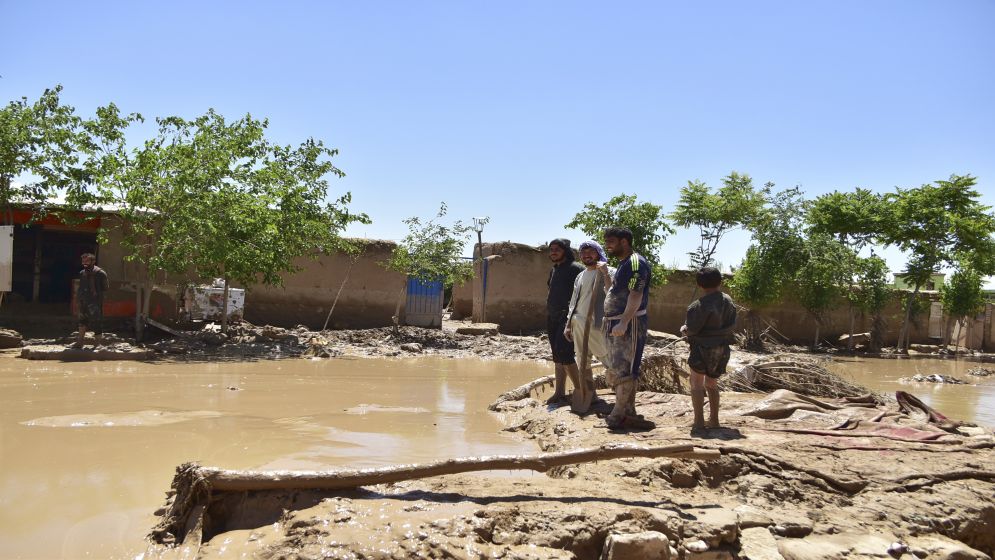
Unusually heavy seasonal
rains have been wreaking havoc on multiple parts of the country, killing
hundreds of people and destroying property and crops. The U.N. food agency has
warned that many survivors are unable to make a living.
UNICEF, the U.N.
children's agency, said the extreme weather has all of the hallmarks of an
intensifying climate crisis, with some of the affected areas having experienced
drought last year.
The World Food Program
said the exceptionally heavy rains in Afghanistan killed more than 300 people
and destroyed thousands of houses in May, mostly in the northern province of
Baghlan. Survivors have been left with no homes, no land, and no source of livelihood,
WFP said.
UNICEF said in a
statement Monday that tens of thousands of children remain affected by ongoing
floods.
"The international
community must redouble efforts and investments to support communities to
alleviate and adapt to the impact of climate change on children," said Dr.
Tajudeen Oyewale, the UNICEF representative in Afghanistan.
At the same time,
"UNICEF and the humanitarian community must prepare ourselves for a new
reality of climate-related disasters," Oyewale said.
Afghanistan ranks 15th
out of 163 nations in the Children's Climate Risk Index. This means that not
only are climate and environmental shocks and stresses prominent in the
country, but children are particularly vulnerable to their effects compared
with elsewhere in the world.
Last week, the private
group Save the Children said about 6.5 million children in Afghanistan are
forecast to experience crisis levels of hunger in 2024.
Nearly three out of 10
Afghan children will face crisis or emergency levels of hunger this year as the
country feels the immediate impact of floods, the long-term effects of drought,
and the return of Afghans from neighboring Pakistan and Iran, the group said in
a report.
More than 557,000
Afghans have returned from Pakistan since September 2023, after Pakistan began
cracking down on foreigners it alleges are in the country illegally, including
1.7 million Afghans.
END/UNB/AP/PR