

Ignoring the austerity measures, the police are receiving a full allocation of fuel

Publish: 30 Mar 2024, 05:09 AM
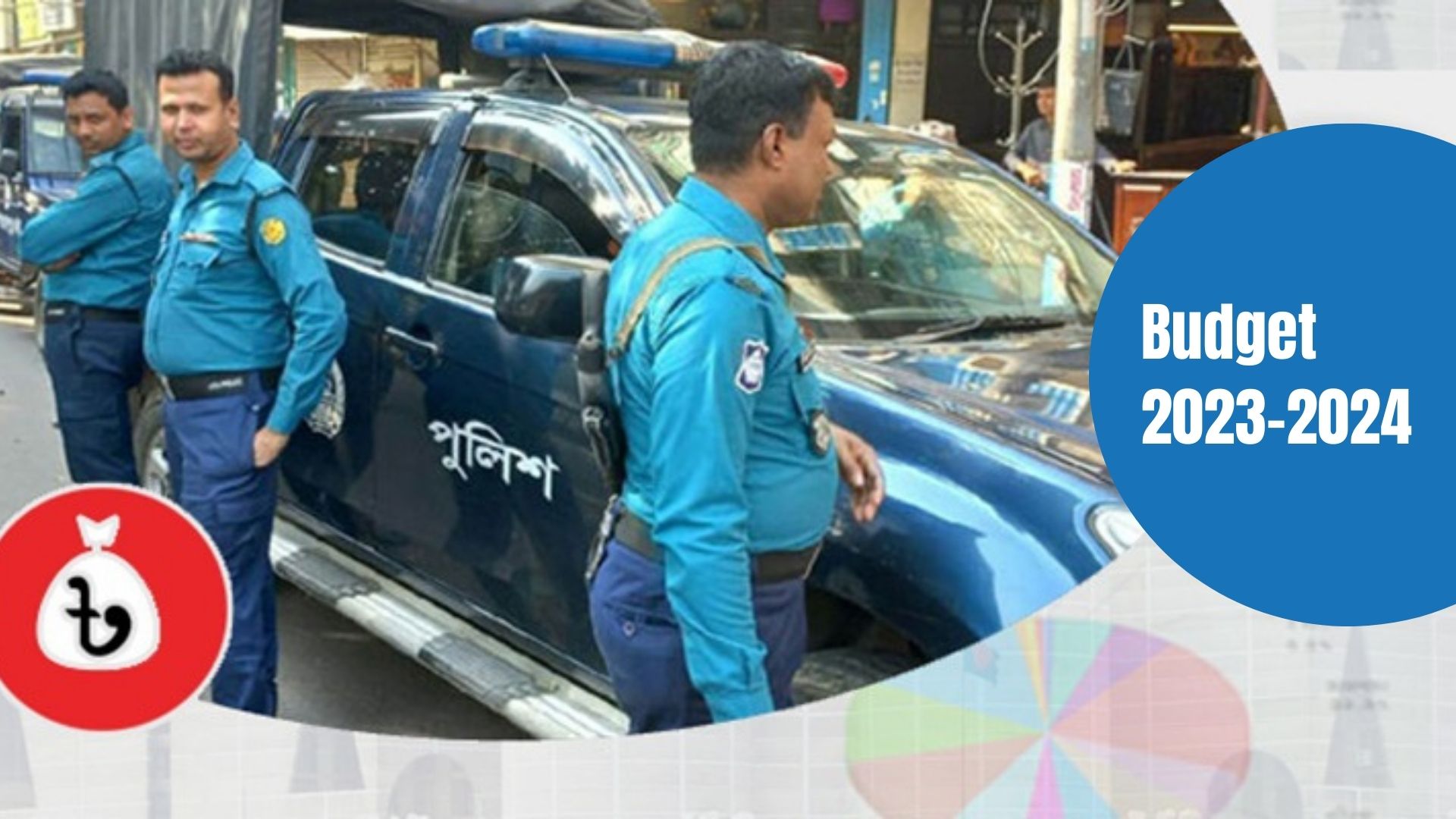
Amidst the prevailing economic crisis, the government has opted for an austerity policy. Nevertheless, following deliberations on the revised fiscal year 2023-24 budget, it has been determined that the police will be allocated 100% of the fuel oil. Therefore, the Bangladesh Police will access the total budget allocation of 533 crore taka for the petrol, oil, and lubricant sectors.
On the preceding Thursday, Bikash Biswas, the senior assistant secretary of the public security department within the Ministry of Home Affairs, officially affirmed this decision in a letter addressed to the secretary of the finance department. Within this correspondence, the Bangladesh Police were duly informed of the resolution reached during the revised budget meeting, which entails allocating the entirety of the budget to the petrol, oil, and lubricant sectors, and they were requested to proceed with its implementation.
In accordance with the government's austerity policy over the past three years, the original plan was to allocate 80 per cent of the total budget for the petrol, oil, and lubricants sector, amounting to Tk 533 crore, to the police. However, during last month's revised budget meeting, discussions on fund allocation for the Bangladesh Police suggested reallocating the entire fuel oil budget, constituting 100 per cent of the allocation.
During the meeting, representatives from the budget offices of both the police and the Ministry of Home Affairs expressed gratitude towards the police for their efforts in quelling opposition parties and facilitating the electoral process. They advocated for the total allocation of funds to the petrol, oil, and lubricants sector.
On the other hand, finance officials pointed out the National Board of Revenue's (NBR) low revenue collection and insufficient foreign funds, arguing against allocating the entire budget. However, immediately following the meeting, the Prime Minister's Office directed the Finance Department to halt the austerity measures concerning the Bangladesh Police. Consequently, a decision was made to allocate the total budget to the police.
According to the letter from the Public Security Department of the Ministry of Home Affairs, for the financial year 2023-24, the Bangladesh Police budget allocated Tk 533 crore for the petrol, oil, and lubricant sector. Adhering to the austerity policy, 80 per cent of this year's budget has been designated for this sector, allocating 427 crores for the Bangladesh Police. In comparison, during the financial year 2022-23, an allocation of Tk 474 crore was made for the petrol, oil, and lubricants sector, representing a decrease of 47 crore compared to the 2023-24 financial year allocation.
As per the letter, there has been a 43 per cent increase in the price of fuel oil within the country over a few years. Additionally, there has been a surge in the number of police vehicles. Notably, in the preceding financial year, 100 double-cabin pick-up trucks were utilized by the police in preparation for the elections. In the current financial year, leading up to and during the elections, the Bangladesh Police has deployed two helicopters, 28 double-cabin pick-up vans, four jeeps, and 53 motorcycles.
Bangladesh Police decided to procure these vehicles before this year's elections. An emergency fund of 15.40 crore was swiftly released to acquire 28 vehicles. These vehicles were purchased from Pragati Industries Limited, a state-owned car manufacturer, utilizing the direct purchase method. Each vehicle was priced at 55 lakhs.
Former Superintendent of Police (SP) Barrister Zillur Rahman expressed concerns to Bangla Outlook regarding the police's actions on October 28, where they conducted arrests and engaged in torture against BNP and opposition party leaders. He highlighted that such actions do not align with the established police code of conduct in the country.
He further noted that instead of facing punishment and scrutiny, the law enforcement forces involved in such actions are rewarded in various ways. This observation raises concerns about the integrity of the system.