

What Mahfuj Alam asks Jamaat is to evade whataboutism and revisionism..and have a moral reckoning

Nadia Rahman
Publish: 17 May 2025, 06:12 PM
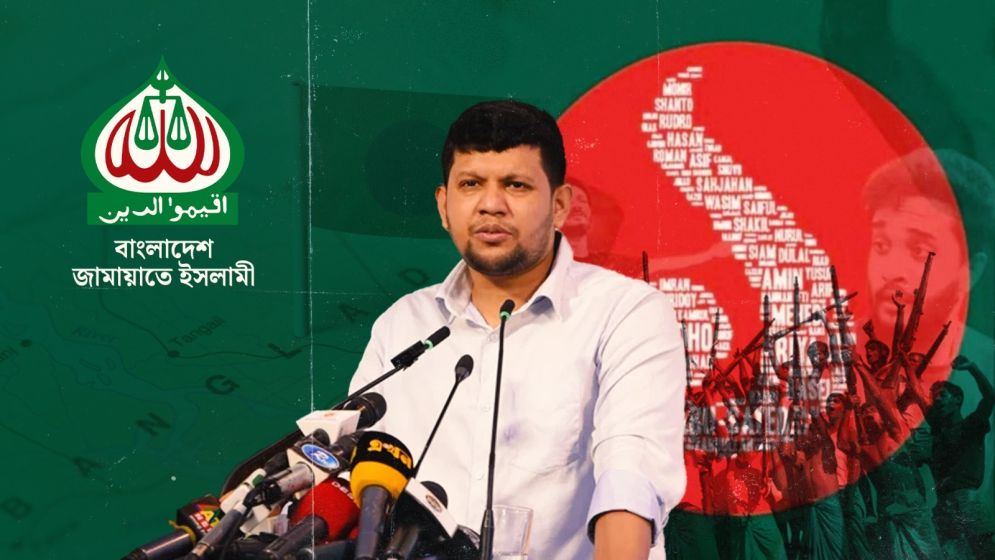
More than half a century has passed since the horrors of 1971 tore Bangladesh from the clutches of a genocidal regime. And yet, the ghosts of that brutal birth still haunt our politics, our society– and our conscience.
Last week, Information Adviser Mahfuj Alam broke a long, deafening silence. In a public statement, he addressed what many in our political class still tiptoe around: the role of Jamaat-e-Islami as collaborators in the war crimes of 1971.
Mahfuj didn’t just call for a long-overdue apology. He demanded an end to the perverse justifications of genocide and to the lingering pro-Pakistani sentiments embedded in parts of the Jamaat psyche.
The backlash was swift and fierce. Jamaat and its student wing, Shibir, erupted in outrage. Predictably, they accused Mahfuj–and anyone who echoes his call–of political opportunism.
This is not new. Since the events following August 5th, Jamaat has repeatedly been called to account in interviews and public discourse. Each time, the reaction is the same: obfuscation, denial, defensiveness.
To be clear, the party has a complex and painful history. Between 2009 and 2012, several of Jamaat’s key figures were tried– and some executed–under a war crimes tribunal riddled with procedural controversy.
The regime at the time was brutal. Countless Jamaat members faced harassment, politically motivated prosecutions, disappearances, even extrajudicial killings. These were real, horrifying abuses, and they deserve reckoning in their own right.
But repression does not erase responsibility and past trauma does not absolve a political organization of its original sin: active collaboration in the genocide of its own people.
The reality is stark and unyielding–Jamaat was the domestic arm of the Pakistani military’s campaign of extermination.
And this is not just an allegation; it is a historical fact.
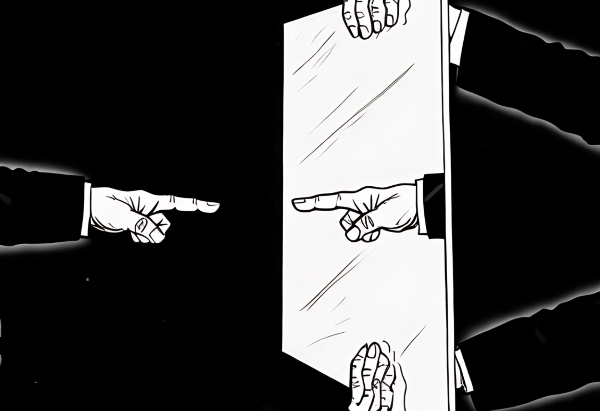
Where lies the faultline?
If Bangladesh is to move beyond its fractured past, every political actor must confront the truth at the core of our nationhood: the Liberation War is not an ideological debate–it is the foundation of our state.
Any party seeking legitimacy must own this legacy. And ownership begins with acknowledgement.
Yet Jamaat continues to evade. In the wake of the August 5th controversy, Shibir’s own publication went so far as to call the Liberation War a “mistake”-- an outrageous revisionism that seeks forgiveness not for Jamaat’s crimes, but for the courage of the freedom fighters.
This was not just intellectual dishonesty. It is an ongoing insult to the millions who sacrificed everything.
Jamaat likes to frame every criticism as a political attack. But this is not just politics. This is national memory. This is justice.
If Jamaat wishes to be accepted as a moderate Islamic political force, it must first come to terms with its extremist past. True reconciliation demands more than legal acquittals or martyrdom narratives.
It demands remorse. It demands reform. It demands a sincere, unequivocal apology.
Until then, the needle of betrayal will continue to prick–not because we refuse to forget, but because Jamaat refuses to remember.
This historical amnesia–or worse, revisionism–is part of a broader ideological drift Jamaat has never fully disavowed: a latent pro-Pakistanism that rejects the very premise of our liberation.
In their more revealing moments, Jamaat loyalists don’t describe 1971 as a genocide. They describe it, with a heavy and misplaced grief, as “the breaking of a Muslim country.”
Let that sink in.
For them, the Liberation War is not a moral victory or a fight for self-determination. It's a tragedy–not because of the mass killings or the rape camps, but because it divided the ummah.
In this framing, Bangladesh’s birth is not a moment of emancipation, but of regret. And this is where Jamaat’s ideological confusion becomes most dangerous.
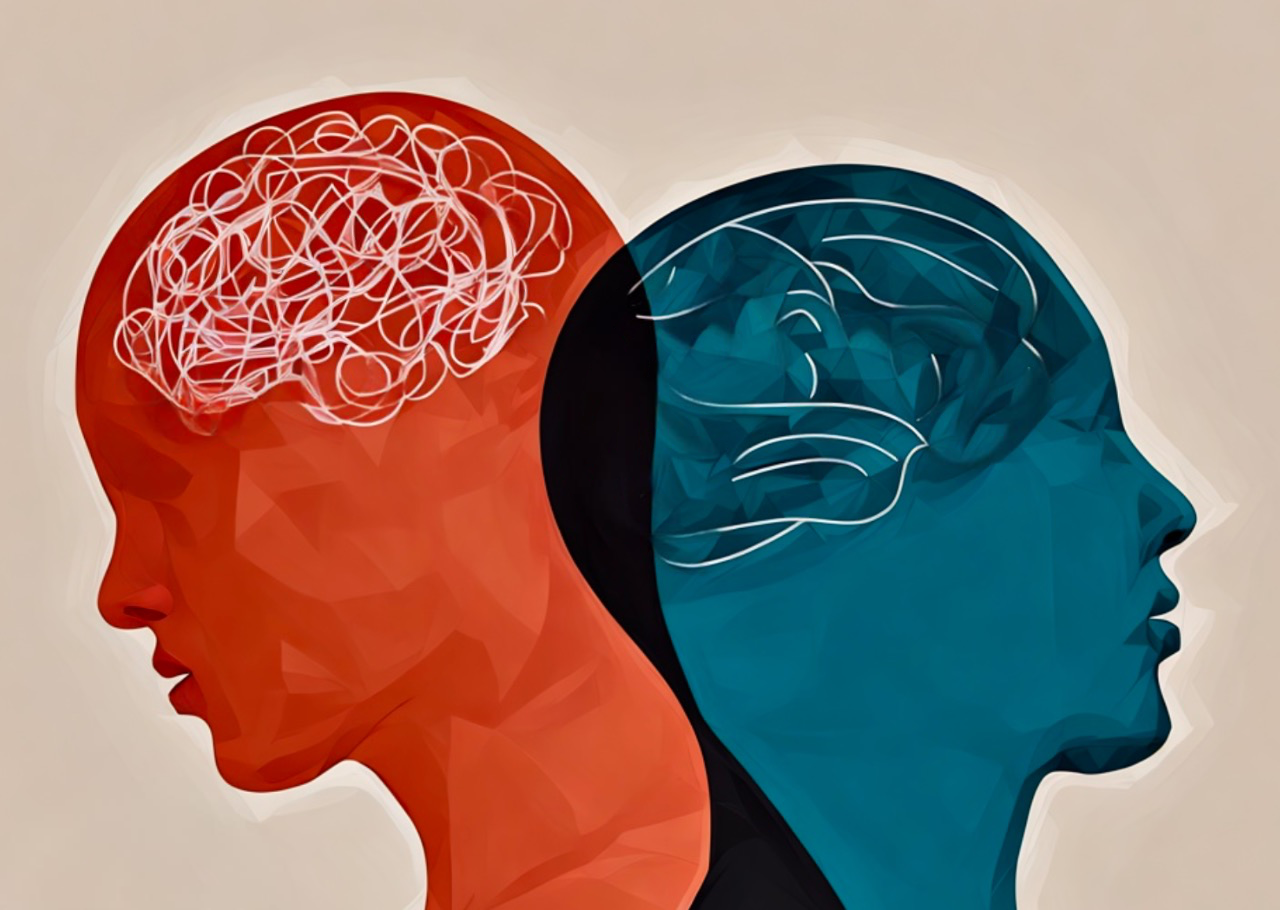
The purgation they need
Their narrative is essentially incoherent and inconsistent. Some factions cautiously acknowledge the events of 1971, others outright deny them, while a third group continues to justify their collaboration with the Pakistani regime.
There is no clarity– just a rotating carousel of half-confessions, evasions, and dog whistles.
If Jamaat wishes to have a future in Bangladesh’s democratic framework, it must answer, decisively and publicly, three fundamental questions:
1: What do they believe they did in 1971? Do they accept responsibility, deny involvement, or continue to justify their actions?
2: What is their honest stance on the Liberation War itself? Was it a just fight for freedom or merely a regrettable geopolitical rupture?
3: What role do they see for themselves in the future of a sovereign, secular, pluralistic Bangladesh? Can they truly belong to a nation they once helped destroy?
Mahfuj, with a vision rooted in reconciliation and unity, has made a pragmatic call. He’s asking Jamaat to break the final taboo, to resolve questions [on ‘71] that continue to cast a shadow over their legitimacy.
What he’s asking is simple, and it’s necessary: to put this question to rest once and for all, so that no young party member is left wondering what to say, so that no future movement is distracted or distorted by the unresolved ghosts of 1971.
To finally unburden themselves of guilt, denial, and shame– and reach forward, hand extended, in good faith.
But a hand cannot be shaken if one remains clenched in defiance.
Bangladesh has long since moved forward. It’s time for Jamaat to decide if it’s coming with us– or staying stuck in a past it refuses to own.
—-
Nadia Rahman is a student of Mass Communication and Journalism of Jahangirnagar University