

Bangladesh stands at a democratic fault line, and only an election can pull it back from the edge
Nayel Rahman
Publish: 22 Dec 2025, 10:14 PM
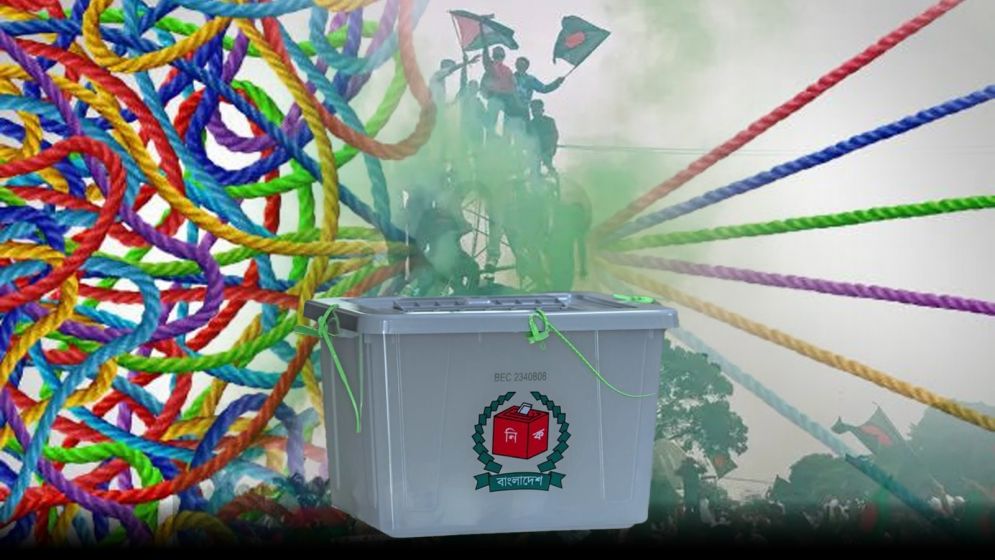
Put bluntly, a genuinely free and fair election has a way of restoring order. It assigns credit where it is due and failure where it belongs.
If the process holds, voters will do more than cast ballots; they will deliver a long-delayed verdict on what Bangladesh’s political parties and their activists have actually accomplished—or squandered—over the past seventeen years.
Elections, at their best, are not celebrations of ambition but audits of performance.
Yet nearly every major political actor now behaves as though power is an entitlement rather than a mandate. Each believes it alone deserves to govern, and more tellingly, that it alone possesses the authority to reengineer the post-Hasina state.
This conviction is rarely stated aloud, but it animates strategy rooms and public messaging alike. The contest is no longer merely about winning office; it is about claiming authorship over the nation’s future.
When multiple factions simultaneously attempt to punch above their weight, take reckless gambles, and rehearse absolutist visions—while navigating their first national election in the age of social media virality and artificial intelligence—the result is a dangerous volatility.
The justifications differ, though the arrogance is shared. Some insist it is simply “their turn.”
Others cloak ambition in claims of intellectual superiority, or moral purity, or historical destiny. Each argument implies the same conclusion that compromise is weakness, and losing is illegitimate.
Democracy, however, does not recognize moral hierarchies among contenders; it recognizes only consent.
That is why polling has become another battlefield rather than a tool for understanding public sentiment. With 30 to 40 percent of voters still undecided, surveys offer ambiguity instead of reassurance.
Any poll that fails to confirm a party’s self-image is instantly dismissed as flawed or biased.
The truth is more uncomfortable though. No survey will ever satisfy actors who are unwilling to accept outcomes they do not control.
The problem, then, is not the data. It is the growing refusal to accept that the people—not parties, pundits, or projections—will have the final word.
-6949714c5a252.jpeg)
The necessity of an election
Only an election can dispel the fog that now clouds the political landscape—cut through illusion, puncture inflated claims, and force every actor back onto solid ground.
In a moment defined by suspicion and overreach, the ballot remains the sole instrument capable of restoring democratic gravity.
That logic applies to nearly all of the major players contesting the coming vote. But there is one notable exception: the remnants of an authoritarian order that has already fallen.
An election that excludes them would accelerate their slide into political irrelevance.
Their continued presence—unmoored from public consent and hostile to accountability—now poses a threat not just to rival parties, but to the country’s collective peace and future prosperity.
At this point, their survival depends less on popular support than on prolonged instability.
As the campaign intensifies, passions will harden and rhetoric will turn sharper. Allegiances will be tested. Yet beneath the noise, a simpler reality persists.
When it comes to the election itself, there are no endless factions—only two camps: those committed to seeing the vote through, and those who would benefit from its derailment.
The overwhelming majority of citizens belong to the first group. Their responsibility is not ideological purity, but democratic resolve—to hold together long enough to ensure that the process is completed.
History rarely offers ideal choices, only necessary ones. Circumstance, not comfort, is shaping this moment.
Now, the nation mourns Shaheed Sharif Osman Hadi—a life lost to the very disorder that elections are meant to prevent. With the return of normalcy, however fragile, the true measure of our resolve will be whether we honor that loss not with words alone, but by refusing to let the democratic moment slip away.
—
Nayel Rahman is a political analyst