

Bangladesh is the only SAARC nation never invited to India’s Republic Day parade. That absence speaks volumes

Faisal Mahmud
Publish: 05 Feb 2026, 06:18 PM
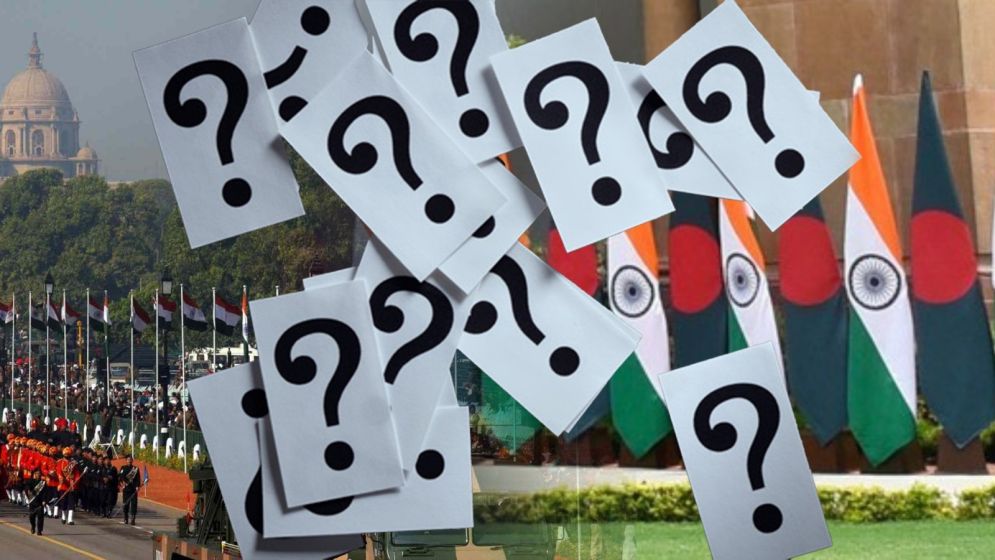
Every January 26, India’s Republic Day parade does more than celebrate a constitutional milestone. It sends diplomatic signals.
The chief guest—seated beside India’s leaders, saluted by marching columns—embodies New Delhi’s view of who matters at that moment in history. And over seven decades, India has used this stage generously.
Presidents and prime ministers from the United States, France, Japan, Russia, South Africa, Brazil, Indonesia and dozens more have been honored. Even within South Asia, a region riven by rivalry and mistrust, India has invited almost everyone. Almost.
One country stands out by its absence. Bangladesh.
Since 1950, India has invited heads of government or state from every other SAARC country to be Republic Day chief guest at least once. Nepal’s king was there in 1951. Bhutan’s monarchs and kings of Afghanistan followed.
India has reached across the scorched earth of Partition to host Pakistani leaders during the fragile thaws of the 1950s and 60s. Sri Lanka’s president was invited in 1988. Maldives’ president Maumoon Abdul Gayoom was chief guest in 1991.
Even during periods of acute tension in the whole region, New Delhi has signaled openness to regional engagement through this ceremonial honor.
Bangladesh—India’s closest linguistic and cultural neighbor, born with decisive Indian military and diplomatic support in 197—has never received that invitation. Not once.
The omission is all more striking because of the breadth of India’s invitations elsewhere. More than 60 countries’ leaders have been Republic Day chief guests.
India has rolled out the red carpet for the US President Barack Obama, French leaders multiple times, Japanese prime ministers, Russian presidents, African heads of state and, memorably, all ten ASEAN leaders together in 2018.
The symbolism is deliberate. Which makes the silence toward Dhaka impossible to ignore.

Why the snub?
Now the question is why has this happened?
Part of the answer lies in India’s habit of using Republic Day as a strategic billboard. Invitations often mark turning points—defense partnerships, bilateral negotiations, trade alignments, geopolitical signaling to rivals.
Bangladesh, paradoxically, has rarely needed such signaling. For decades, New Delhi treated Dhaka as a “settled” relationship: cooperative on security, dependent on India’s goodwill for transit and trade, and aligned closely on counterterrorism.
In diplomatic calculus, urgency often matters more than intimacy. Bangladesh’s reliability may have worked against it.
Domestic politics in both countries also loom large. In India, Bangladesh has frequently been framed through the lens of illegal migration and identity politics—subjects that polarize rather than inspire pageantry.
Elevating a Bangladeshi leader to chief guest status risks domestic backlash that inviting a distant power like France or Brazil does not. Symbolism cuts both ways.
Then there is Bangladesh’s own turbulent political history: coups, assassinations, military rule and bitter party polarization. Indian governments may have hesitated to confer their highest ceremonial honor on leaders whose tenure or legitimacy seemed uncertain, preferring quieter engagement over grand gestures.
But explanations can only go so far. Symbols accumulate meaning over time.
After more than 50 Republic Days, the pattern looks less like oversight and more like a message—intentional or not—that Bangladesh occupies a lower rung in India’s diplomatic imagination.
And it becomes even more baffling when one considers Sheikh Hasina. For more than a decade, she was widely regarded in New Delhi as India’s strongest ally in Dhaka.
Her government cracked down on anti-India insurgents, deepened security cooperation and resisted domestic pressures to distance Bangladesh from India.
If any Bangladeshi leader was likely to receive the Republic Day invitation, it was Hasina. She never did.
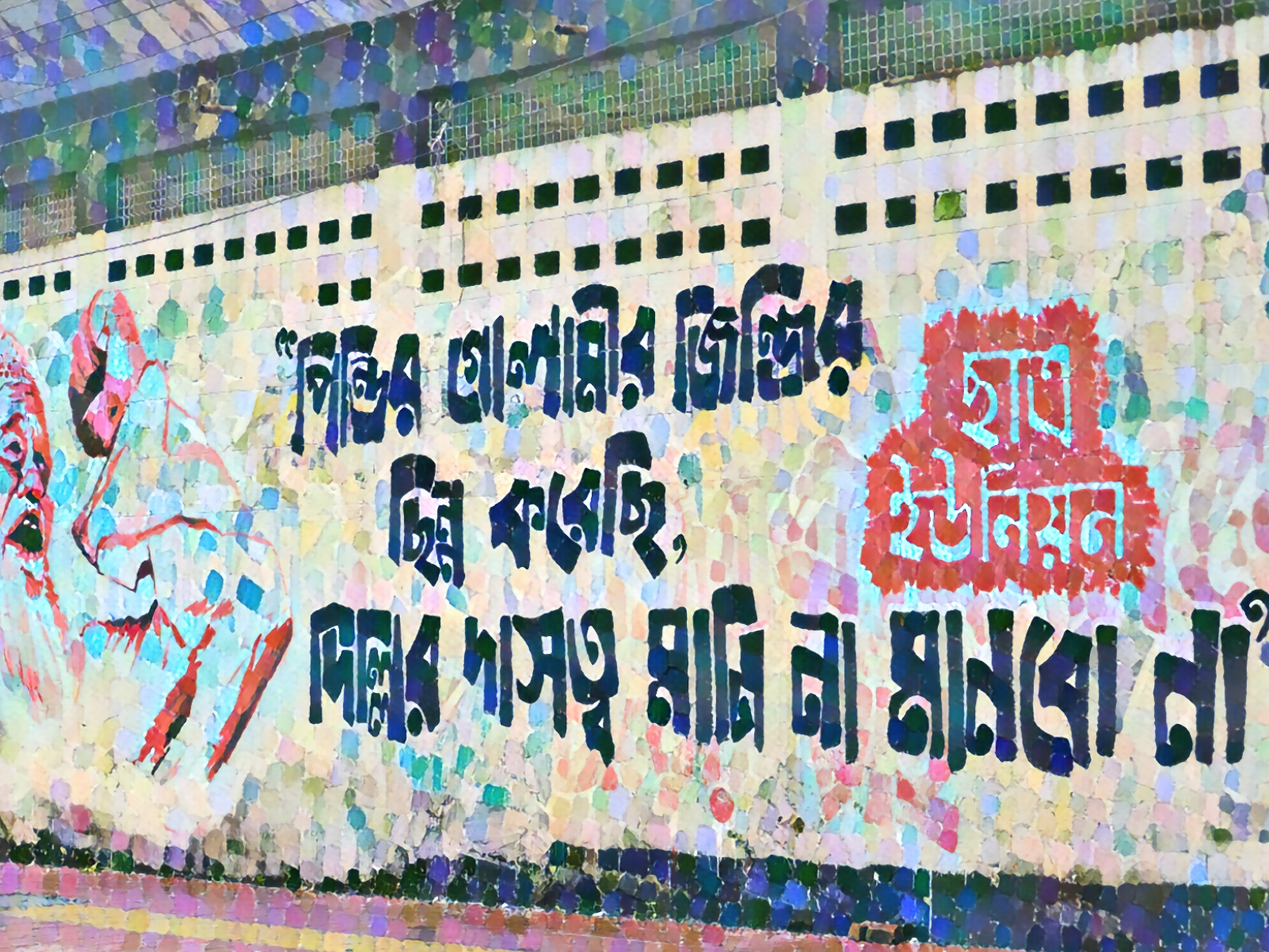
Loud silence
Hasina’s eventual ouster by a massive uprising in August 2024 has strained the bilateral relationship further, stripping away what New Delhi had come to see as a dependable political anchor.
India’s long-standing habit of investing heavily in individual leaders rather than institutions has left it exposed.
Disputes over water sharing, particularly the unresolved Teesta agreement, have long been festered. Trade imbalances favor India heavily, breeding further resentment in Bangladesh.
New Delhi’s domestic rhetoric on citizenship and migration has also unsettled Dhaka, while Bangladesh’s growing economic ties with China have raised Indian anxieties.
In this context, the absence of a Republic Day invitation reads as a metaphor for a broader malaise. India often speaks of Bangladesh as a “trusted partner” and a pillar of its “Neighborhood First” policy.
Yet symbolism is policy’s emotional language. Trust that is never publicly affirmed eventually feels conditional.
Inviting a Bangladeshi head of government as Republic Day chief guest would not solve substantive disputes. But it would acknowledge a simple truth that no country’s independence story is more intertwined with India’s than Bangladesh’s.
The continued failure to recognize that bond on India’s most symbolic day suggests a foreign policy that values leverage over reassurance.
For a nation that prides itself on strategic subtlety, the silence has become loud.
—