

How BNP’s ground dominance shattered Jamaat’s digital surge in the 13th parliamentary election

Sagor Hasnath
Publish: 15 Feb 2026, 06:05 PM
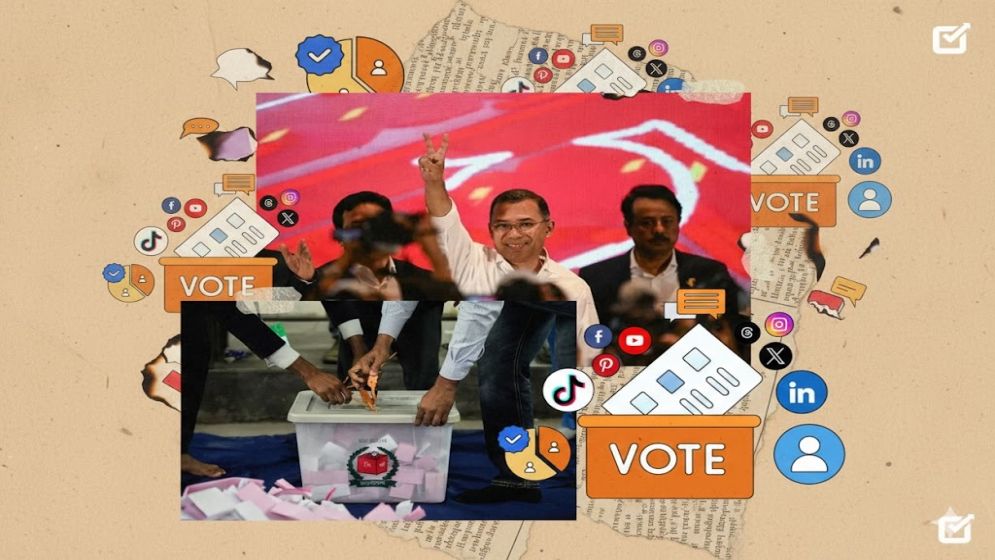
I am a student of business, trained to see the world through the discipline’s analytic frame. From that vantage point, politics can resemble commerce. It can be seen as an exercise in offering services to prospective clients and persuading an audience.
With that perspective in mind, I set out to approach this election as a business case study. My intention is to examine the promotional strategies, competitive advantages and structural shortcomings of the BNP and Jamaat, and to draw lessons that may be useful to business owners and brand practitioners.
Because this is an academic exercise, readers will inevitably find points open to debate. I would encourage, however, that it be read as analysis rather than advocacy.
Though written primarily for fellow business observers, it may also offer political practitioners insights as they refine their future strategies.
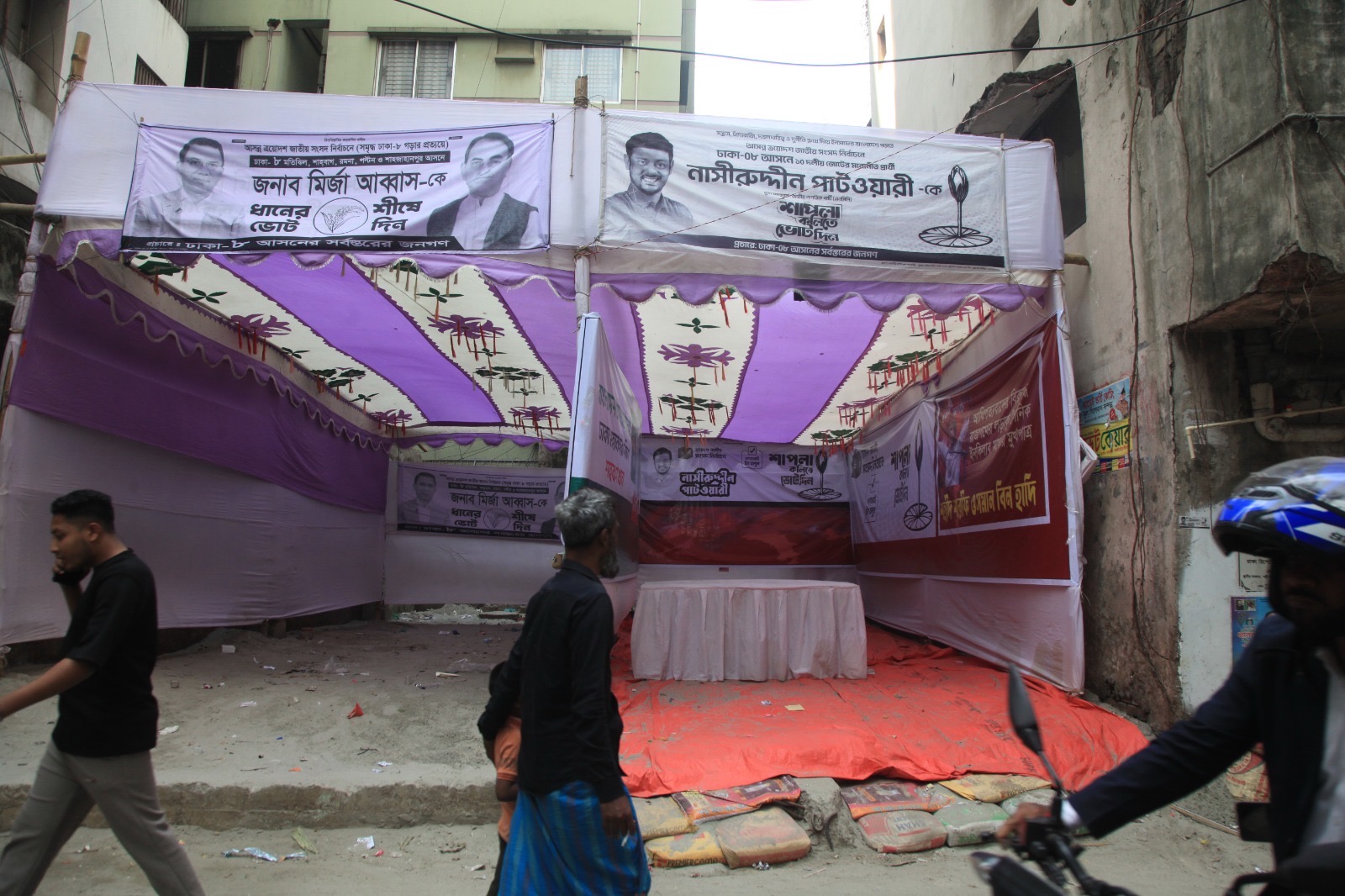
What stood out most on the campaign trail was the stark disparity in brand visibility between the BNP and the Jamaat alliance. By my estimation, the difference was considerable—perhaps as wide as a ratio of 10 to 2.
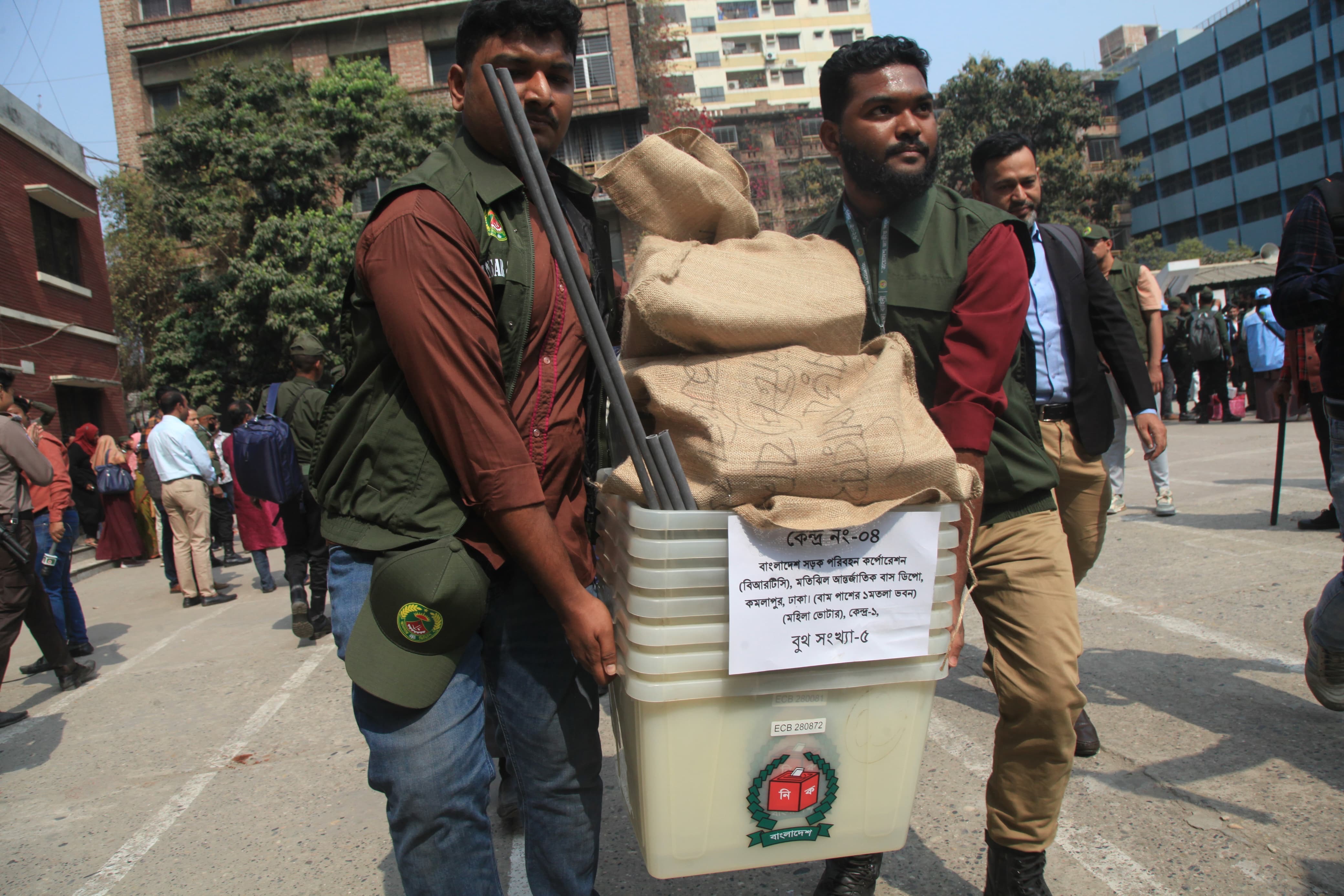
The BNP appeared dominant across nearly every physical touchpoint. Booths, banners, posters and manpower.
In modern markets, a superior product alone rarely guarantees success. Visibility and availability play decisive roles in consumer choice.
Large corporations understand this well. They invest heavily to secure prominent shelf space, position products at eye level and ensure their presence in high-traffic retail environments.
These decisions are rooted in careful calculations about human behavior.
This dynamic often reinforces itself. Smaller brands, constrained by limited resources, struggle to invest in visibility. Without visibility, they fail to grow. And without growth, they remain unable to invest.
It is a self-perpetuating cycle familiar to anyone who studies market competition. This election, in many ways, illustrated that same principle.
The lesson is not abstract for me. At Beefwala—the restaurant brand that I run—we long took a casual approach to visibility, preferring the romance of being a “hidden gem.”
We assumed that a strong product would draw customers on its own merit. As a result, we neglected even the basics: clear road signage and a visible presence. This election has forced me to reconsider. Quality alone is not sufficient.
Visibility, too, requires deliberate investment.
Online vs real life
The contrast between online and offline strategy was equally striking.
Jamaat demonstrated formidable strength in the digital arena. Its supporters produced a steady stream of short-form videos, coordinated social media activity and memorable campaign songs. Online, their presence was unmistakable.
Yet on the ground, the balance shifted. The BNP relied on scale and physical engagement. Its workers canvassed neighborhoods, staffed booths and maintained a visible, continuous presence.
The party’s offline infrastructure appeared broader and more persistent.
This divergence suggests a miscalculation common in both politics and business: overestimating the reach of digital engagement while underestimating the enduring importance of physical presence.
The result was not merely a difference in tactics, but in perception. Where one side dominated screens, the other dominated streets.
And in markets, as in elections, presence often shapes outcome.
There is, however, a warning here for the Bangladesh Nationalist Party. Its victory was more fragile than it appeared. The reason the Bangladesh Jamaat-e-Islami was able to challenge it at all was the BNP’s anemic digital presence.
Politics, like business, punishes those who misread the direction of momentum. If the BNP learns to capture public sentiment online with the same discipline it demonstrated offline, its dominance could harden into something far more durable.
The larger lesson is unmistakable though. Online activism alone is insufficient. Offline machinery alone is insufficient. Power now belongs to those who integrate both.
Businesses that rely exclusively on digital channels expose themselves to sudden disruption. Those that remain stubbornly analog surrender vast, expanding markets.
The same is true in politics. Hybrid strength is no longer optional. It is the price of relevance.
Absence of political stars
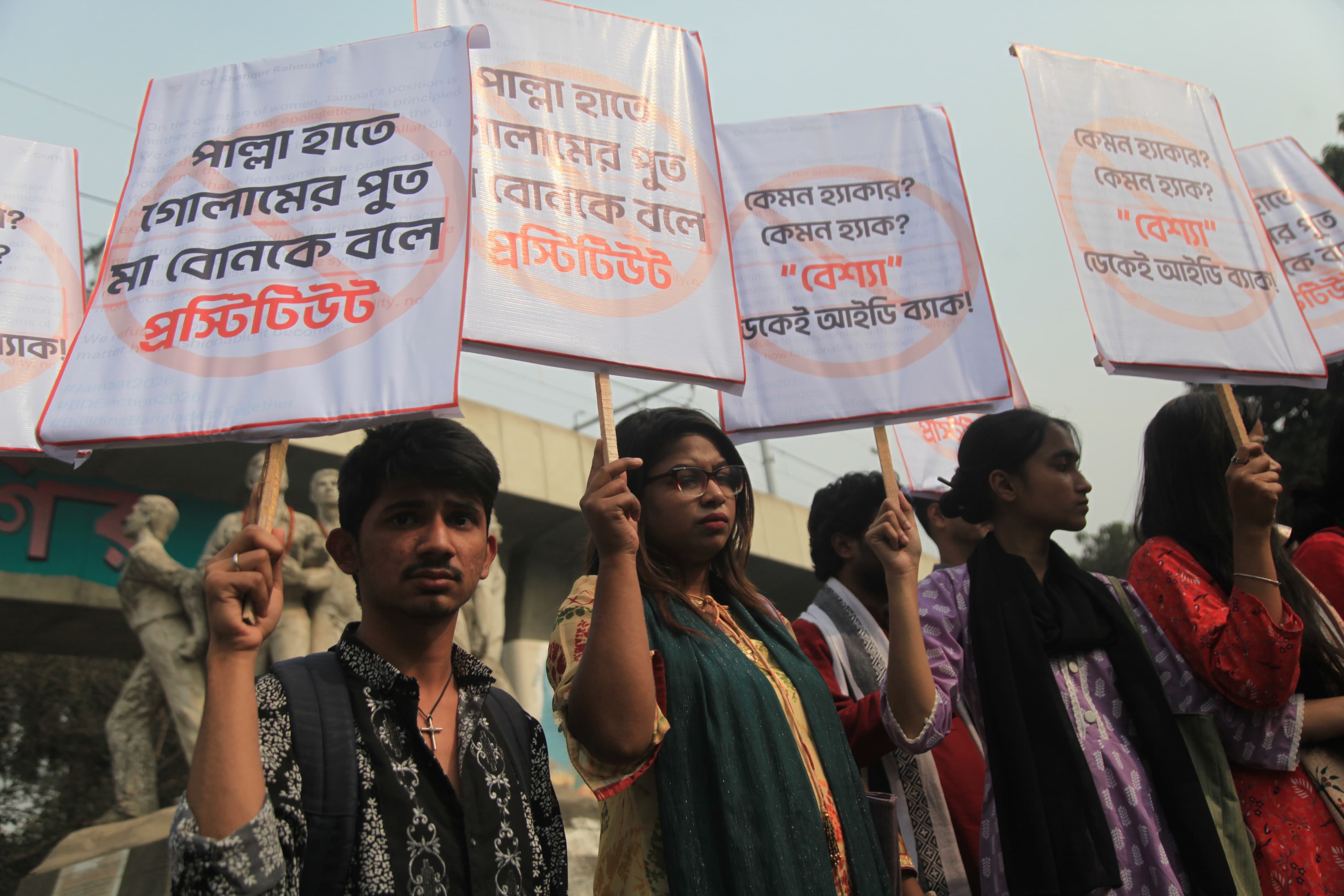
Jamaat’s deeper weakness was not technological but human. It lacked recognizable political stars—the “heavyweights” who signal power before they speak a word.
Its branding revolved narrowly around its top leader, leaving much of its slate populated by candidates unfamiliar even to their own constituencies.
Voters, whatever their ideals, are drawn to perceived influence. They want representatives who look capable of commanding systems, not merely participating in them.
The contrast with the National Citizen Party was instructive. In remarkably little time, it manufactured political celebrity and converted visibility into parliamentary footholds.
Celebrity, in politics as in commerce, is not vanity. It is distribution. Jamaat’s deficit is partly structural—the consequence of years spent outside the full arena of open political competition—but structural weakness does not excuse strategic inertia.
Celebrity can be built. But it must be built deliberately.
The BNP, by contrast, understood this instinctively. Its ranks are filled with figures whose names carry weight. Its nominees often came from locally entrenched, affluent or influential families.
The romantic image of the humble, anonymous representative may play well on social media. But most voters are not searching for humility.
They are searching for leverage— someone who can bend indifferent institutions in their favor, someone whose presence alone alters the behavior of officials.
Business owners would do well to recognize the parallel. Personal brand is not decoration rather it is an economic force. A strong public identity—or the borrowed credibility of an endorsement—reduces the cost of persuasion.
Influence, once established, compounds.
There is another, less discussed reality. No enterprise operates in a vacuum. Regulation, licensing, enforcement—these are ever-present risks. Stability depends, in part, on relationships with those who oversee the system.
In this election, the BNP appeared far more adept at maintaining functional proximity to powerful institutions: the administrative apparatus, the security establishment, and the media ecosystem.
That advantage translated into resilience.
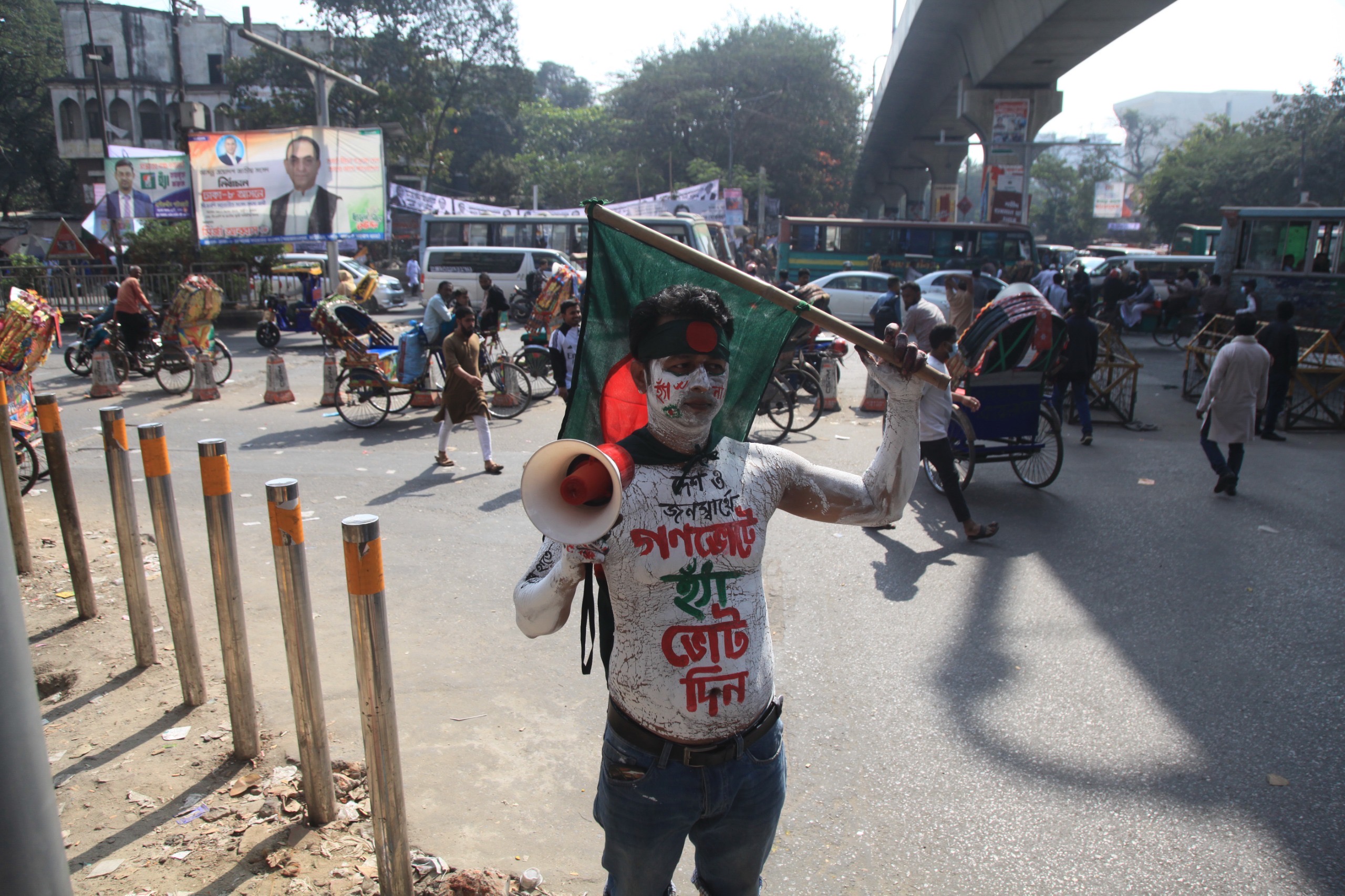
The power of real visibility
Elections, like markets, are decided both in public view and behind the scenes. Voters matter. But so does infrastructure. So does perception. So does power.
The lesson is unsentimental. To win, you must be visible everywhere, influential where it counts and prepared for contests both on the field and off it.
In business, partnerships are rarely cosmetic. They shape access, credibility and, ultimately, outcomes. Politics is no different. The alliances a party chooses can expand its reach—or quietly seal its limits.
That tension defined the relationship between Bangladesh Jamaat-e-Islami and the NCP.
To its defenders, the alliance was a strategic breakthrough. It offered Jamaat something it had long struggled to secure on its own: social permission inside urban, educated circles.
For voters wary of Jamaat’s reputation, the NCP provided a layer of insulation—a more acceptable label to support. Among students and younger voters, the partnership functioned as a reputational bridge, softening resistance and opening doors in universities and elite spaces that had often been closed.
But alliances extract a price. Critics argue that Jamaat’s partnership alienated other segments, particularly voters historically aligned with the Bangladesh Awami League and religious minorities.
In dozens of constituencies, Jamaat fell short by margins small enough to invite second-guessing. In elections, coalitions do not simply add voters; they also subtract them.
This leaves Jamaat with a strategic choice that is less about ideology than arithmetic: pursue long-term legitimacy among urban elites and youth, or chase marginal votes in constituencies where distrust runs deeper.
The first path builds future relevance. The second chases immediate gains. Political history tends to reward those who invest in the future rather than bargain with the past.
Yet Jamaat’s most revealing weakness was not whom it allied with, but what it offered.
Campaigns, like businesses, require a product. Jamaat’s message often felt abstract — built around moral positioning rather than concrete promises. Its rhetoric invoked fairness and justice, but rarely translated those ideals into measurable commitments.
Voters were asked to believe, but not shown precisely what they would receive.
BNP’s “plans” worked
By contrast, the BNP understood the persuasive power of specificity.
Its campaign spoke in numbers: how many trees would be planted, how many projects completed, how many opportunities created.
Whether or not every promise was realistic mattered less than the impression they created. Numbers signal intent. They make the intangible feel tangible.
Jamaat, meanwhile, leaned heavily on attacking its opponent’s credibility, especially online. That strategy was not without effect. Its vote share surged dramatically, proof that criticism can mobilize discontent.
But opposition alone is not a governing vision. Pointing out a rival’s flaws may win attention; it does not, by itself, win enduring loyalty.
The business lesson here is uncomfortable but essential. Too many entrepreneurs mistake visibility within their own bubble for market dominance.
They design for the affluent, the online, the already converted—and ignore the vast majority who live and decide beyond those spaces. They assume aspiration alone will justify their pricing, their positioning, their existence.
Markets do not reward assumptions. They reward relevance.
Scale comes from serving the invisible many, not from preaching to the visible few.
Victory also has a way of laundering every decision. When a party wins, its strategy is called disciplined. When it loses, even its smartest moves are dismissed as foolish.
History does not debate outcomes; it ratifies them.
By that unforgiving standard, BNP got it right. Its formula delivered power. But success should not obscure its vulnerabilities.
Its digital operation trailed its rival. Its brand, in some quarters, remains entangled with allegations of coercion and patronage—liabilities in an era when perception travels faster than organization.
Silver lining for Jamaat
The Bangladesh Jamaat-e-Islami, by contrast, exposed both the promise and the limits of insurgency.
It failed where elections are still decided: on the ground, among offline voters, among minorities and among institutional power centers.
It struggled to present a concrete governing offer. And yet, it executed the one task essential to any underdog—it defined its opponent’s weaknesses and forced them into public view. I
Its digital campaign was transformative.
For years, the political value of social media in Bangladesh was largely theoretical. Now it is measurable. Jamaat’s dramatic rise in vote share demonstrated that online persuasion can mobilize millions.
Digital space is no longer peripheral. It is a battlefield. But it is not the only one.
Beyond the screen lies a larger, quieter electorate—less visible, less amplified and no less decisive. Online momentum can ignite a movement.
It cannot, by itself, finish one. The parties that endure will be those that treat digital influence as an extension of physical presence, not a substitute for it.
There is a broader lesson here, and it extends well beyond politics. Strategy is not validated by its elegance. It is validated by its results. Markets, like elections, do not reward intention.
They reward conversion.
This election thus offered a blunt reminder: visibility matters, alliances matter, product matters and reach matters most of all.
The rest is commentary.
—
Sagor Hasnath is a former government employee turned-entrepreneur. He is the CEO of Ahlan Agro