

Fourteen months on, Dhaka’s transfer order lies dormant as controversial diplomat stays in Berlin

Zulkarnain Saer
Publish: 27 Feb 2026, 07:33 PM
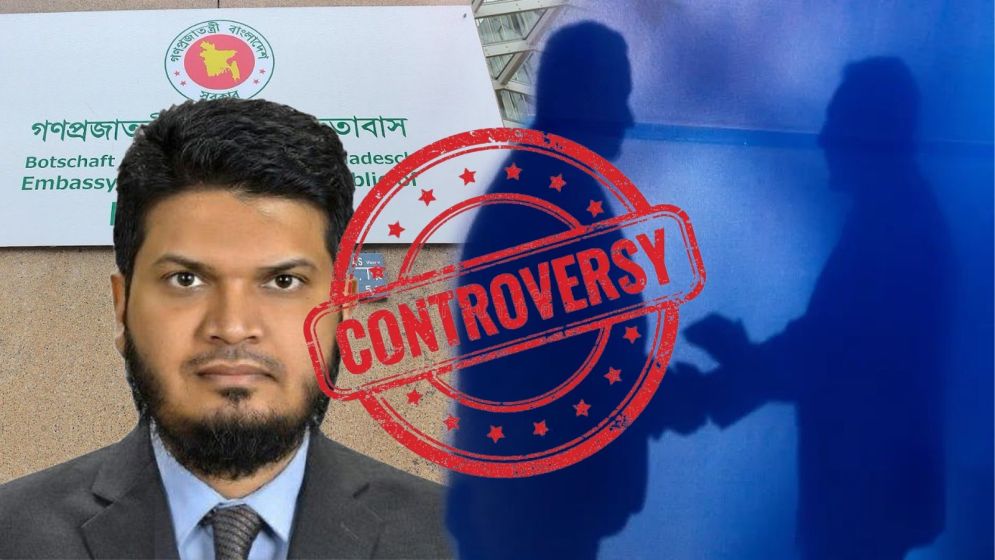
Fourteen months after the Ministry of Foreign Affairs in Dhaka formally ordered his transfer, a Bangladeshi diplomat accused of defying official directives and mishandling public funds continues to serve at the Bangladesh Embassy in Berlin.
Diplomats and observers say his continued presence despite a clear transfer order reflects serious failures of internal oversight and raises uncomfortable questions about political influence and patronage within Bangladesh’s foreign service.
The official is Tanvir Kabir, currently designated as Counsellor (Project) at the Bangladesh Embassy in Berlin. Kabir has been posted in Germany since October 2021, exceeding the standard three-year tenure prescribed under ministry rules.
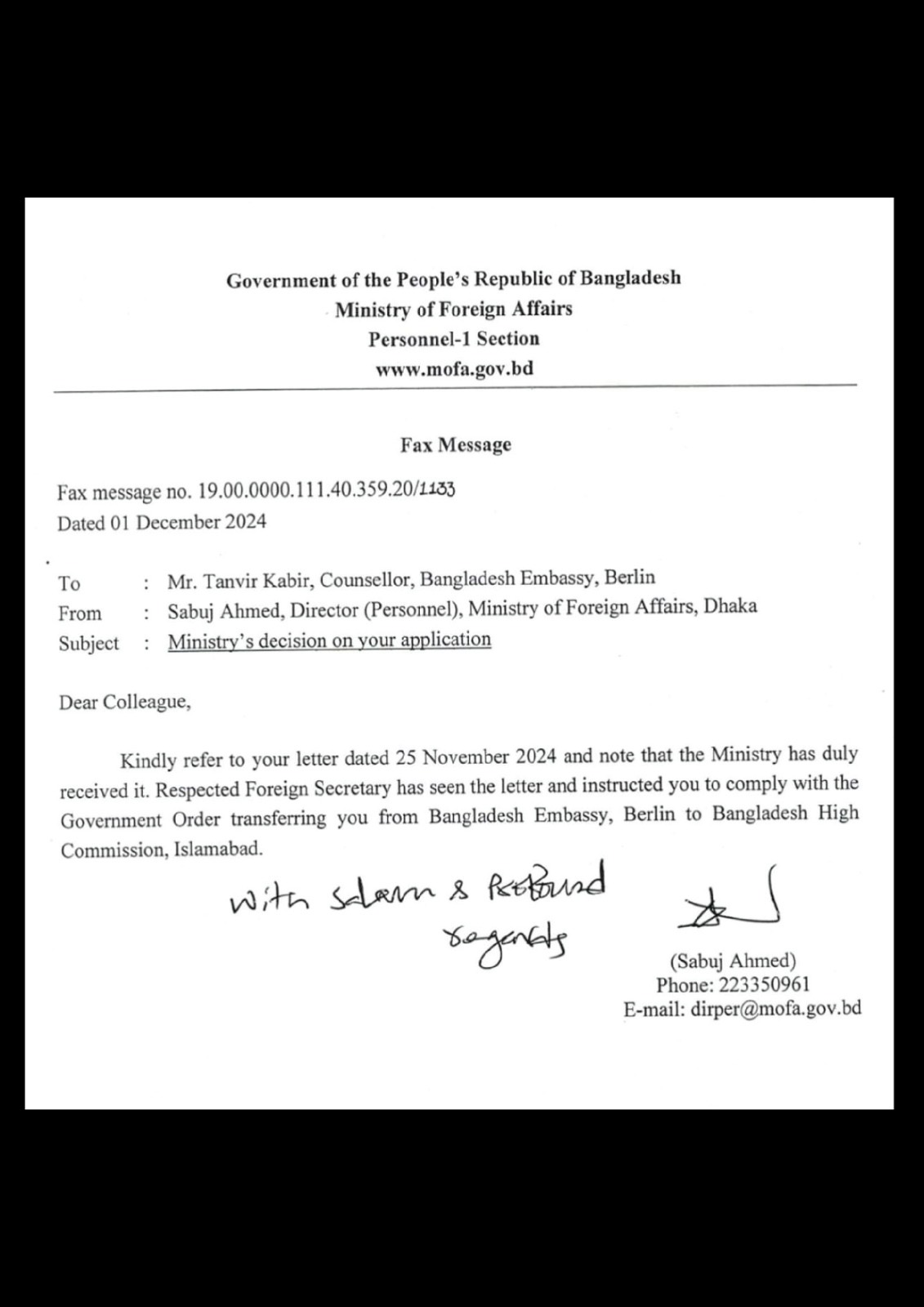
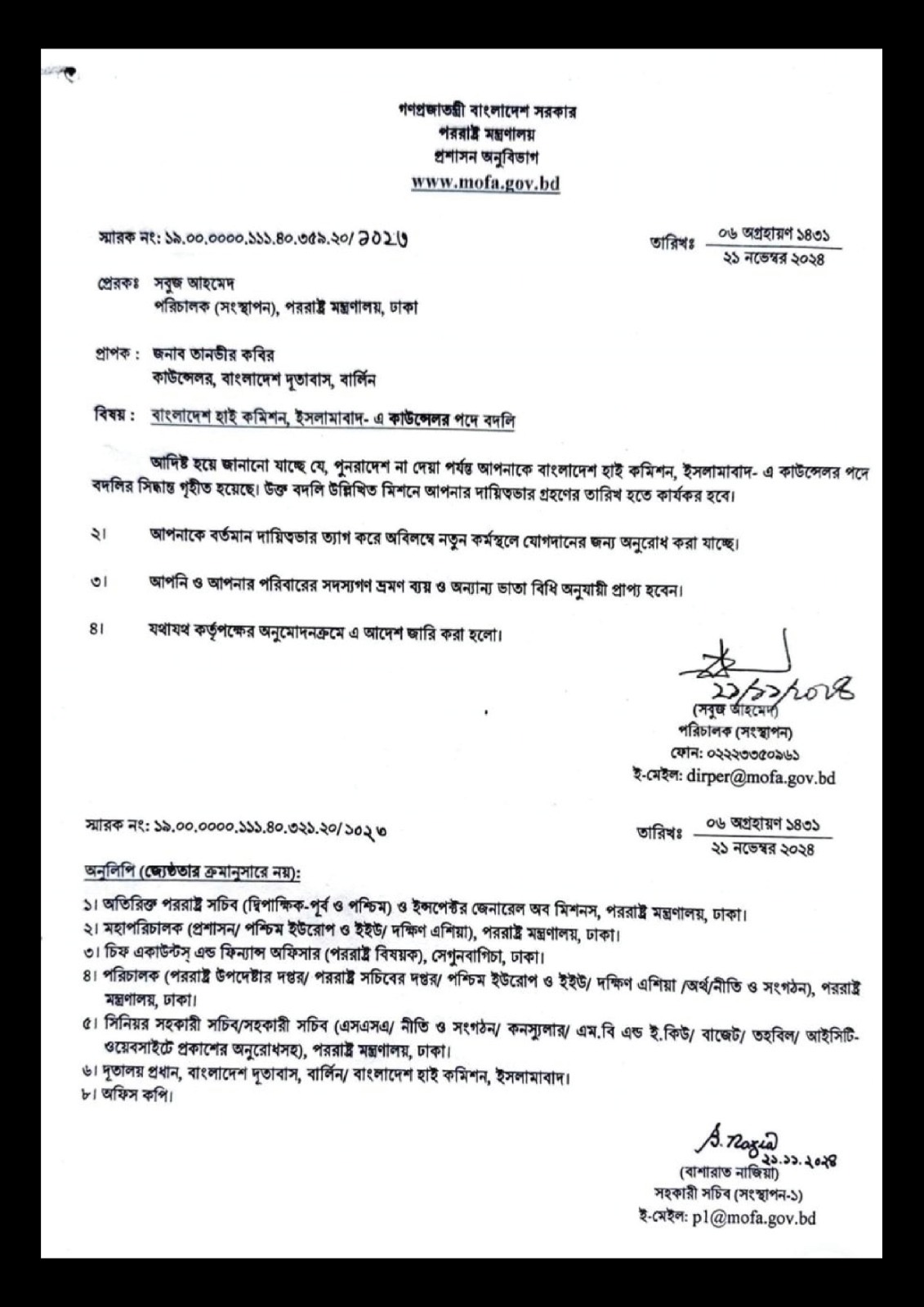
His term ended in September 2024, yet he remains in Berlin despite a written transfer order issued on November 21 of that year directing him to report to the Bangladesh mission in Islamabad.
A follow-up memorandum on December 1 reiterated the instruction and asked him to join his new posting immediately. According to ministry officials familiar with the file, his subsequent application to stay on in Berlin—citing the need to supervise construction of the embassy’s own chancery building—was explicitly rejected by the then foreign secretary.
No public explanation has been offered for why those orders have not been enforced.
The matter gained added urgency after Kabir was handed additional responsibility as acting head of mission in March 2025, following the transfer of the then ambassador to a Middle Eastern posting.
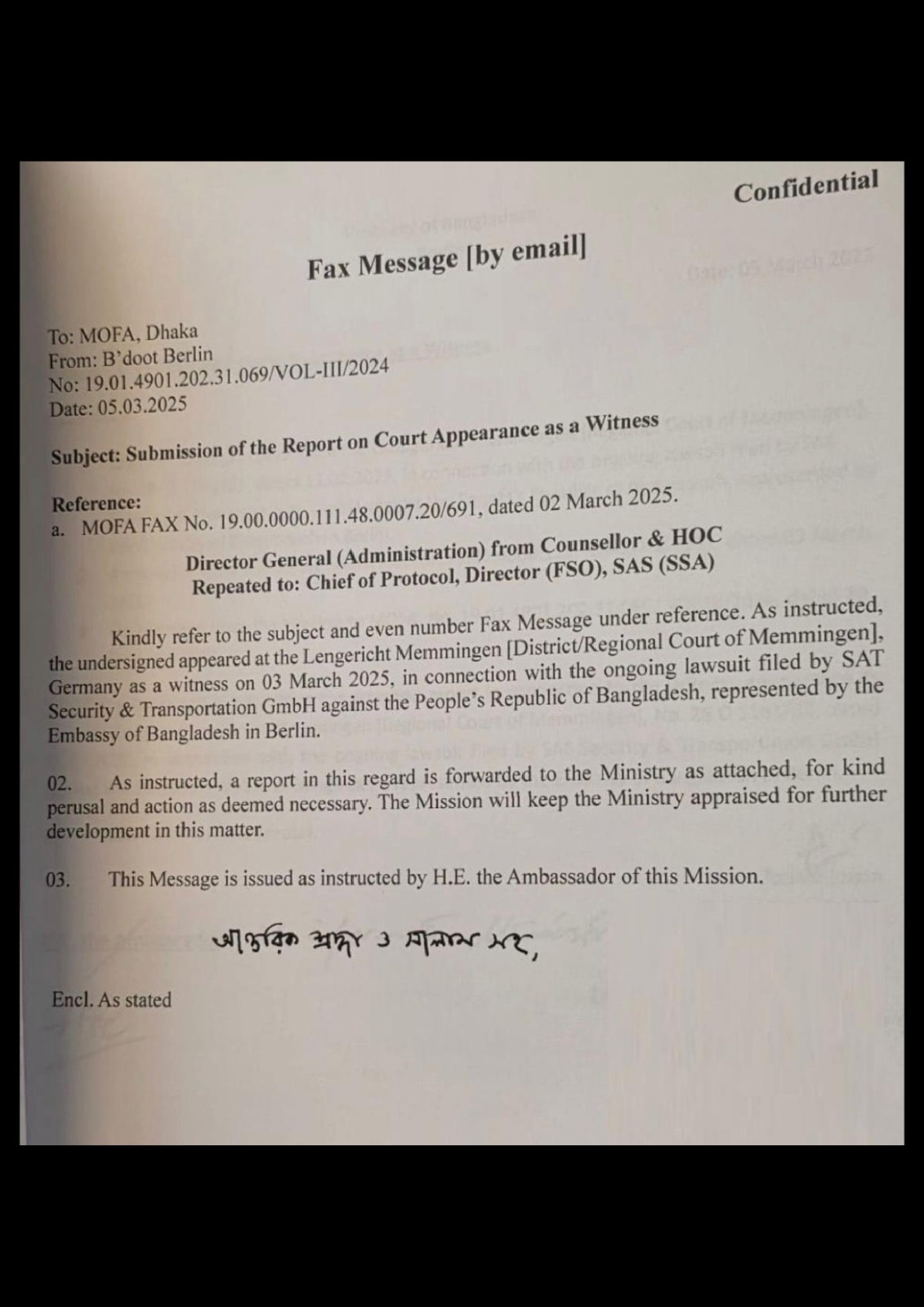
Multiple diplomatic and community sources say that complaints of arbitrary decision-making and administrative indiscipline intensified after that point.
Several officials privately described a mission operating without clear adherence to established financial and procedural rules, even as Dhaka appeared unwilling or unable to intervene.
Behind Kabir’s continued presence in Berlin, sources allege, lies a web of political patronage. He is said to enjoy the backing of a senior ministry official known to be ideologically aligned with an Islamic political party, a figure associated with that party’s expatriate wing in Germany, and the current ambassador in Berlin.
While none of these claims have been officially addressed, career diplomats warn that the perception of political protection alone can be corrosive in a service meant to operate on discipline and hierarchy.
Financial controversies have been among the most damaging aspects of the case. In 2022, the embassy was preparing for an official visit to Germany by then president Md. Abdul Hamid when the trip was abruptly postponed because of illness in his family.
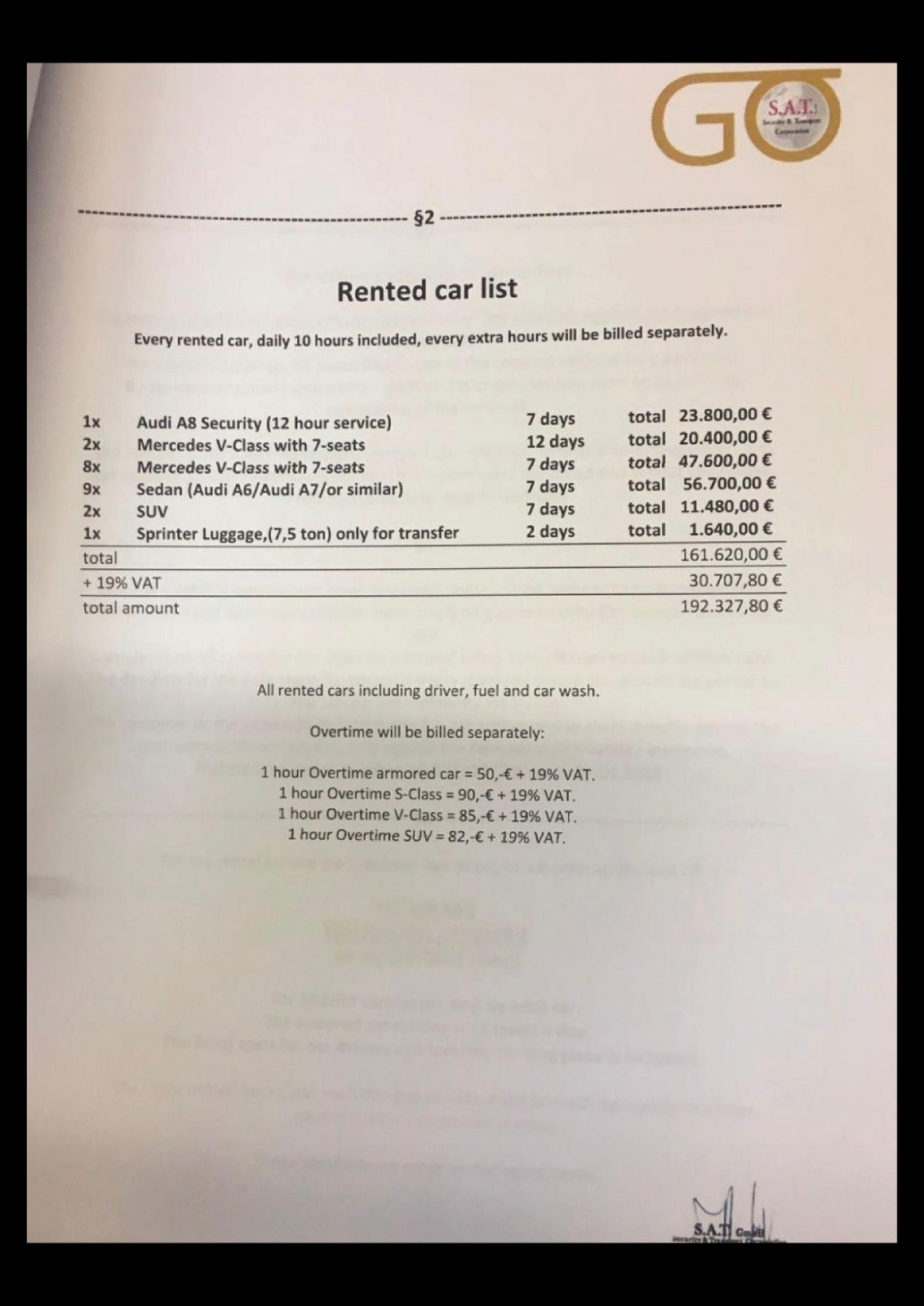
Ahead of the visit, the mission had contracted 23 vehicles from a local company and paid half of the agreed amount as an advance. When the visit was rescheduled, the company demanded the remaining payment, citing the original contract.
The embassy refused, triggering a lawsuit in a German court.
Court records and accounts from individuals familiar with the proceedings show that the company prevailed both at trial and on appeal. The court granted a final window of one month to seek a higher appeal.
According to documents reviewed by Bangla Outlook, the embassy’s lawyer advised filing that appeal and notified Kabir by email, but received no response for weeks. The deadline, September 26, 2025, passed with no action until a last-minute phone call prompted the ambassador to contact Dhaka.
Instead of pursuing further legal remedy, the matter was reportedly placed before the ministry as a request to approve payment of the outstanding amount along with interest and legal costs.
The cumulative financial impact has been estimated at roughly €310,000, a sum diplomats say could have been reduced had the case been handled competently.
Further questions surround Kabir’s role in the litigation itself. Ministry officials say he initially lodged an appeal against the lower court ruling without securing prior approval from either the ambassador or Dhaka, prompting an oral demand for explanation once the ministry became aware.
He later withdrew the appeal under pressure. Because court fees and deposits in such cases are not refunded even if proceedings are abandoned, officials say it remains unclear under what authority those funds were committed and how they were ultimately accounted for.
Inside the mission, staff describe what they say is a pattern of financial practices that depart from government rules. Embassy expenses that were traditionally settled through bank transfers, with full documentation, have allegedly been shifted to extensive use of the mission’s debit card.
The card, which was previously reserved for limited working capital needs or urgent payments where transfers were not feasible, has reportedly been used for routine expenditures and frequent cash withdrawals from ATMs of other banks, generating service charges for which there is no specific budget allocation.
Accounting staff say they have struggled to reconcile these transactions, raising concerns about transparency and audit compliance.
There are also allegations that expenditures were incurred without prior approval and later regularized by obtaining signatures retroactively. In procurement for officials and staff, entitlement rules were allegedly ignored.
In the embassy building project that Kabir cited as justification for remaining in Berlin, officials familiar with the file say missed payment deadlines led to penalties imposed on the government, and they predict that any independent audit would produce a long list of objections.
Diplomatic conduct has become another flashpoint. Sources within the mission say the German Federal Foreign Office has expressed irritation over missed or delayed appointments and the dispatch of what are described as unnecessary or improperly framed notes verbales.
Complaints have reportedly been lodged by locally recruited staff about Kabir’s behavior. Diplomats warn that while Germany is unlikely to escalate such issues publicly, sustained friction can quietly erode goodwill and cooperation.
As scrutiny has intensified, Kabir’s earlier postings have come under renewed examination. A former colleague recalls that during his first month in Jeddah in 2013, Kabir was involved in misconduct and a physical altercation with an officer from Bangladesh’s National Security Intelligence, after which he was sent back to Dhaka.
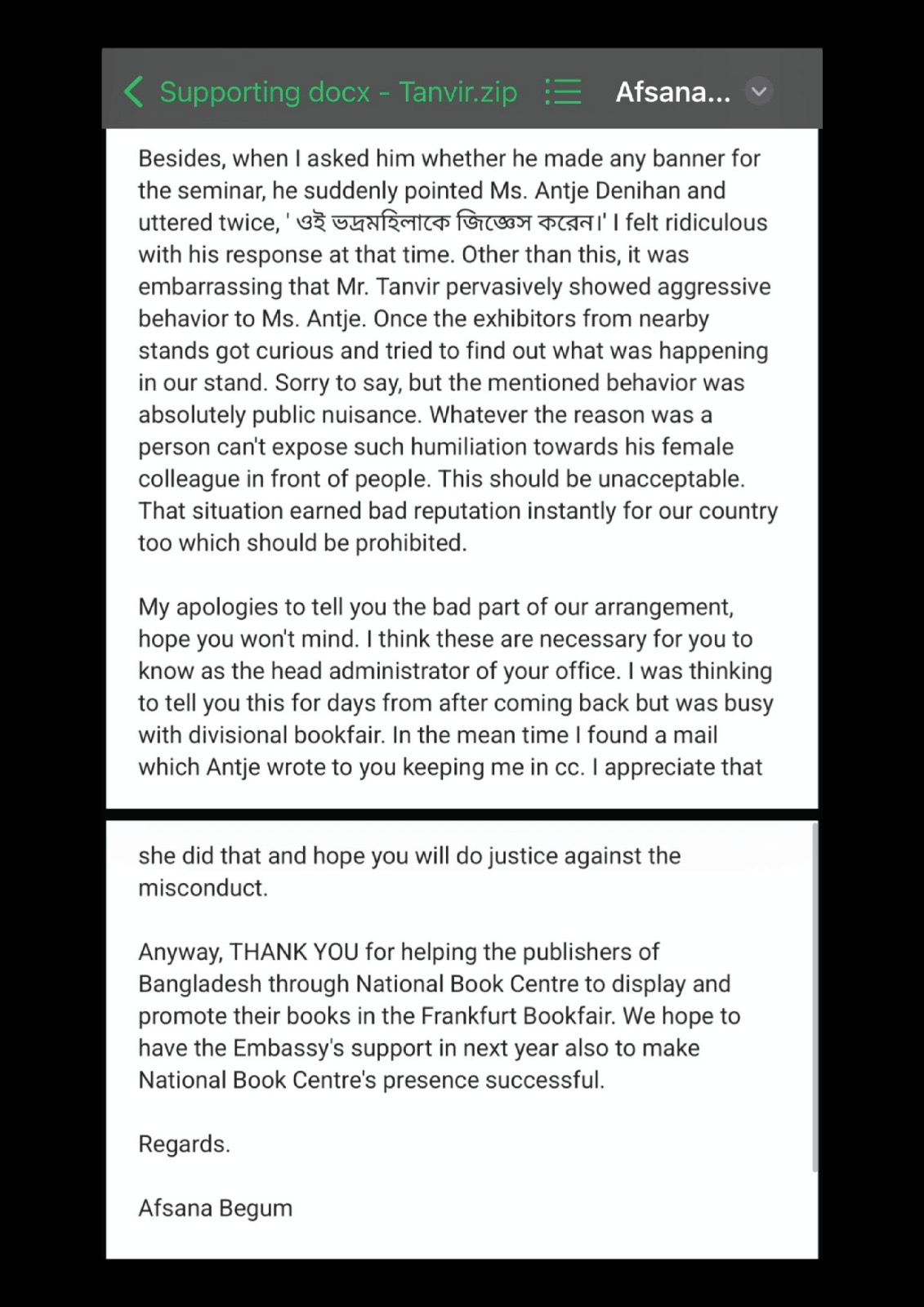
The incident was reported in national newspapers at the time. In 2017, while posted in Mexico, he was again repatriated following complaints from then ambassador Supradip Chakma alleging violations of government regulations and mistreatment of colleagues and expatriates.
Political sensitivities have further complicated the picture. Kabir was appointed to Berlin in 2021 under the previous government, reportedly at the personal request of then ambassador Mosharraf Hossain Bhuiyan.
Critics say he later cultivated close ties with the expatriate wing of a major Islamic political party in Germany and maintained links with an Islamic NGO, raising questions about whether such associations are compatible with the political neutrality expected of a career diplomat.
Those concerns spilled into public view in April 2025, when Kabir allegedly forced Ekushey Padak–winning poet and journalist Najmun Nesa Piyari to leave an Independence Day event at the embassy mid-program.
Witnesses described the episode as humiliating, and cultural figures privately questioned how such conduct could occur at a national celebration hosted by a diplomatic mission.
Internal staff relations have also deteriorated. Multiple sources allege that Kabir encouraged divisions between home-based and locally recruited employees, adopting what one staff member described as a “divide and rule” approach.
Complaints from staff, they say, have gone unresolved, deepening resentment within the mission.
The controversy has widened further with the emergence of visa overstay cases involving individuals linked to the embassy.
On February 18, 2026, Kabir, signing as Counsellor and Head of Chancery, issued a formal letter acknowledging that Mrs. Jaya Mondol and her dependent child had overstayed their German visas due to what the letter described as unforeseen humanitarian circumstances, namely the serious illness of Mrs. Mondol’s husband.
The embassy apologized and requested cooperation from German authorities to facilitate their departure, noting that an embassy employee would accompany them.
According to sources familiar with the aftermath, German border police did not treat the matter as routine. A formal complaint was reportedly lodged, and a criminal offense registered in connection with the overstay, reflecting growing sensitivity among local authorities to repeated visa violations involving embassy-associated individuals.
Under German law, such overstays can carry administrative penalties, criminal registration and long-term entry restrictions, and diplomats say host authorities are wary when embassy letters are used to explain or mitigate violations after the fact.
Expatriate community members allege that the case is part of a broader pattern in which individuals arrive under temporary arrangements and then decline to return. One example frequently cited is that of Rehana Begum, who allegedly remained in Germany after retirement and filed an asylum claim.
While asylum is an individual legal right, officials say German administrators become concerned when such cases appear linked to embassy networks.
Taken together, diplomats warn, these incidents risk undermining the institutional credibility of Bangladesh’s mission in Germany. The unresolved transfer order, the accumulation of financial disputes and the growing unease among host authorities have prompted quiet questions in Dhaka about how long the situation can persist.
Tanvir Kabir was contacted by Bangla Outlook and informed in detail of the allegations against him. He denied any wrongdoing, claiming that a vested group was acting with malicious intent to discredit him.
He did not, however, offer any specific or substantive rebuttal to the allegations raised.
—