

Rising power bills: Can Bangladesh fix its power sector without straining consumers?

Abu Jakir
Publish: 06 May 2024, 06:18 PM
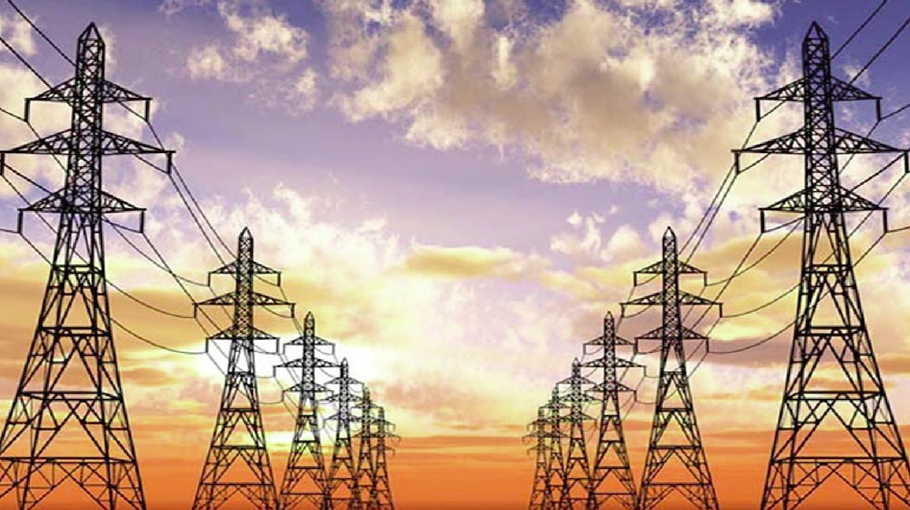
Electricity bills are expected to see further increases throughout this year and into the next, according to the government's plan to gradually remove subsidies on the energy sector. This move comes as a condition for a $4.7 billion loan from the International Monetary Fund (IMF).
In March, the government had raised electricity prices through an administrative order, circumventing standard regulatory procedures. The bulk electricity price was increased by 5% while the retail electricity was increased by 3%.
The Bangladesh Power Development Board's (BPDB) annual report for fiscal year 2022-23 sheds light on the rationale behind the price increase.
The report highlights a significant discrepancy between production costs and selling prices. BPDB reportedly incurs a loss of Tk 4.63 per unit of electricity sold, with a production cost of Tk 11.33 per unit compared to a selling price of Tk 6.7 per unit.
This imbalance has resulted in substantial losses for BPDB, reaching Tk 47,788 crore in the last fiscal year. The report suggests that these losses stem from the high cost of purchasing electricity from private and international sources.
This latest hike in March however is only the beginning, with three more price adjustments anticipated in 2024. This news obviously comes as a blow to many Bangladeshis, particularly those on fixed incomes.
Consumers are already grappling with rising inflation, which reached 9.81% in March. With stagnant wages, many households will struggle to bear the increased cost of electricity.
The Bangladesh Bureau of Statistics has yet to release April's inflation data. However, experts predict that the power ministry's plans will likely push prices up further in the coming months, adding to the financial strain on Bangladeshi families.
Rising tariff will be a “band-aid” solution
While the government contemplates raising electricity prices primarily to reduce subsidies, energy experts are urging a more comprehensive approach. They caution that relying solely on tariff hikes may provide only temporary relief and fail to address the underlying issues plaguing Bangladesh's power sector.
Energy advisor of Consumer Association of Bangladesh (CAB), SM Shamsul Alam told Bangla Outlook rising power tariffs will be a “band-aid” solution to a very serious problem that strains our public money and resources. He criticizes "uncontrolled, unfair costs" within the power sector, citing examples like high salaries for state-owned company boards and unfavorable power purchase agreements.
These issues, according to Prof Alam, necessitate addressing “financial mismanagement before placing the burden on consumers through higher electricity bills.”
He also said that tackling the high costs associated with capacity charges and fostering a competitive electricity market are crucial steps for ensuring the sector's long-term sustainability.
BPDB’s annual report paints a concerning picture of the country's power sector finances. The report highlights a growing dependence on expensive electricity purchased from private power producers, putting immense strain on BPDB's budget and prompting calls for a price hike.
According to the report, BPDB spends a staggering Tk 82,778 crore annually on electricity purchased from private companies, whereas its own power generation capacity only contributes Tk 13,307 crore. This heavy reliance on private producers comes at a significant cost – the average per unit cost of electricity from private sources (Tk 14.62) is nearly double the cost of generating power from BPDB's own plants (Tk 7.63).
The report further details the varying costs of electricity generation across different sources. Public plants offer the most cost-effective generation at Tk 6.85 per unit, followed by imported power from India at Tk 8.77. Rental power plants fall in the middle at Tk 12.53 per unit.
Analysts point to the government's high cost of capacity charges to private power producers and difficulties in boosting revenue collection as the root cause of the planned power price hikes which would severely burden the common consumers.
Golam Rahman, president of CAB, severely criticized the government for creating excess power generation capacity. This overcapacity, according to Rahman, has led to higher production costs due to capacity charges paid to idle power plants. He identified this as a major contributor to the high subsidies needed for electricity production.
"The IMF should be focusing on these areas," Rahman argued. "They should be urging the government to reduce unnecessary spending and ensure transparency in the sector, rather than advocating for price hikes that unfairly burden consumers."
Will the price hikes backfire?
A recent seminar hosted by the Centre for Policy Dialogue (CPD) featured a study by economist and Research Director Khondaker Golam Moazzem. His research revealed a significant difference in policy stances between the ruling Awami League and other political parties regarding Bangladesh's power sector.
Moazzem's study found that all opposition parties advocate for eliminating capacity payments, a system that burdens the government with fixed costs regardless of electricity usage. He pointed out that the Awami League's pre-election manifesto, released before the January 7th national election, lacked any mention of addressing the issue of excess power generation capacity.
Furthermore, Moazzem urged the immediate closure of expensive rental power plants as a means to reduce the overall cost of electricity generation in Bangladesh. “The price of electricity can in fact be reduced if proper measures are taken. I don’t see the point of price increases to offset the government's inappropriate spending,” said Moazzem.
“This repeated power price increase would ultimately backfire in many ways,” energy expert Dr Ijaz Hossain opines, “Businesses, already battling against rising costs and foreign competition, fear further erosion of their profit margins. This could stifle investment and hinder economic growth.
Furthermore, higher electricity bills are likely to eat into household disposable income, Dr Ijaz said, adding that with consumers spending less, businesses could face a drop in sales, exacerbating the challenges they face.
“The combined effect of these factors could significantly worsen the economic climate in Bangladesh, potentially hindering overall growth,” he added.