


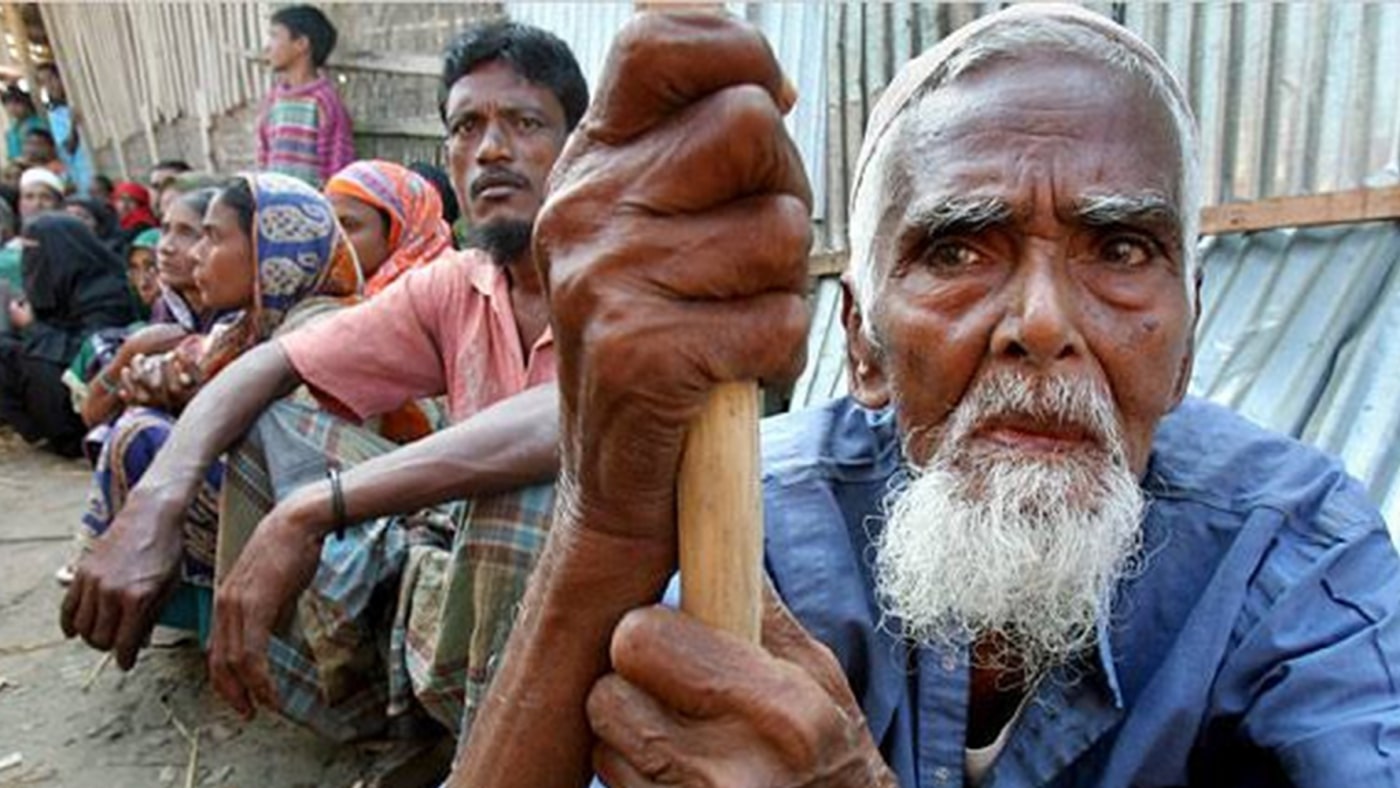
People in Bangladesh who were pushed into poverty by the Covid-19 pandemic are struggling to climb back out due to the financial strains caused by the war in Ukraine, Russia, and high inflation, according to a recent study.
These "new poor," as they are called, are especially vulnerable to falling deeper into financial hardship. This is because they often lack strong connections with employers, access to loans, and participation in social safety net programs.
The study's findings were presented in a paper titled 'Being New Poor in Bangladesh: Coping Strategies, Constraints, and Trajectories'. The paper was part of a session at the 'First Development Studies International Conference-DSIC 2024' held on Monday at the Pan Pacific Sonargaon Dhaka.
The study was conducted by a group of researchers comprising officials of the Institute of Development Studies and the BRAC Institute of Governance and Development (BIGD).
"These new poor face a multitude of challenges," explained Jahid Nur, a BIGD research associate, presenting the paper titled 'Being New Poor in Bangladesh: Coping Strategies, Constraints, and Trajectories'. "These include depleted assets, debt burdens, health issues, and a lack of trust or support from the government."
Nur further elaborated on the coping strategies employed by these households. "Financial management, alternative income generation, cost-cutting measures, and attempts to access social safety nets were the primary tactics used," he said. Interestingly, the study found that intermediaries played a crucial role in helping them connect with these safety net programs.
The research paints a bleak picture for the new poor. Not only were they unable to recover from the pandemic's blows, but the war in Ukraine and rising inflation have compounded their struggles. "There's a critical absence of systematic government support to aid their financial recovery," Nur emphasized.
This study highlights the urgent need for targeted interventions to help Bangladesh's new poor climb out of poverty. Addressing their challenges – asset depletion, debt, health concerns, and lack of government support – will be crucial in ensuring their long-term well-being.
Nur went on to describe the frustrations encountered by the new poor when seeking state assistance. "When they approached the state to get support, they were told they are not so poor," he said.
"They were also told that there are many other people who are poorer than them (new poor) and so the state support is mostly for the ultra-poor." This reinforces the perception of a system that may not be adequately identifying or addressing the needs of this specific group.
This study highlights the urgent need for targeted interventions to help Bangladesh's new poor climb out of poverty. Addressing their challenges – asset depletion, debt, health concerns, and lack of government support – will be crucial in ensuring their long-term well-being.
The research also suggests a need to re-evaluate how social safety net programs are accessed and distributed to ensure they reach those who need them most.