

Remembering a visionary: President Zia's 43rd death anniversary today

Staff Reporter
Publish: 30 May 2024, 06:48 AM
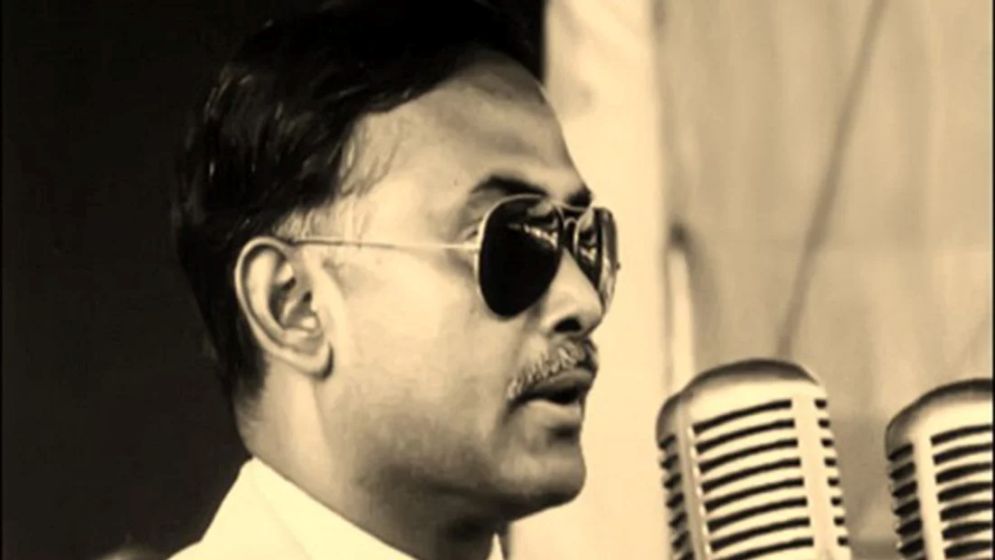
Today Bangladesh marks the 43rd death anniversary of Ziaur Rahman, the country's sixth president and founder of the Bangladesh Nationalist Party (BNP). This day serves as a somber reminder of the life and contributions of a leader who left an enduring mark on the nation's history.
Ziaur Rahman, often referred to as Shaheed (martyr) Zia, rose to prominence as a military officer during the Liberation War in 1971. His leadership and bravery on the battlefield earned him the respect and admiration of his fellow countrymen. After the war, Zia entered politics and eventually became the president of Bangladesh in 1977.
During his presidency, Zia initiated several significant reforms aimed at stabilizing the country's economy and improving the lives of its citizens. He introduced market-oriented policies, encouraged foreign investment, and prioritized agricultural development. Zia also played a crucial role in establishing Bangladesh's first multi-party democracy, paving the way for a more inclusive political system.
Under Zia's leadership, the nation moved away from the excesses of the previous regime, characterized by unrestrained corruption, cronyism, and economic mismanagement under the guise of socialism. The dominance of the Sheikh family and its affiliated organizations diminished, leading to a more equitable distribution of power. Additionally, the overt promotion of Indian and Hindu culture at the expense of Islamic values was curtailed.
Zia's foreign policy marked a significant departure from the past, fostering closer ties with the US, the West, the Muslim World, and China, both diplomatically and economically. This shift opened new avenues for trade and investment, contributing to the nation's economic growth.
Domestically, Zia implemented pro-business policies, encouraging private investment and initiating the de-nationalization of industries and financial institutions. Despite challenges such as increased aid flows and higher money supply, Zia managed to maintain low inflation and achieve a respectable annual GDP growth rate of approximately six percent. His emphasis on agricultural development, particularly the "grow-more-food" campaign, also yielded positive results, bolstering the nation's food security.
Overall, Zia's tenure as president marked a turning point in Bangladesh's history, steering the country towards a more open, diversified, and economically stable future. His policies and initiatives left a lasting impact on the nation's development trajectory, shaping the Bangladesh we know today.
However, Zia's presidency was not without its challenges. He faced opposition from various political factions and had to grapple with numerous socio-economic issues. Despite these obstacles, Zia remained committed to his vision of a prosperous and democratic Bangladesh.
Tragically, Zia's life was cut short on May 30, 1981, when he was assassinated in Chittagong. His death sent shockwaves across the nation and plunged the country into mourning. Zia's assassination remains a controversial topic in Bangladesh politics, with different interpretations and narratives surrounding the events of that fateful day.
Despite his untimely demise, Ziaur Rahman's legacy continues to resonate in Bangladesh. He is remembered as a charismatic leader, a champion of democracy, and a visionary reformer. Zia's contributions to the country's development, particularly in the areas of agriculture, education, and infrastructure, are still acknowledged and appreciated by many.
On Zia’s death anniversary, his elder son and the senior vice chairman Tarique Rahman said Ziaur Rahman’s assassination was an attempt to “quash the ideals of the liberation war by eliminating the proclaimer of Bangladesh’s independence, who also led the war as a decorated sector commander and valiant freedom fighter.”
He said President Zia’s politics and policies embraced economic liberalization and industrial growth, establishing the garment and manpower export sectors, and fostering agricultural and infrastructural revolutions.
“Even after 43 years, his developmental vision, democratic essence, and nationalist ideology remain steadfast, setting the roadmap for an inclusive and progressive Bangladesh, where pro-democracy people aspire for equality, dignity, and justice,” he said.
“As a proud son and as a passionate activist of
Bangladesh Nationalist Party-BNP, I draw inspiration from my father’s legacy,
which unifies our nation in reclaiming the spirit of independence and striving
for a democratic future for all Bangladeshis,” he added.