

World Refugee Day
Refugee stories of resilience and success: From Palestine to South Sudan
Faisal Mahmud
Publish: 20 Jun 2024, 03:56 PM
In an era marked by escalating conflicts and climate change, the number of displaced people worldwide has reached unprecedented levels.
The UNHCR estimates that over 100 million individuals have been forcibly displaced globally, with the majority seeking refuge in neighboring countries or languishing in overcrowded camps.
Bangladesh has a deep-rooted history with the refugee crisis. During its own liberation war in 1971, over 20 million Bangladeshis were displaced and sought refuge in neighboring India for nine months.
Today, Bangladesh finds itself providing shelter to over a million Rohingya refugees who escaped pogrom in Myanmar. These refugees now reside in sprawling settlements in the southern part of the country, forming what is considered the world's largest refugee camp.
Refugee life is characterized by a pervasive sense of uncertainty and insecurity. Amidst the headlines and statistics, the true hardships endured by refugees often remain unseen.
They are forced to live in overcrowded camps with limited access to basic necessities like food, water, and sanitation. The constant threat of violence, exploitation, and discrimination further exacerbates their vulnerability.
Behind these grim lives of subsistence and survival, often lie stories of resilience and success. These stories transcend geographical boundaries and cultural differences, inspiring others with their determination and strength.
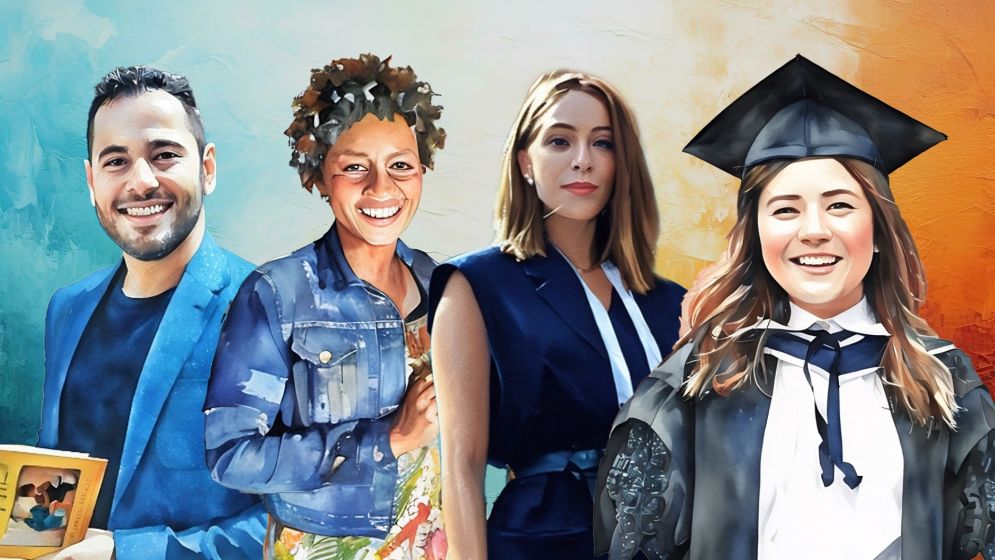
On the occasion of the World Refugee Day, Bangla Outlook interviewed four extraordinary individuals who, despite the hardships of camp life, have cultivated success through their unwavering dedication and perseverance.
Hamed Amiri, Afghanistan
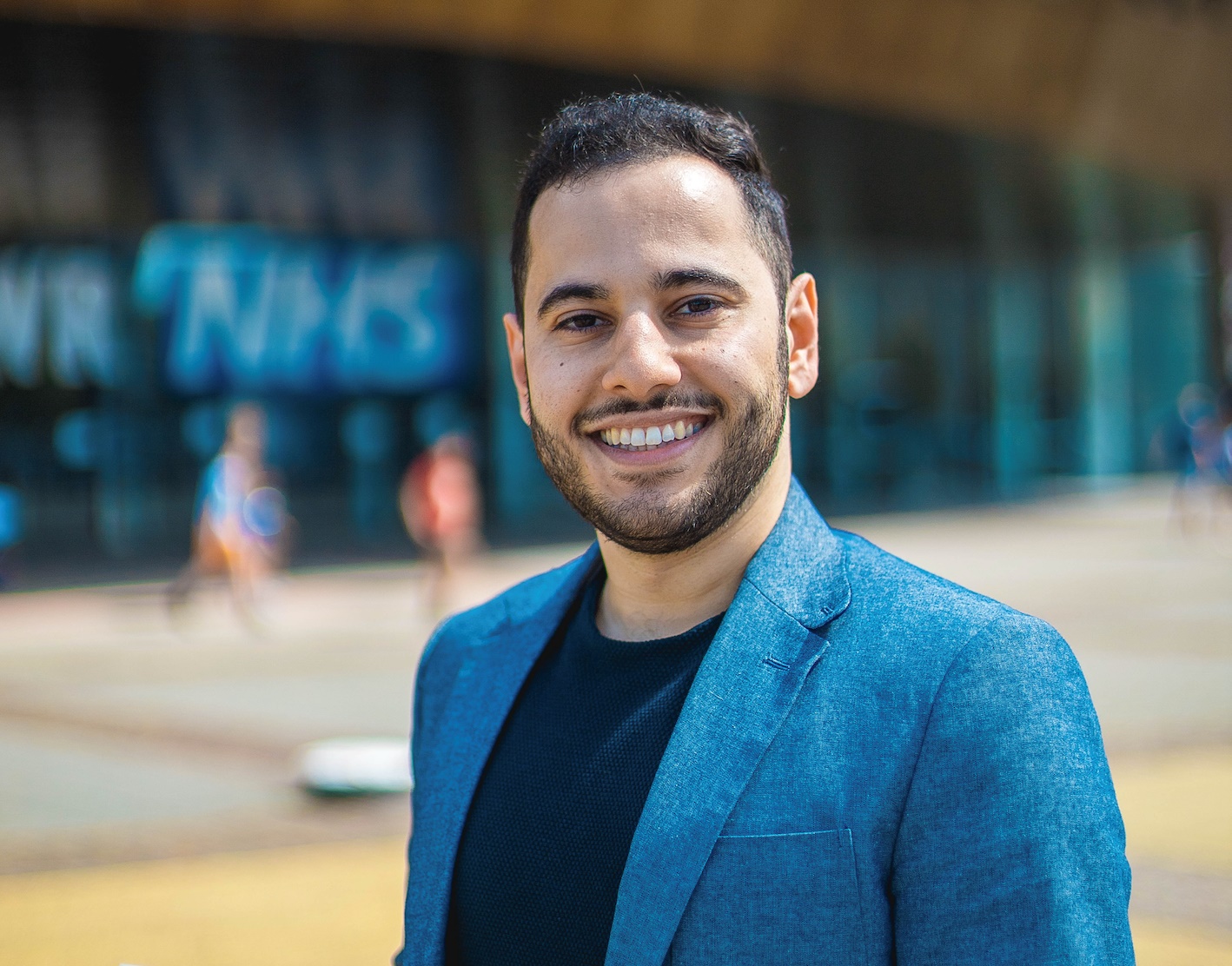
At just ten years old, Hamed witnessed the harrowing moment his mother was targeted for execution by the Taliban, after courageously advocating for women's rights in their Afghan hometown of Herat.
Under the cover of darkness, the family embarked on a perilous escape, clutching their most valuable possessions back in 2002.
However, their lives weren't the only ones at stake. Hamed's older brother, Hussein, suffered from a rare heart condition, and this desperate flight offered a glimmer of hope for life-saving treatment in the West.
“It took us 18 months of perilous journey to reach the UK,” Hamed told Bangla Outlook, “It reminds me how lucky we were as so many weren't but also how things have changed in the current times with journeys being so much harder.”
Hamed said embarking on their journey to the foreign land meant sacrificing everything they owned and cherished.
“We left behind family, home, memories, even our sense of self. All we had left was each other. My brothers and I made a pact to face whatever challenges came our way, to protect each other and our parents, shielding them from worry,” said Hamed, “Our unwavering faith in a brighter future sustained us through it all.”
The 32-year old Hamed said the initial years in the UK were the most difficult, as he felt isolated and alone in his struggle.
“It was as if I had been uprooted from my home, separated from everything familiar, and dropped into a foreign environment where I couldn't even communicate,” he said.
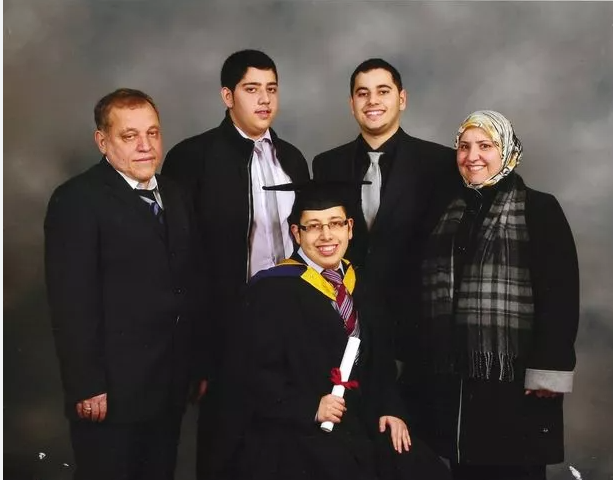
However, unbeknownst to him at the time, this experience shaped Hamed’s personal mission to share his story with the world. He wanted to demonstrate that their struggles, as human beings, were not their weaknesses but rather sources of strength.
“When individuals endure hardship, navigate the unknown, and leave behind their comfort zones, they unknowingly cultivate resilience. Aspiration isn't defined by societal expectations, but by the unwavering belief in oneself,” said Hamed.
Hamed’s brother's passing in 2018 however plunged him into a deep despair– he felt adrift without him. Reflecting on his vibrant life and unwavering optimism, Hamed realized how he could honor his brother’s memory–by writing a book.
Hamed's poignant novel, "The Boy with Two Hearts," now a critically acclaimed bestseller lauded by publications like The Guardian, chronicles his family's journey as refugees in the UK.
It also serves as a heartfelt homage to the UK's National Health Service, which provided crucial solace and medical care as they sought refuge and fought for their lives.
Hamed said refugees grapple with numerous challenges, including complex legal processes, barriers to employment, and negative societal perceptions.
“As I have often stated, the term "refugee" was not a label I chose, but one imposed upon me,” he said.
Hamed said, collectively, people can make a difference by raising awareness and advocating for improved policies towards refugees.
“This involves creating more welcoming and inclusive communities, while also implementing a fairer asylum system that prioritizes safe and accessible pathways for those seeking refuge,” he said.
Viola MinAllah, South Sudan
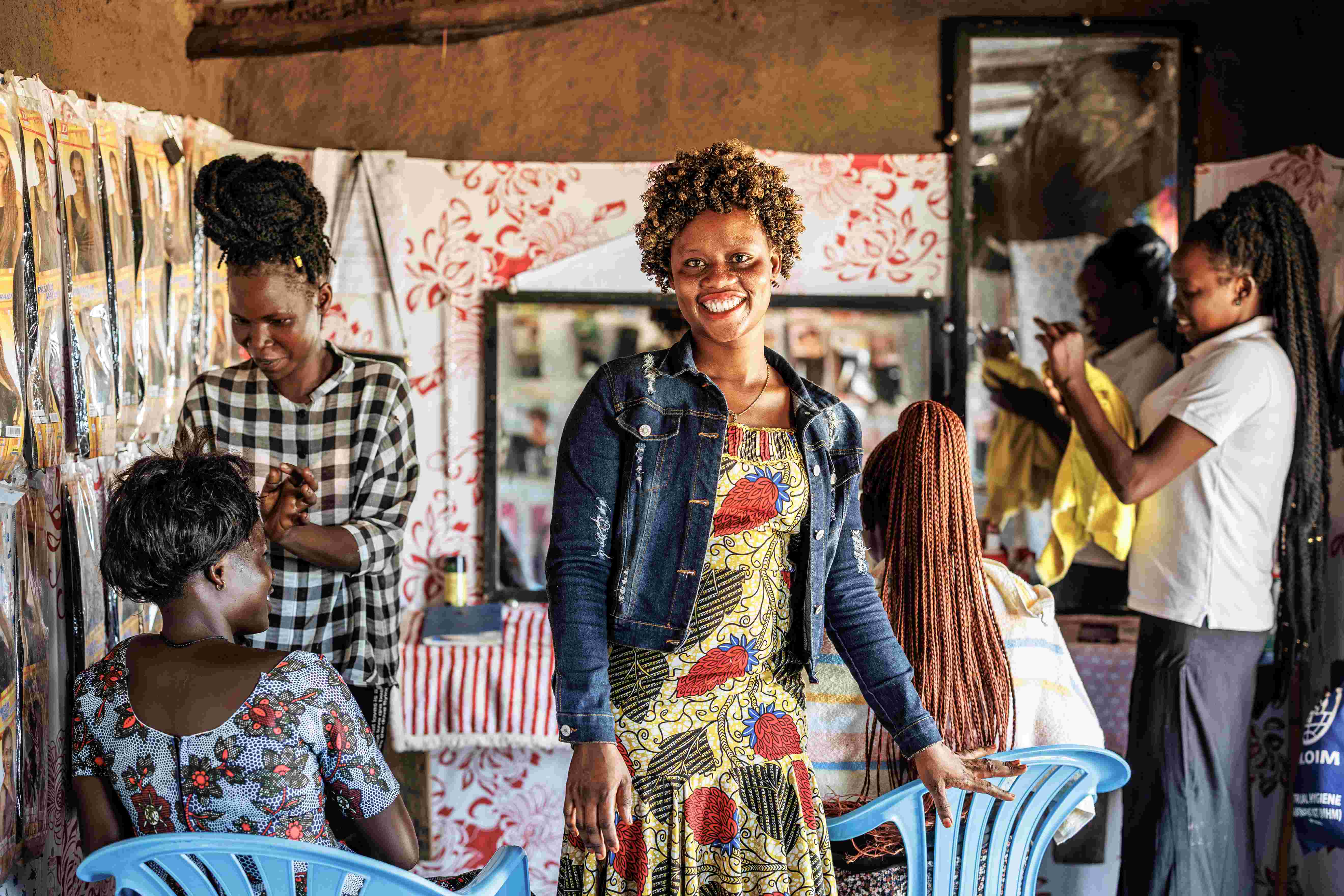
Viola MinAllah’s journey to the Bidi Bidi Refugee Settlement in Uganda from her home country of South Sudan began on October 18, 2016.
The war in South Sudan forced 24-year old Viola, her sister, and her two children nine days of arduous walking to reach neighboring Uganda.
“Our legs swelled, and I had to carry my one-year-old daughter. The journey was made even more difficult by our constant hunger and exhaustion,” Viola told Bangla Outlook.
“We arrived in Uganda with nothing, having been forced to leave all our belongings behind, which was both stressful and emotionally painful.”
In her life as a refugee in the Bidi Bidi camp, the biggest challenge Viola faced was the scarcity of food. While everyone received full rations upon arrival in 2016, food became scarce in the later years.
As the funding dried out, the World Food Programme implemented a three-tiered system to categorize needs in the Bidi Bidi camp.
Category three individuals receive no food assistance, while Category two individuals have their rations reduced from 12kg of maize to 3kg of maize and 1kg of beans. Category one individuals start to receive 6kg of maize and 3kg of beans, said Viola.
Out of desperation, Viola thought of starting her own business inside the camp to earn enough money to buy food for her kids. However, in South Sudan, business wasn't something Viola knew anything about. It was the men in the family who were involved in market trading.
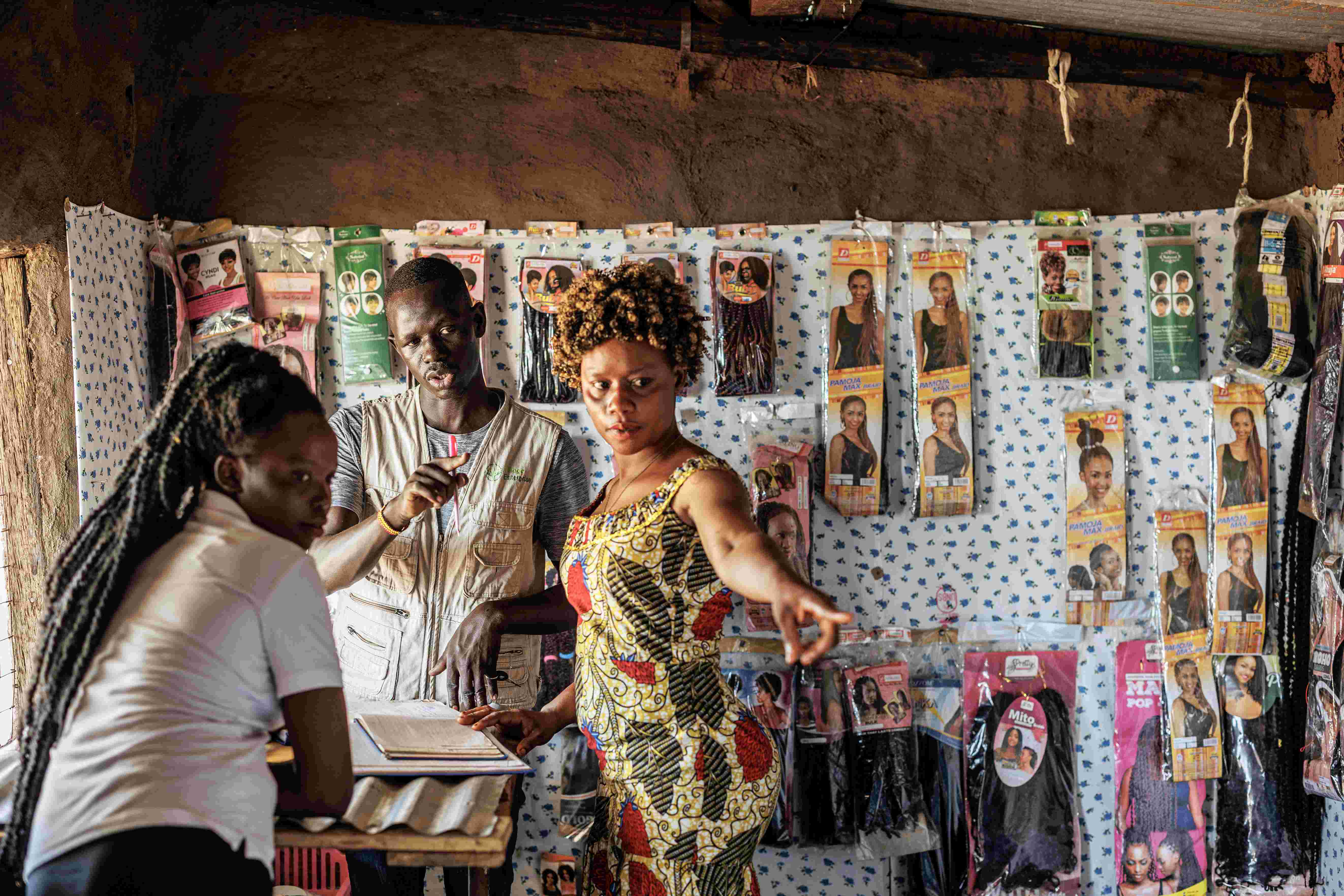
Viola started receiving training on starting business from an NGO called Village Enterprise which arrived in Bidi Bidi in 2022.
“The vocational training and funding I received from them allowed me to open a retail shop, which grew and eventually led to the opening of a salon,” she said.
Viola said she now makes a difference in her community every day through her work at the salon.
“By allowing customers to pay what they can afford, I cater to their limited resources in Bidi Bidi. They choose to spend their hard-earned money with me, and I value that by treating every customer with respect and offering them the hairstyle they desire, regardless of cost,” she said, adding that seeing people leave her salon looking and feeling their best fills her with pride.
“I also can now afford school fees, uniforms for my children, food, clothes, furniture, and even livestock like ducks and goats. It's brought me happiness and a sense of responsibility for something I have built myself,” she said.
Manal Makkieh, Palestine
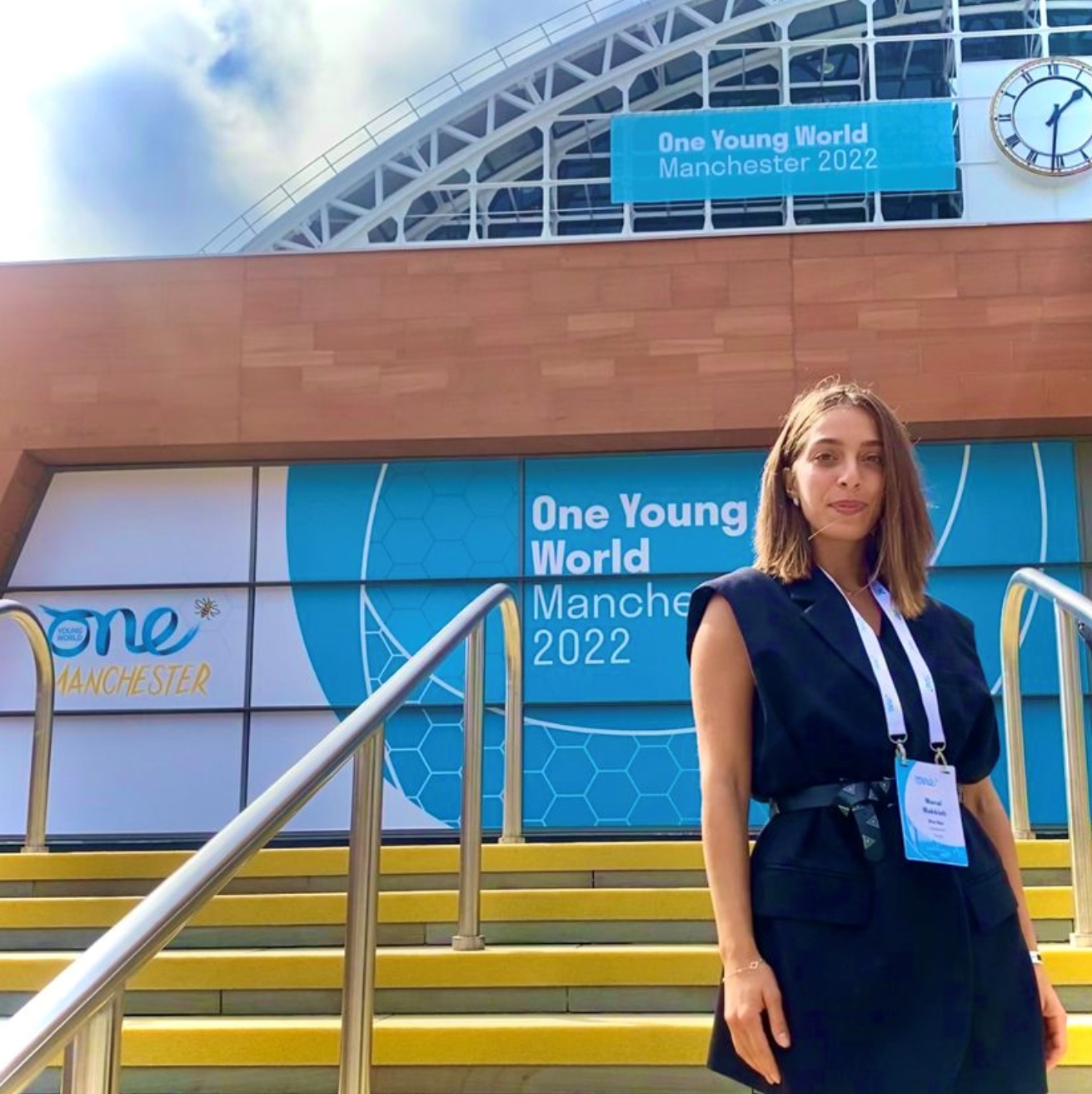
As a Palestinian refugee born in Lebanon's Mar Elias refugee camp, Manal Makkieh sensed something amiss.
Standing on their house's roof inside the camp, she gazed at the Ramle Bayda sea, pondering whether they would ever leave this confined space.
"It never crossed my mind or my family's that we would eventually leave the camp,” said Manal. “I remember sharing stories about our Palestinian identity with my siblings. One painful memory stands out.”
Manal mentioned one of her siblings recounted how a teacher inside the camp school made hurtful remarks, like 'If your family hadn't sold their houses in Palestine, you wouldn't be here' or 'You're a traitor to your country.'
“As children, we couldn't fully understand the impact of these hurtful comments, but we definitely felt alienated,” she said.
Upon entering high school, Manal transferred from a private school to a United Nations Relief and Works Agency for Palestine Refugees in the Near East (UNRWA) school. This shift significantly impacted her worldview, ultimately leading her to pursue a career in social work. In Manal's words, "I felt like I belonged to this community."
However, observing the hardships faced by Palestinian students, including the instability of their education system during political unrest, ignited a desire in Manal to return and contribute to her community.
Inspired by former students who shared their successes abroad, she envisioned myself doing the same, becoming a source of inspiration for others. “This aspiration became my priority upon returning from an exchange program in the US,” said Manal.
Driven by that aspiration, Manal founded the Kayani project–a project to empower Palestinian refugee women, enhance their mental health, and provide them with educational and professional mentorship opportunities.
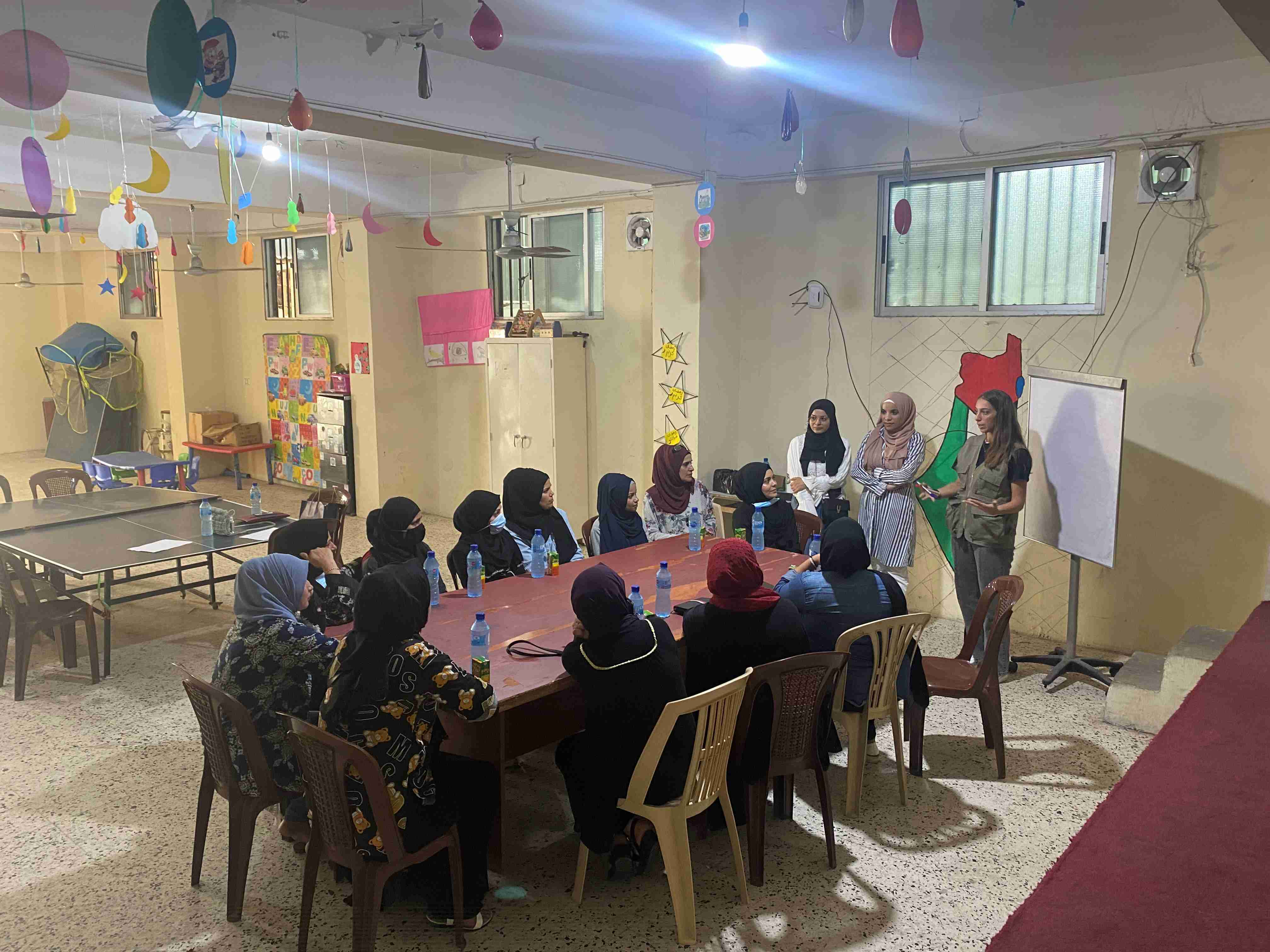
Kayani Project's contributions span across Palestine, Lebanon, and Sweden by addressing the unique challenges faced by refugee communities in these regions.
“In Lebanon, particularly in the Mar Elias camp, we provide mental health services, educational and professional mentorship, and capacity-building workshops,” Manal told Bangla Outlook, “These initiatives not only empower individuals but also foster a sense of community and solidarity.”
Manal said, one particular experience that stands out is the establishment of the first educational and professional mentorship program for young female youth in Mar Elias camp.
“Seeing the young women step outside the camp, connect with the world, and achieve their dreams was profoundly inspiring. It reinforced my belief in the power of education and mentorship to transform lives and uplift communities,” she said.
Besides Lebanon, they also work in Sweden and Palestine, where they raise awareness about the refugee crisis and advocate for policy changes that support refugees.
Manal told Bangla Outlook that one of Kayani's most inspiring stories is that of Fadia, a young woman who, despite facing significant adversity, participated in their mentorship program, diligently improving her skills and knowledge.
“Through the support of her mentor, Fadia secured a partial scholarship, enabling her to pursue higher education. Her journey, from a refugee camp to a university campus, embodies the resilience and determination of refugees,” said Manal.
Summia Tora, Afghanistan
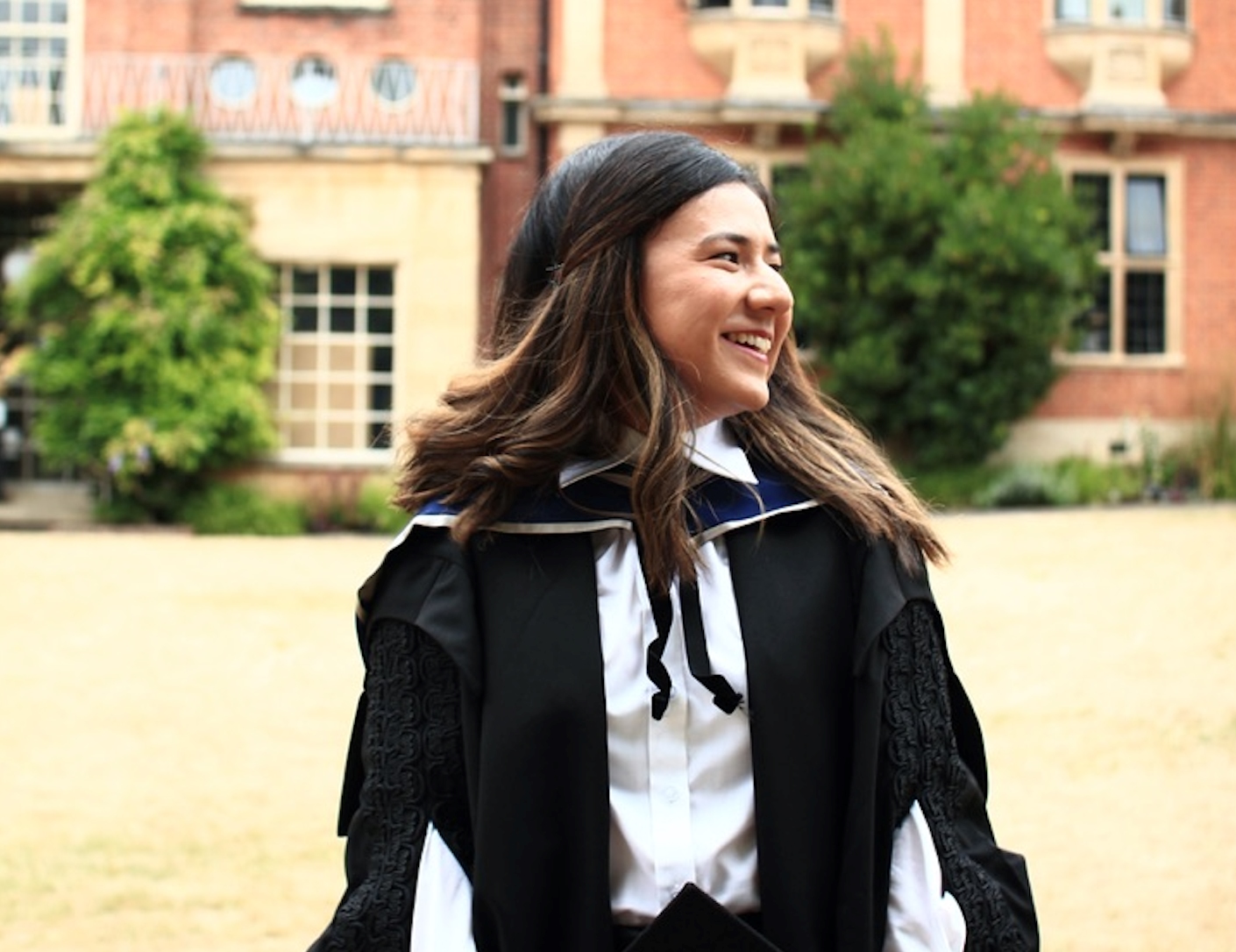
Summia Tora's life has been marked by displacement from an early age, having first become a refugee as an infant.
Like many Afghans, she has lived much of her life outside her homeland, experiencing life as a refugee in Pakistan, a scholarship recipient in the US, and now as a UK-based advocate for Afghan women's rights.
“My journey began in the 1990s when I fled Afghanistan during the Taliban's initial rise to power and sought refuge in Pakistan,” Summia told Bangla Outlook, “As a child refugee, accessing education was a constant struggle.”
In 2014, seeking better opportunities, Summia traveled to Kabul to take an exam for a scholarship to study high school in the United States. Tragically, the day after the exam, the woman who administered it was killed in the same hotel where she had taken the test.
“This devastating event underscored the sacrifices made to provide education and resources to young Afghans,” she said, “Despite the tragedy, I was selected for the scholarship a few months later, a turning point in my life that led to me becoming the first Rhodes scholar from Afghanistan.”
In August 2021, as the first-ever Rhodes Scholar from Afghanistan, Summia was pursuing a Master's in Public Policy at Oxford, with plans to work for the Afghanistan Independent Human Rights Commission upon graduation.
However, the fall of the Afghan government and the Taliban's takeover forced her to shift focus to helping her Uzbek minority family escape persecution. After a harrowing journey, they were safely resettled in the United States in March 2023.
“During this process, I also aided in evacuating numerous individuals facing persecution, gaining firsthand knowledge of the vast inequalities in accessing immigration and legal resources,” she told Bangla Outlook.
This experience led Summia to establish the Dosti Network, a platform dedicated to addressing these disparities for Afghans seeking resettlement or facing persecution. Since its inception, Dosti has supported over a thousand Afghans in accessing essential resources for immigration, resettlement, education, and aid.
Summia said, numerous Afghans face immense obstacles in their attempts to leave the country.
“Obtaining a passport or visa is extremely difficult, and women are particularly vulnerable as they require a male companion to leave. Even if they reach neighboring countries, the situation remains dire,” she said.
Summia mentioned that Pakistan has deported thousands of refugees in recent years, while refugees in Iran face severe discrimination and exclusion. Additionally, many refugees in Pakistan have been imprisoned and forcibly deported.
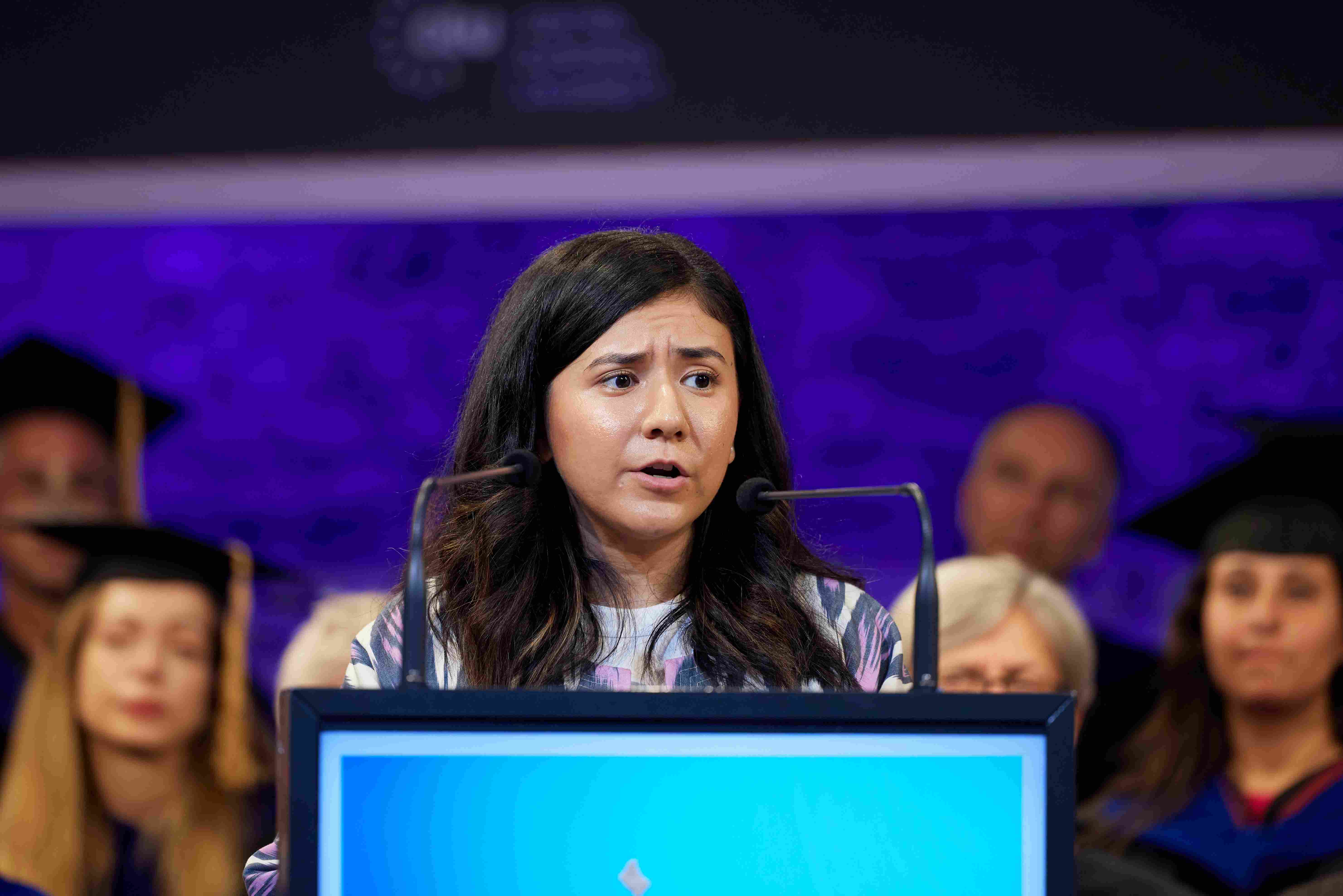
Within Afghanistan, many communities are being internally displaced due to natural disasters, which are exacerbated by climate change which is even higher than those displaced due to conflict, she pointed out.
“Dosti has worked to help Afghans facing persecution by providing access to humanitarian aid, immigration support, and funding for housing and medical needs in other countries,” Summia said, adding that they have also provided humanitarian aid to internally displaced refugees and those deported from Pakistan.
Summia told Bangla Outlook that vulnerable Afghan refugees residing in countries like Pakistan, Iran, and Tajikistan, or languishing in refugee camps in Greece, urgently need support from global organizations.
“Many of these refugees lack access to essential resources, such as legal aid and the right to work, and face numerous restrictions,” she said.
“With limited grassroots refugee organizations and UNHCR often unable to prevent unlawful deportations, Dosti has focused on supporting these refugees and ensuring their access to resources,” she added.
Summia opined that it's crucial to empower more refugee-led organizations with grassroots approaches, as they possess the awareness and understanding to effectively address these challenges.
—
Hamed, Manal, and Summia are ambassadors of One Young World--a global community for young leaders.
Seven Hills, a UK-based organization, has provided all photos for this story.