

UN mobilizes cyclone Remal relief efforts in Bangladesh with CERF funding
Staff Reporter
Publish: 24 Jun 2024, 07:20 PM
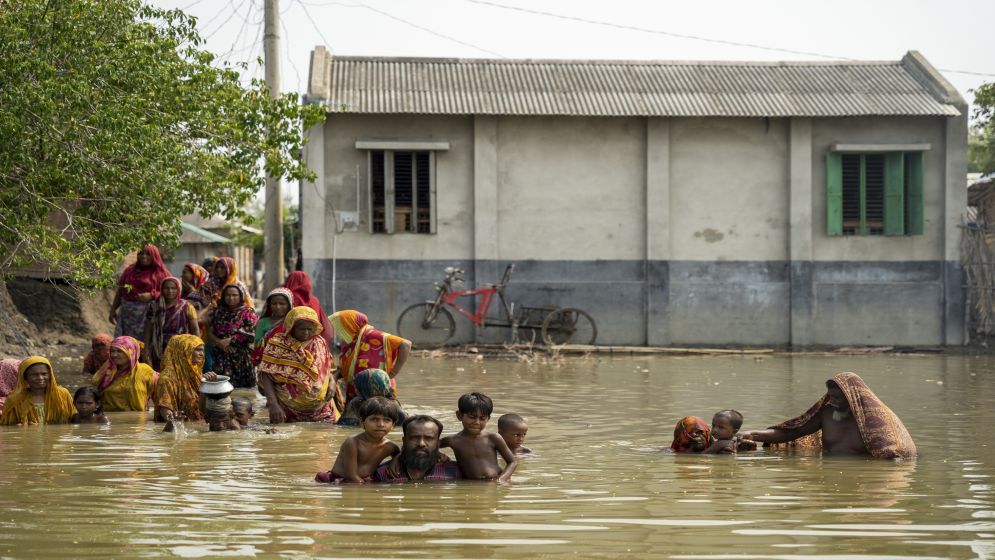
The United Nations in Bangladesh has mobilized funds to provide urgent aid to communities devastated by Cyclone Remal.
After securing US$7.5 million from the Central Emergency Response Fund (CERF), the UN is launching a massive relief effort aimed at reaching 650,000 people in seven severely affected districts.
This funding will be instrumental in implementing the recently unveiled Cyclone Remal Response Plan, a comprehensive strategy seeking $53 million to assist over 784,000 individuals, with a particular focus on vulnerable groups like women, children, and people with disabilities.
The UN agencies leading this critical response include the Food and Agriculture Organization (FAO), the UN Population Fund (UNFPA), the UN Children's Fund (UNICEF), and the World Food Programme (WFP). Their swift action aims to address the immediate needs of those impacted by the cyclone and provide essential life-saving support.
UN Resident Coordinator in Bangladesh, Gwyn Lewis, expressed gratitude for the CERF funding, emphasizing its importance in supporting vulnerable communities grappling with the loss of livelihoods and essential services.
In collaboration with the government, civil society, and humanitarian partners, UN agencies will concentrate on providing life-saving relief and rebuilding livelihoods in the wake of this latest natural disaster.
The CERF funds will enable FAO to provide vital agricultural support to livestock farmers in the hardest-hit districts. This assistance aims to restore food security and agricultural production by providing farmers with the means to resume crop cultivation.
Around 10,800 households will benefit from livestock feed, livelihood grants, and storage silos in the affected areas.
UNFPA will focus on providing essential services to address gender-based violence, reduce maternal mortality, and improve menstrual health for adolescent girls. Their efforts will reach 15,920 women and girls, including pregnant women and individuals with disabilities.
UNICEF is meanwhile prioritizing life-saving interventions in water, sanitation, and hygiene (WASH), as well as primary healthcare,aiming to assist 300,000 people.
These WASH interventions encompass the distribution of essential kits, deployment of mobile water treatment plants, hygiene promotion, and the restoration of WASH facilities, including healthcare centers.
In terms of health, UNICEF will provide maternal and newborn care, child and adolescent health services, and immunizations for children.
Additionally, vulnerable groups like pregnant women, adolescent mothers, and people with disabilities will receive multi-purpose cash grants.
—