

Bangladeshi men trafficked to fight in Russia’s war in Ukraine: Rights groups urge action

Staff Reporter
Publish: 04 Mar 2026, 08:04 PM
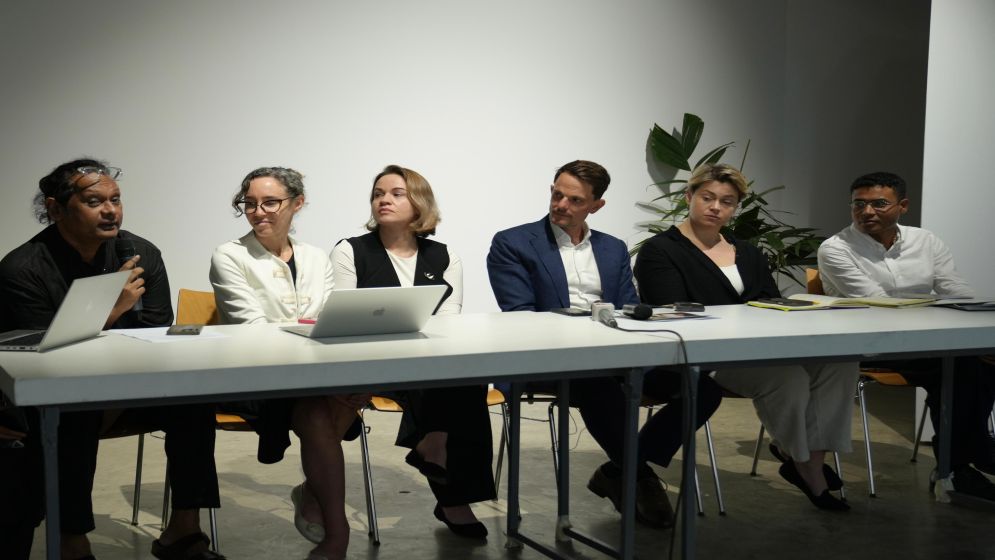
A new investigation by the human rights organizations Fortify Rights and Truth Hounds has revealed that Bangladeshi men have been trafficked and coerced into fighting in Russia’s war against Ukraine, highlighting a growing pattern of exploitation targeting vulnerable migrants.
The 62-page report, titled “I Was Tricked into the War: The Risk of Human Trafficking and Coerced Recruitment of Bangladeshi Men into Russia’s War in Ukraine,” documents how brokers used deception, fraudulent job offers, and coercion to recruit Bangladeshi men into the Russian Armed Forces.
Many of the victims believed they were travelling abroad for civilian employment but were instead forced into frontline combat roles.
According to the report, recruitment networks promised overseas jobs with attractive salaries and safe working conditions. However, once the men reached Russia, they were transported to military facilities and compelled to support Russia’s ongoing military operations in Ukraine.
Some victims were reportedly told upon arrival that they had been “bought” to fight.
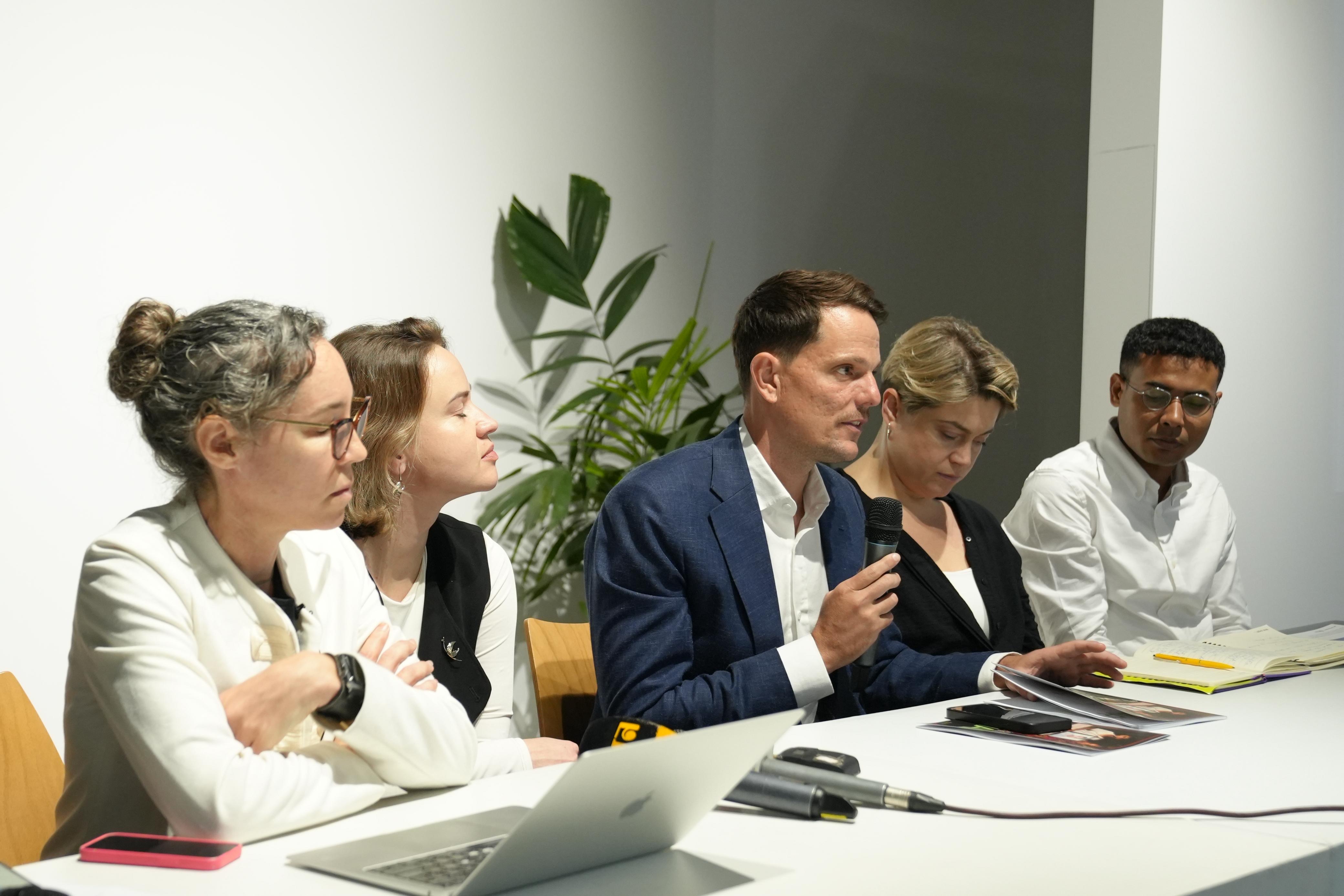
The organizations say such practices may constitute human trafficking under international law. They urged the Government of Bangladesh to dismantle recruitment networks, prosecute traffickers, and provide support and compensation to survivors and the families of those killed in the conflict.
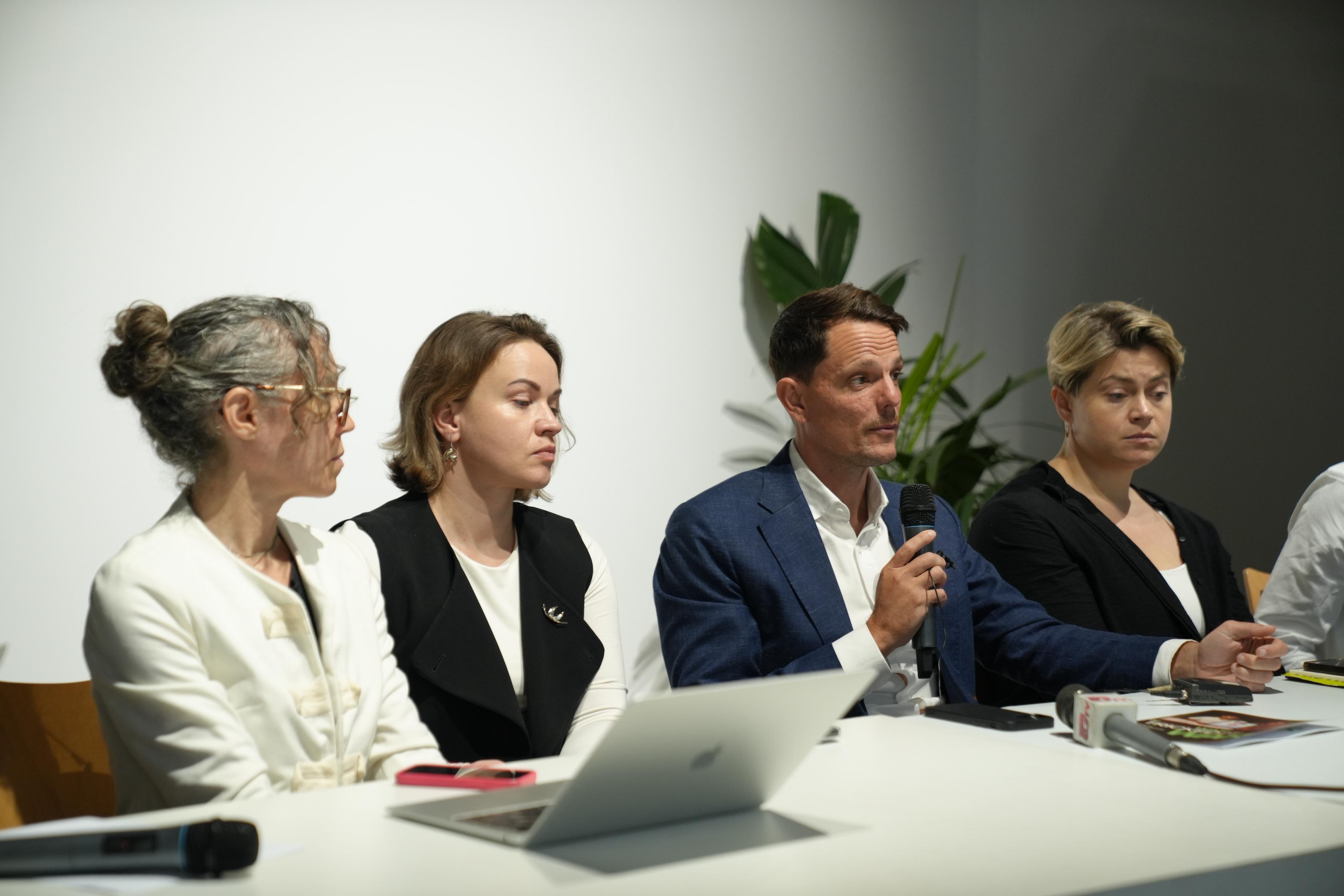
John Quinley, director at Fortify Rights, said the abuse uncovered in the investigation may represent only a fraction of the real scale of the problem. He warned that vulnerable men from Bangladesh and other countries are being exploited to sustain Russia’s war effort.
The report is based on interviews conducted between May 2025 and February 2026. Researchers spoke with 24 people in Bangladesh and Ukraine, including Bangladeshi recruits, survivors of trafficking, relatives of those killed in the conflict, service providers assisting victims, and Bangladeshi officials.
Investigators also interviewed prisoners of war from Nepal and Sri Lanka captured in Ukraine and communicated with Ukrainian authorities overseeing detainees.
Testimonies gathered during the investigation describe a pattern of deception. Many Bangladeshi men were recruited by brokers who promised civilian jobs abroad, such as construction or technical work.
Victims were often routed through third countries before arriving in Russia, where they were asked to sign contracts written in Russian—a language most of them could not understand.
One survivor, 31-year-old Maksudur Rahman, told researchers that he agreed to travel abroad because of financial pressure and assurances from brokers that the work had nothing to do with the war.
He described being flown from Dhaka to Dubai and then to Russia. Upon arrival in Moscow, brokers demanded additional payments and collected cash in secret to avoid surveillance cameras.
Rahman said that after being moved between several locations in Moscow, he and others were taken to a military compound.
There they were informed—through a translator—that they had been purchased to fight in the war. When they protested, they were threatened and abused.
Victims interviewed for the report described harsh conditions after joining the Russian military. Some were deployed to combat zones with little or no training and suffered injuries from landmines and drone attacks.
Others reported being beaten by commanders, denied wages, or prevented from leaving military units after their passports were confiscated. Attempts to escape were sometimes met with threats of death.
The consequences have also been devastating for families in Bangladesh. Many families paid large recruitment fees—often thousands of U.S. dollars—by borrowing money or selling property.
In some cases, relatives later received news that their family members had died in Ukraine, leaving households burdened with debt and grief.
The father of a 22-year-old Bangladeshi man who died in the war told investigators that his family had paid about 950,000 Bangladeshi taka (around US$8,600) to a recruitment agency.
His son initially worked as a welder in Russia but was later trained by the military and sent to the front lines in Ukraine. His body has not yet been returned to Bangladesh.
Fortify Rights and Truth Hounds called on multiple governments to take action. Bangladesh authorities should investigate brokers and agencies involved in trafficking, while Ukraine should screen captured foreign fighters for signs of trafficking or coercion.
The groups also urged international organizations to support survivors and address abusive recruitment practices.
Human rights advocates say the findings illustrate how global conflicts can fuel new forms of exploitation. By targeting people from economically vulnerable communities, traffickers and recruiters are able to expand the human cost of war beyond national borders.
The report warns that unless governments take decisive steps to dismantle recruitment networks and protect migrant workers, more men from Bangladesh and other countries could fall victim to similar schemes in the future.
___