

Hasina reaches out to ICT, seeks to overturn ‘void’ death sentence

Staff Reporter
Publish: 01 Apr 2026, 11:16 PM
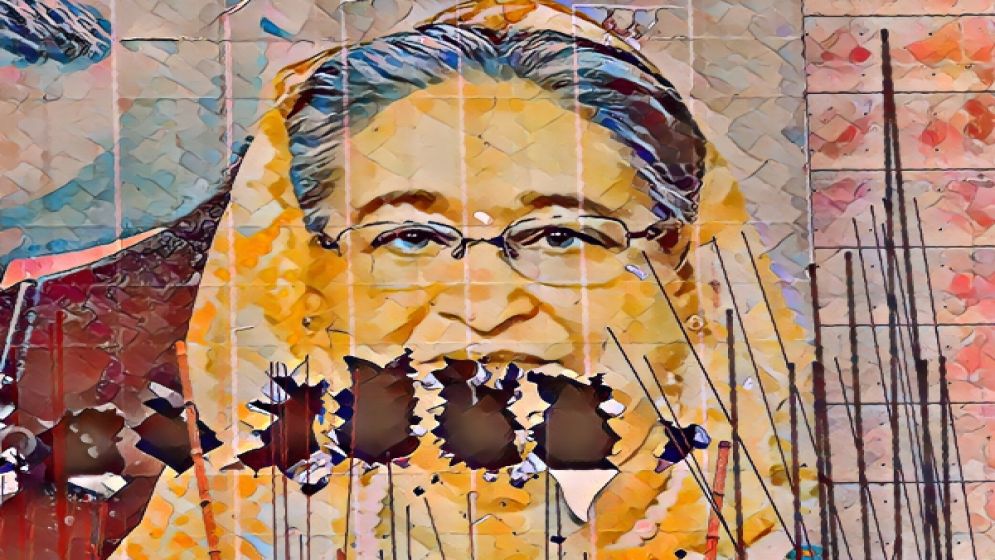
In a significant legal and political development, ousted Bangladeshi prime minister Sheikh Hasina has formally reached out to the country’s International Crimes Tribunal, challenging the death sentence handed down to her last year and seeking its immediate annulment.
This marks her first formal engagement with the authorities since the Bangladesh Nationalist Party, led by Tarique Rahman, assumed power in January.
Hasina, who has been living in exile since her ouster in 2024, was convicted in absentia over charges linked to the violent crackdown on student-led protests that rocked the country and led to her downfall.
Acting through her legal representatives, Hasina submitted a detailed 10-page letter to the tribunal, directly contesting the validity of the verdict.
The petition argues that the ruling is fundamentally flawed and “legally void,” asserting that the proceedings failed to meet basic standards of due process and fairness.
The letter also calls for an immediate halt to any steps aimed at enforcing the sentence. It warns that carrying out the death penalty under such circumstances would amount to “summary execution” and constitute a serious violation of international law and human rights norms.
Her legal team stressed that no action should be taken that could lead to irreversible consequences while the legitimacy of the judgment remains under question.
The communication was sent by London-based law firm Kingsley Napley, which is representing Hasina in the matter.
Importantly, the letter signals a shift in her stance—indicating that she is now willing to engage with the judicial process, provided it is conducted before what she describes as an independent, impartial, and credible tribunal.
The move comes against the backdrop of mounting criticism surrounding the tribunal itself, with legal experts and international observers raising concerns about procedural lapses, trial in absentia, and questions over jurisdiction.
Hasina has consistently dismissed the charges against her as politically motivated, maintaining that the case is part of a broader effort to sideline her and dismantle her political legacy.
Her latest outreach is being seen as a strategic attempt not only to challenge the verdict but also to reinsert herself into Bangladesh’s evolving political and legal landscape at a time of deep transition and uncertainty.
—