

Bangladesh digital laws still threaten free speech and privacy, rights groups warn

Staff Reporter
Publish: 28 Apr 2026, 08:05 PM
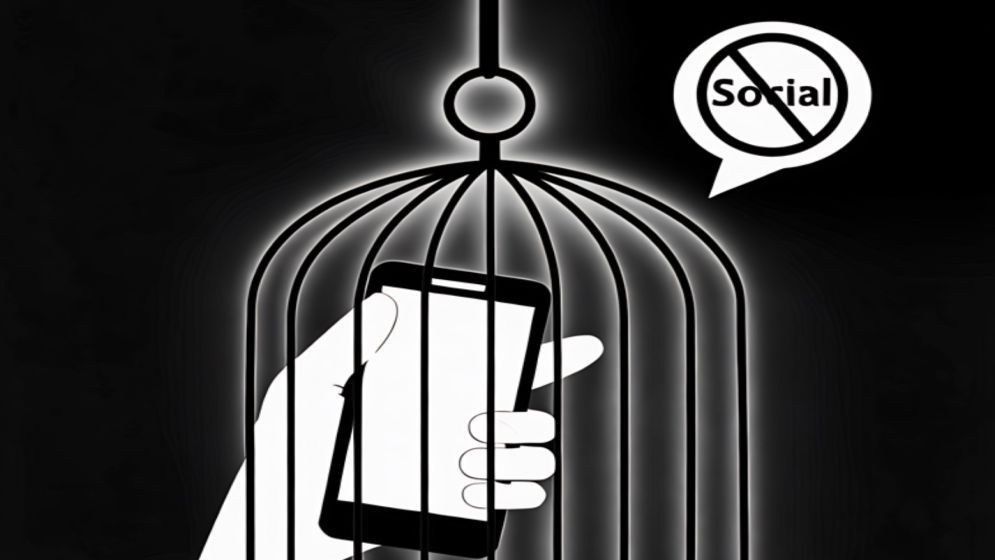
Recently passed digital laws in Bangladesh still pose serious risks to freedom of expression and personal privacy, and each of the new statutes should be reviewed to better protect citizens’ rights, speakers said at the Digital Rights Asia-Pacific Bangladesh National Conference 2026 on Tuesday.
Participants at the conference alleged that the laws were rushed through parliament without adequate consultation with stakeholders and that several provisions enabling broad digital surveillance remain intact.
The conference, themed “Meaningful, Inclusive Lawmaking,” was held at the Bangladesh-China Friendship Conference Center and organized by Digitally Right and EngageMedia. Transparency International Bangladesh and D-Net joined as session partners.
During the opening plenary, Transparency International Bangladesh Executive Director Dr. Iftekharuzzaman criticized the recently enacted Cyber Security Act, amended Telecommunications Act, Personal Data Protection Act and National Data Management Act.
He said the laws contain major inconsistencies, conflict with democratic commitments, and largely revive previous legislation under new names. He added that many political leaders had themselves faced abuse under earlier laws but had now enacted similar measures again.
Other speakers warned that the combined effect of the new laws could create a framework for mass surveillance. The Daily Star Joint Editor Asha Mehreen Amin said lawsuits over Facebook posts continue under the current government and journalists still face surveillance risks.
UNESCO Bangladesh Head of Representative Suzanne Vize urged the government to reassess each law through a social and human rights lens, saying the new administration has an opportunity to strengthen protections.
However, Additional Secretary Muhammad Anwar Uddin of the Posts, Telecommunications and ICT Ministry defended the legislation as necessary and important, saying any flaws could be corrected through later amendments and that improvements were already under way.
In a later session, Meta Public Policy Manager Ruzan Sarwar said the company had struggled for four years over proposed data rules, particularly data localization requirements, and had questioned whether it could maintain a presence in Bangladesh. He said the data protection law eventually passed by parliament was more favorable for platforms such as Meta and Google.
Telenor Asia executive Pratyush Rao said the company was closely monitoring amendments to telecom law, especially powers granted under Section 97A and the authority of newly created regulatory bodies.
Bangladesh Telecommunication Regulatory Commission Commissioner Mahmud Hossain acknowledged that powerful interest groups often have greater access to policymakers than smaller stakeholders, contributing to mistrust.
ShareTrip founder Sadia Haque said local startups rarely get meaningful opportunities to shape policy, causing smaller technology firms to lose their voice.
A final panel led by D-Net focused on governance of artificial intelligence, with experts calling for inclusive public consultation before any AI policy is introduced.
Closing the event, Digitally Right Managing Director Miraj Ahmed Chowdhury said digital governance should not be controlled solely by governments or corporations, but must reflect the views of civil society, media and marginalized communities.
—