

Investing in children key to Bangladesh’s future social mobility, experts say

Staff Reporter
Publish: 17 May 2026, 11:58 PM
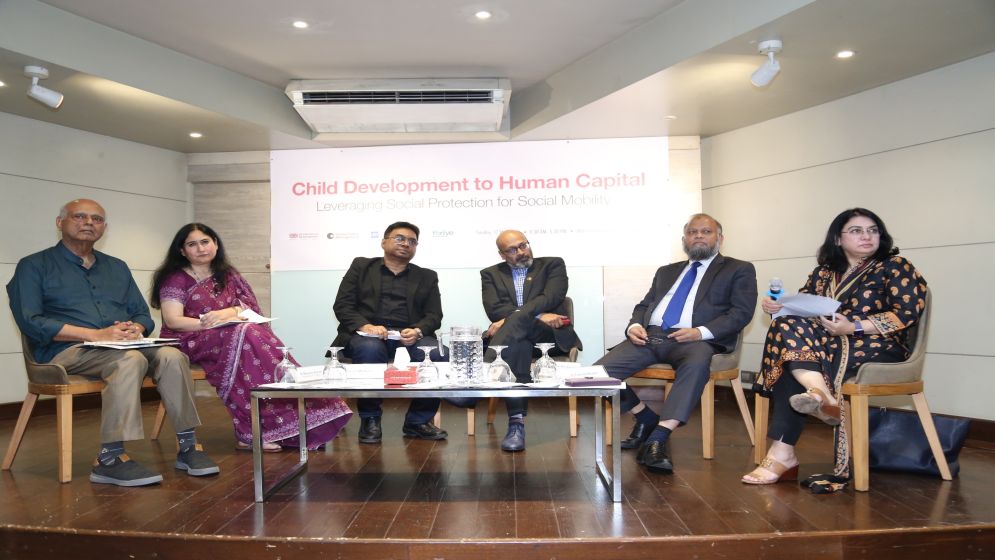
Investing in children through early childhood development, social protection and education is essential for building a socially mobile and economically resilient Bangladesh, speakers said at a high-level workshop organised jointly by BRAC Institute of Governance and Development and Oxford Policy Management.
The event brought together government officials, researchers, economists, and representatives from development organisations and civil society to discuss how early childhood development (ECD), poverty reduction and social protection policies can shape long-term human capital and improve social mobility.
Participants stressed that investments in children — including nutrition, healthcare, early stimulation, pre-primary education and family income support — create the foundation for a healthier, more productive workforce capable of meeting the challenges of the future economy.
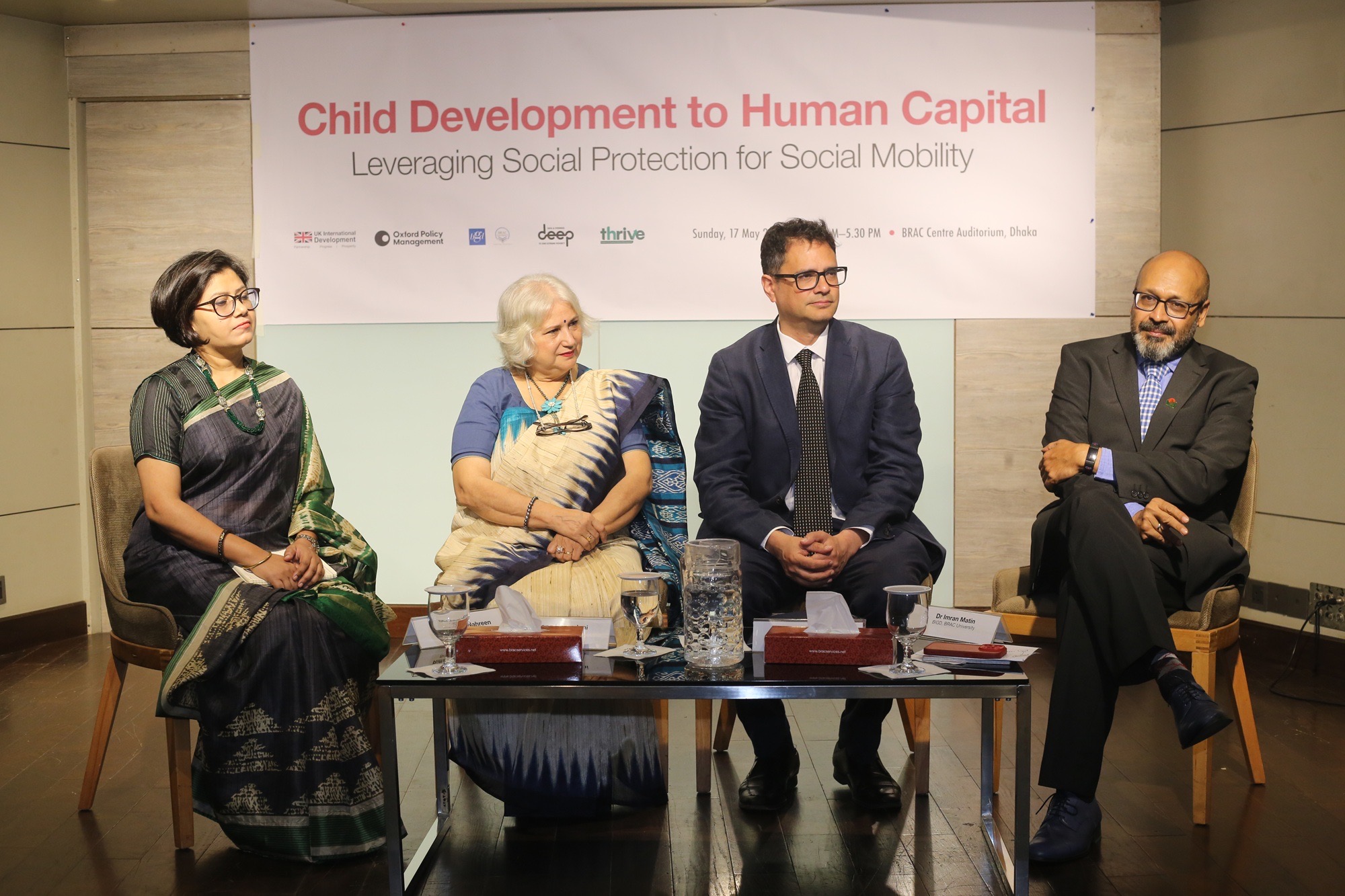
The workshop was co-created by BIGD and OPM to encourage closer collaboration between researchers and policymakers and to advocate for integrating ECD and social protection into Bangladesh’s national poverty reduction strategy.
The event opened with presentations on research into social mobility and poverty dynamics. BIGD shared findings on inequality and mobility trends, while OPM presented insights from its Thrive and DEEP programmes, which focus on early childhood development and poverty alleviation.
Dr Jena Hamadani, Emeritus Scientist at icddr,b, underscored the long-term benefits of investing in young children.
“Supporting early childhood development promotes a skilled workforce that can take advantage of opportunities and contribute to a productive and healthy economy,” she said.
“Early childhood development can create a socially mobile population while improving the lives of individuals and provides an incredible return on investment when compared with later interventions.”
Sessions throughout the workshop explored practical approaches to integrating parenting support with cash transfer programmes and examined how productive safety net initiatives can influence social mobility across generations.
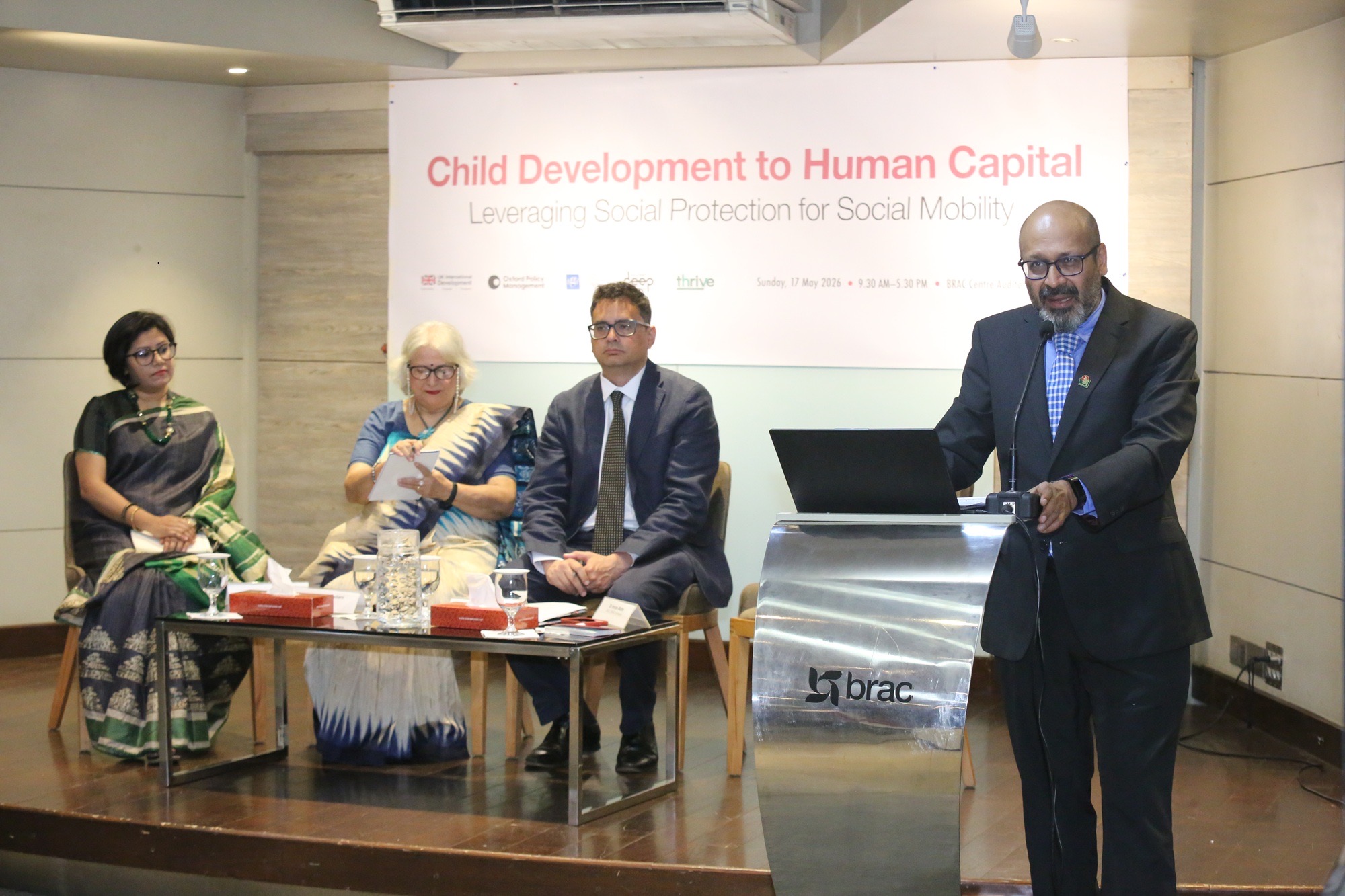
One featured case study highlighted Thrive’s “Saving Bangladeshi Babies’ Brains” initiative, which aims to scale up ECD services through government systems.
Economist Dr Abdur Razzaque, Chairman of Research and Policy Integration for Development, said Bangladesh has the fiscal capacity to expand child-focused social protection if programmes are implemented effectively.
“Three percent of Bangladesh’s GDP commitment can accommodate both the Family Card and wider lifecycle-based expansion,” he noted, while acknowledging ongoing challenges in programme delivery.
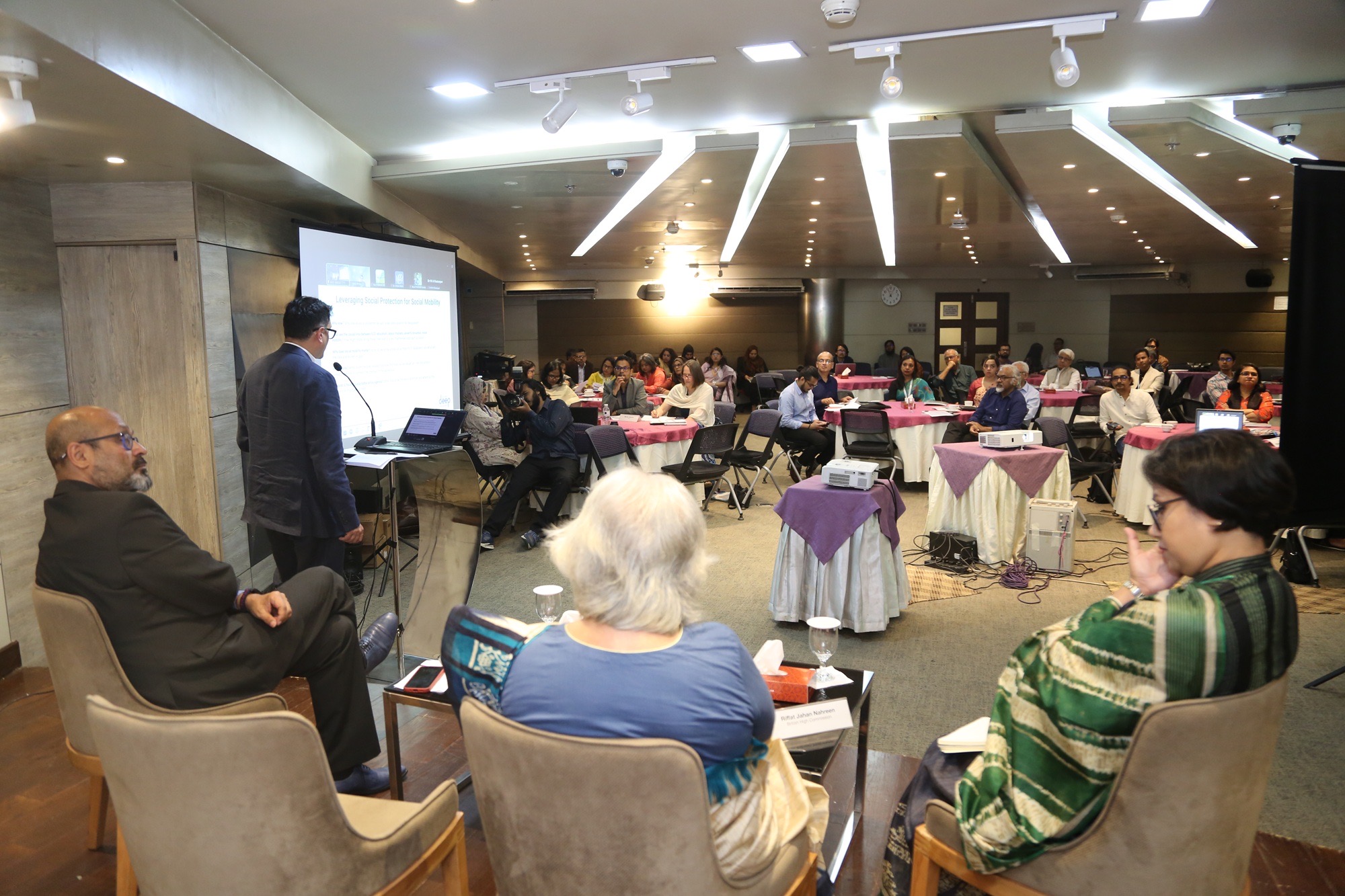
Joining virtually, Professor Andy McKay of the University of Sussex discussed how both intergenerational and intra-generational mobility are linked to poverty and human capital development.
Drawing on research presented at the DEEP International Conference in Arusha in 2025, he highlighted the importance of measuring mobility to better understand inequality and fragility.
Concerns over growing inequality in education were also raised during the event. Dr Hossain Zillur Rahman, Executive Chairman of Power and Participation Research Centre, warned that education is no longer functioning as an equalising force in society.
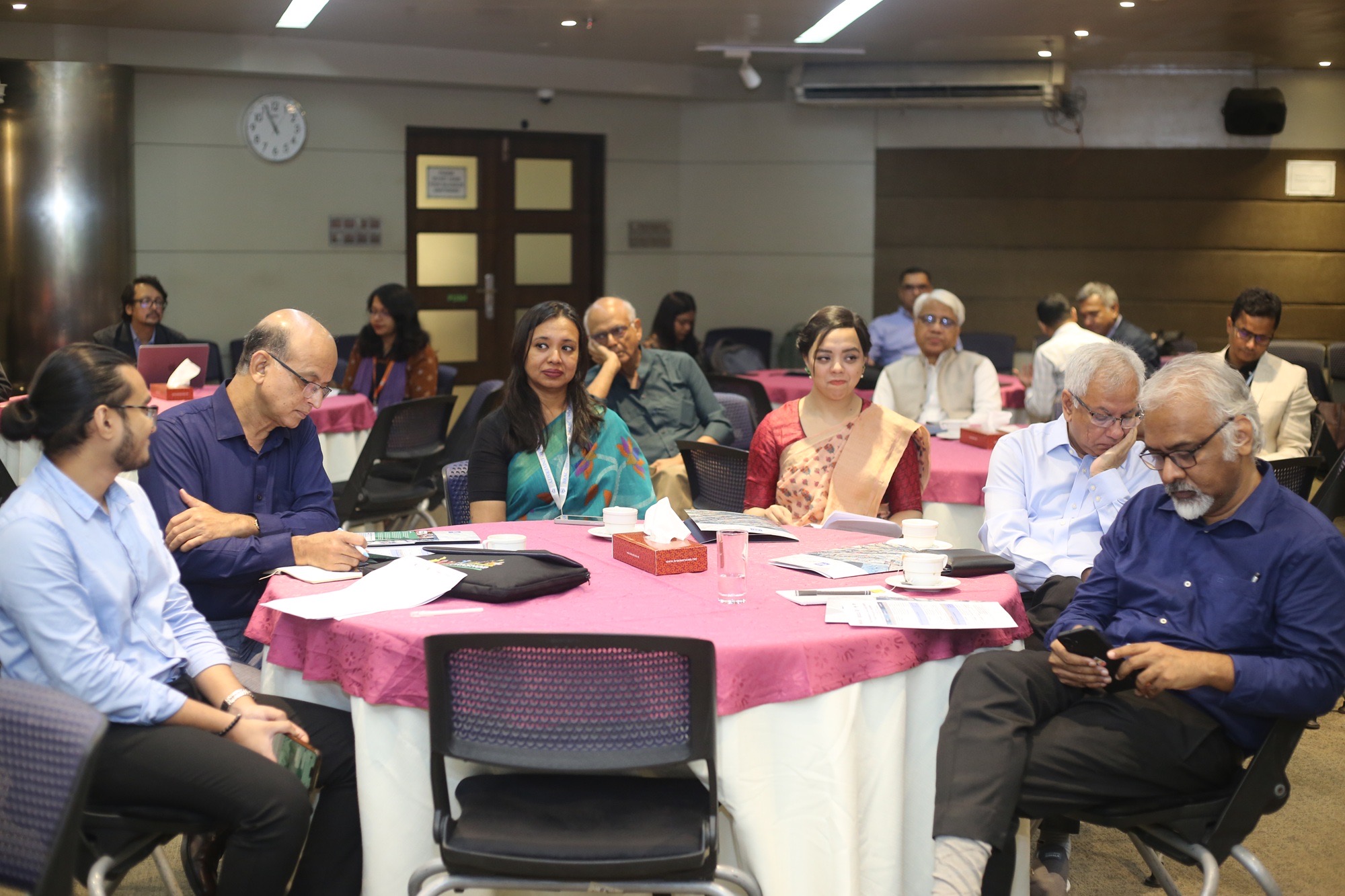
“Historically, education had been a driver of equality, but now education is driving inequality,” he said, pointing to rising unemployment and declining aspirations among vulnerable populations.
Government officials attending the workshop stressed the importance of data accessibility and evidence-based policymaking. Dr Dipankar Roy, Joint Secretary and Project Director at the Statistics and Informatics Division under the Ministry of Planning, called for stronger collaboration between researchers and the Bangladesh Bureau of Statistics.
He described public data as a “public good” and emphasised the need to make information more accessible for future research and policy planning.
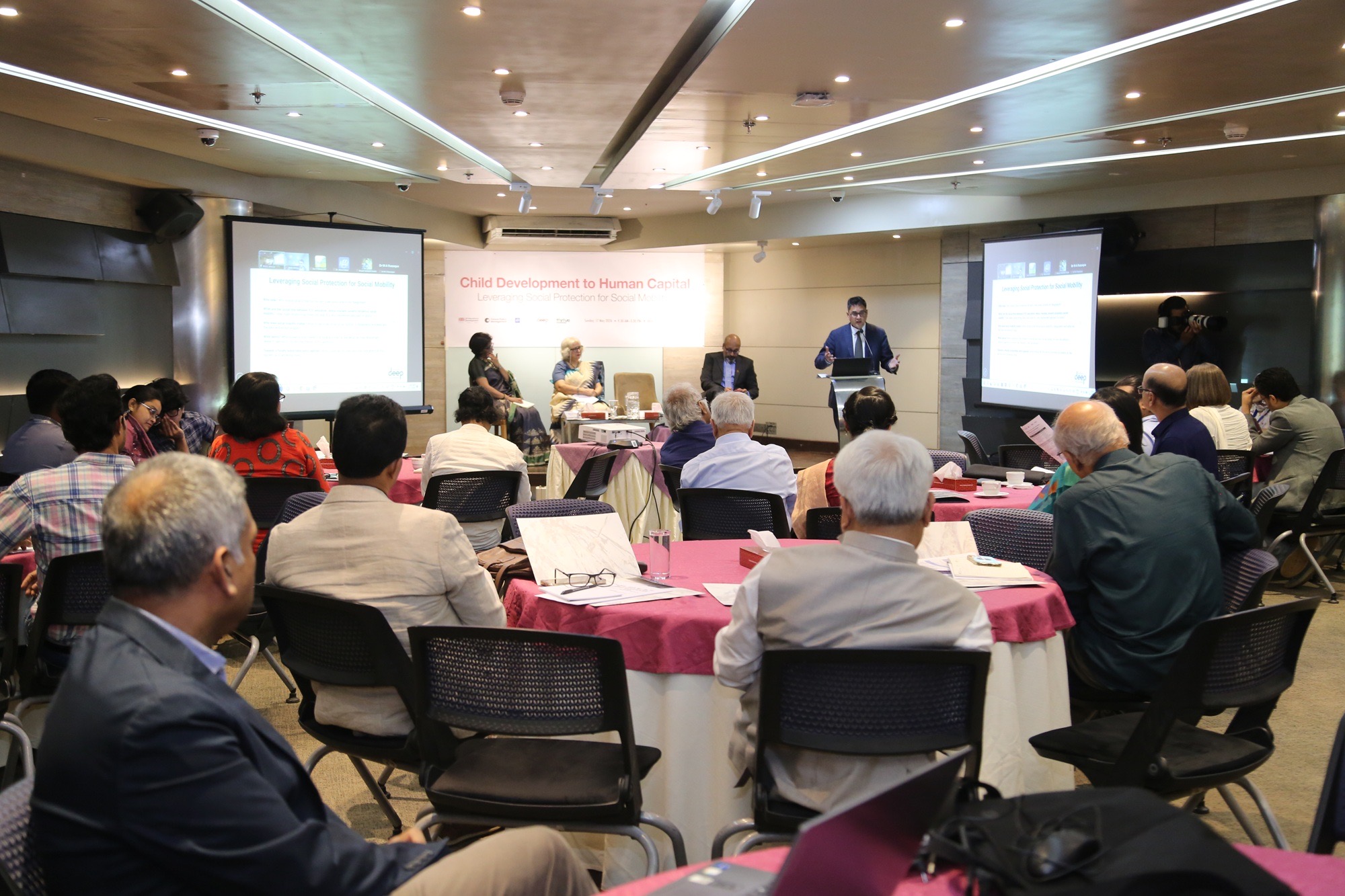
In the concluding session, Dr Mohammad Abu Yusuf, Secretary of the Ministry of Social Welfare, acknowledged the difficult trade-offs ministries face when allocating resources among competing priorities.
However, he maintained that investing in children must remain central to national development efforts.
“Investments prioritising our children are a forward-looking investment in our collective future,” he said. “That is an investment worth making.”
The discussion concluded with calls for stronger local government engagement and implementation-focused research to address fragmentation in Bangladesh’s social safety net system and ensure vulnerable families receive coordinated support.
—