

UNESCO, CRIHAP empower indigenous youth to protect Bangladesh’s living heritage

Staff Reporter
Publish: 21 May 2026, 08:25 PM
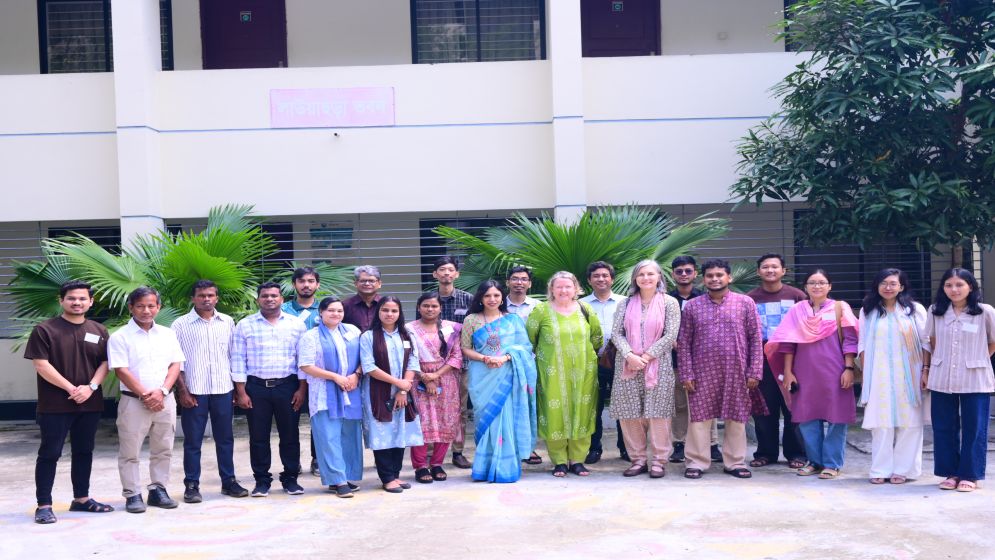
Group Photo of Participants, Facilitators and Guests
In a major push to preserve Bangladesh’s endangered cultural traditions and indigenous knowledge systems, UNESCO and the International Training Centre for Intangible Cultural Heritage in the Asia-Pacific Region (CRIHAP) have trained a new generation of indigenous youth leaders to safeguard the country’s living heritage.
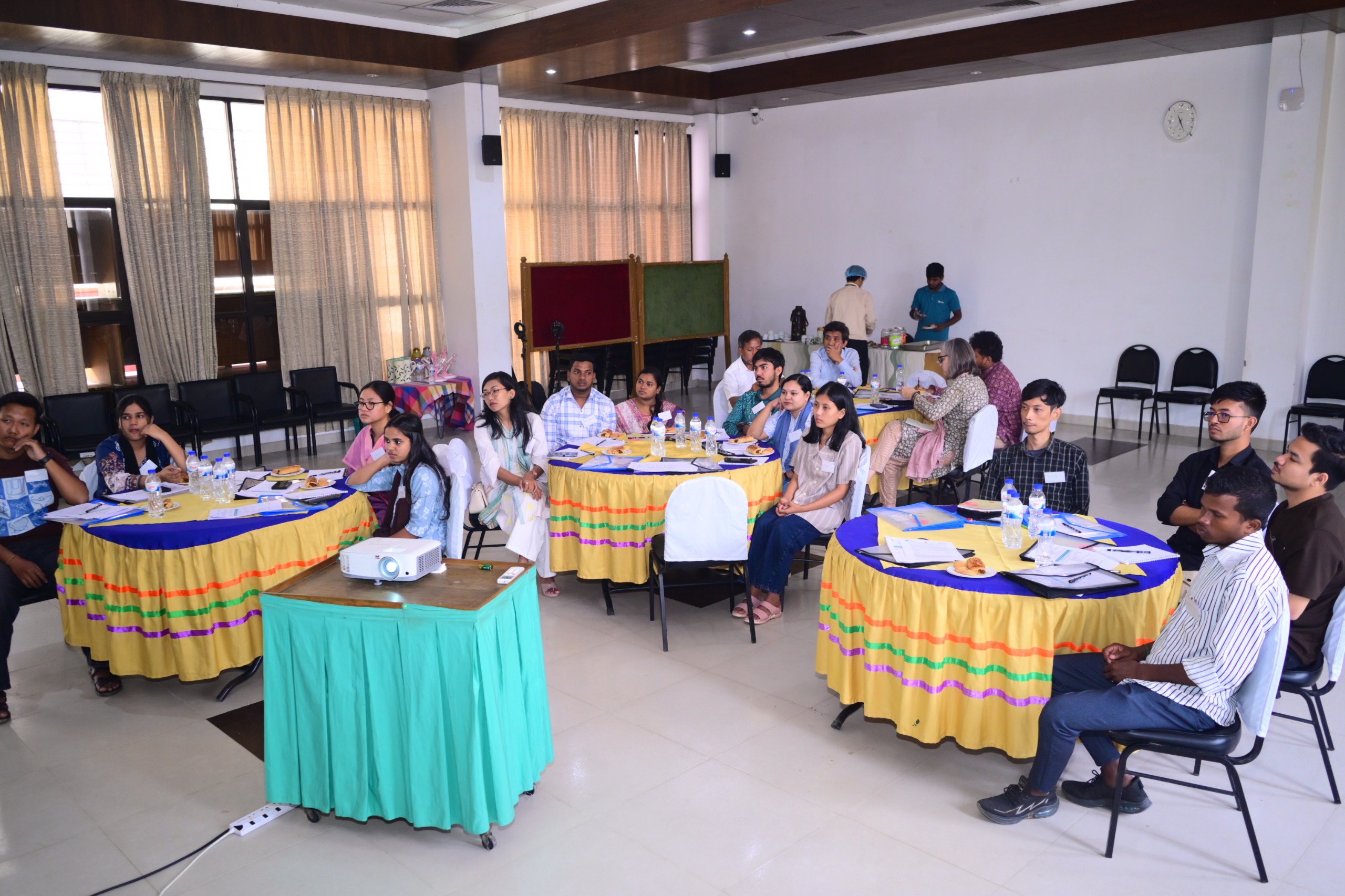
Fifteen young participants from indigenous and tea garden communities across Sylhet division completed an intensive five-day workshop focused on protecting and documenting intangible cultural heritage through community-led initiatives.
The programme, held from May 17–21 at the BRAC Learning Centre in Sreemangal, was jointly organized by UNESCO, CRIHAP, and cultural organization Anubad.
Participants from the Bishnupriya, Meitei, and tea garden communities received hands-on training in documenting oral traditions, cultural practices, traditional craftsmanship, and indigenous knowledge systems.
The initiative comes at a critical time when globalization, displacement, and rapid social changes continue to threaten many indigenous cultural practices and oral histories across Bangladesh.
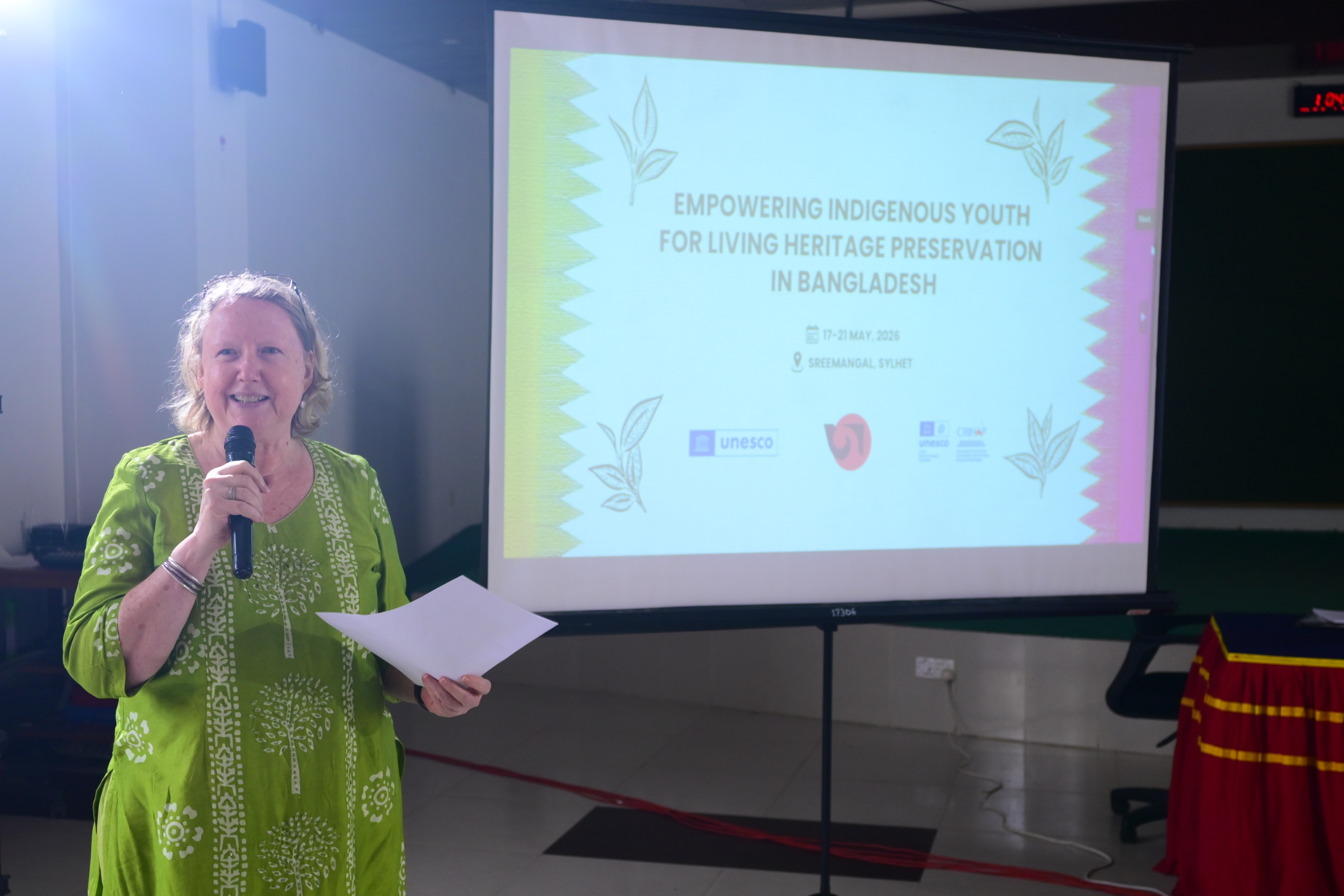
Opening the workshop, UNESCO Representative to Bangladesh Dr. Susan Vize stressed the need to place communities at the centre of all heritage preservation efforts.
“Young people are not only future custodians of heritage; they are active cultural actors today,” she said. “The role of communities must remain central throughout the safeguarding process.”
Joining virtually from abroad, CRIHAP Director General Zhang Jing described youth as “essential partners” in ensuring cultural traditions survive across generations.
“Strengthening their capacities today helps ensure that heritage continues to live and evolve tomorrow,” she said.
The training was facilitated by UNESCO-accredited Intangible Cultural Heritage expert Dr. Alexandra Dennes and National ICH Trainer Rifat Munim.
Combining classroom learning with field-based activities in Sreemangal and Kamalganj upazilas, the programme enabled participants to work directly with elders, traditional practitioners, and community members.
Participants identified and documented elements of living heritage and prepared draft inventory records for their own communities — a crucial step in preserving traditions that often exist only through oral transmission.
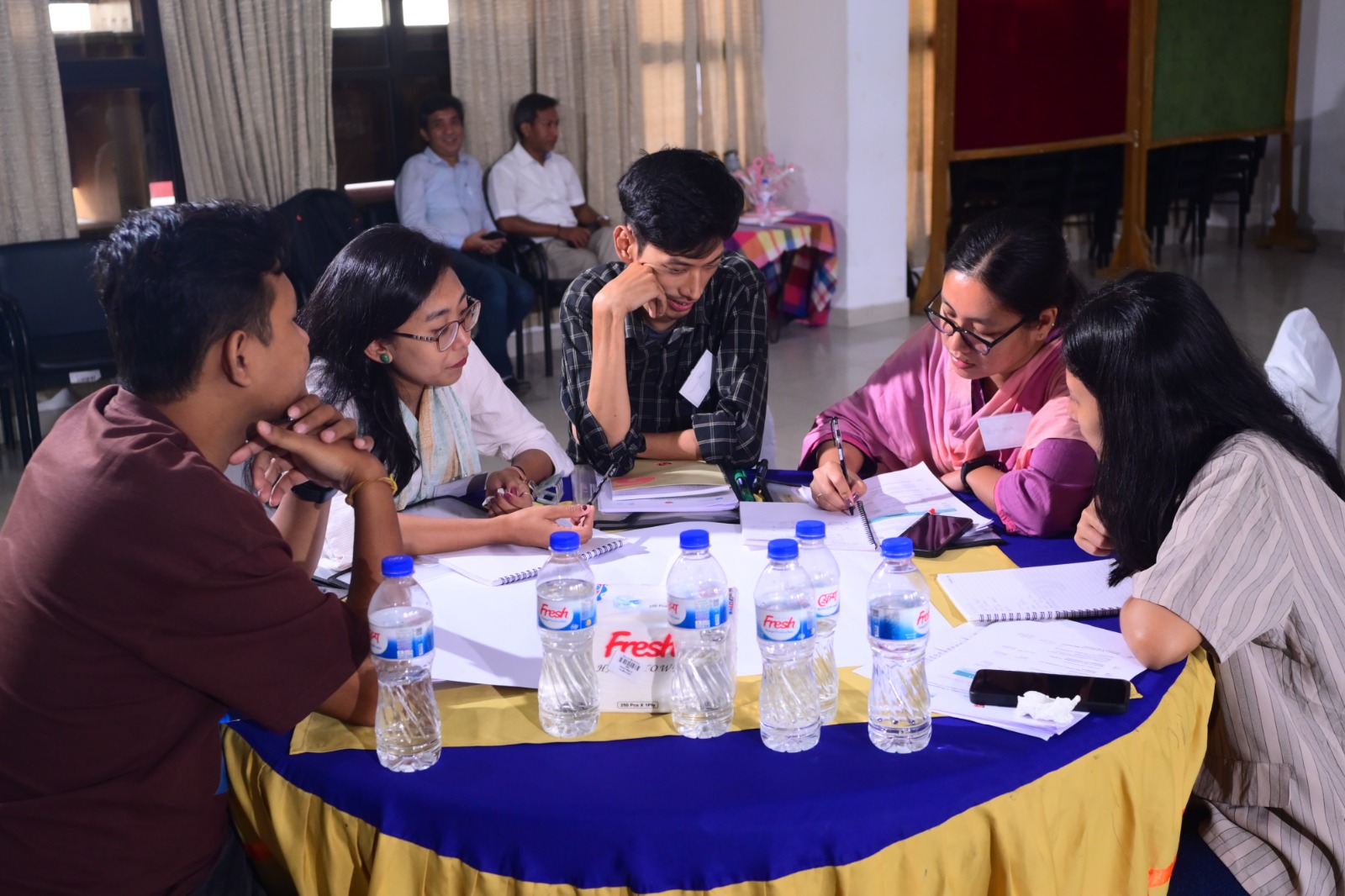
The workshop also introduced participants to the principles of the 2003 UNESCO Convention for the Safeguarding of the Intangible Cultural Heritage, ethical documentation standards, and the importance of obtaining free, prior, and informed consent from communities.
Beyond technical training, organizers said the programme created a rare platform for indigenous youth from different backgrounds to reconnect with their own cultural roots while exchanging experiences with others facing similar challenges.
For many participants, the experience was deeply personal.
“The workshop gave me practical experience and helped me understand more deeply why documenting and preserving our living heritage matters,” said Trisha Sinha from the Bishnupriya Manipuri community.
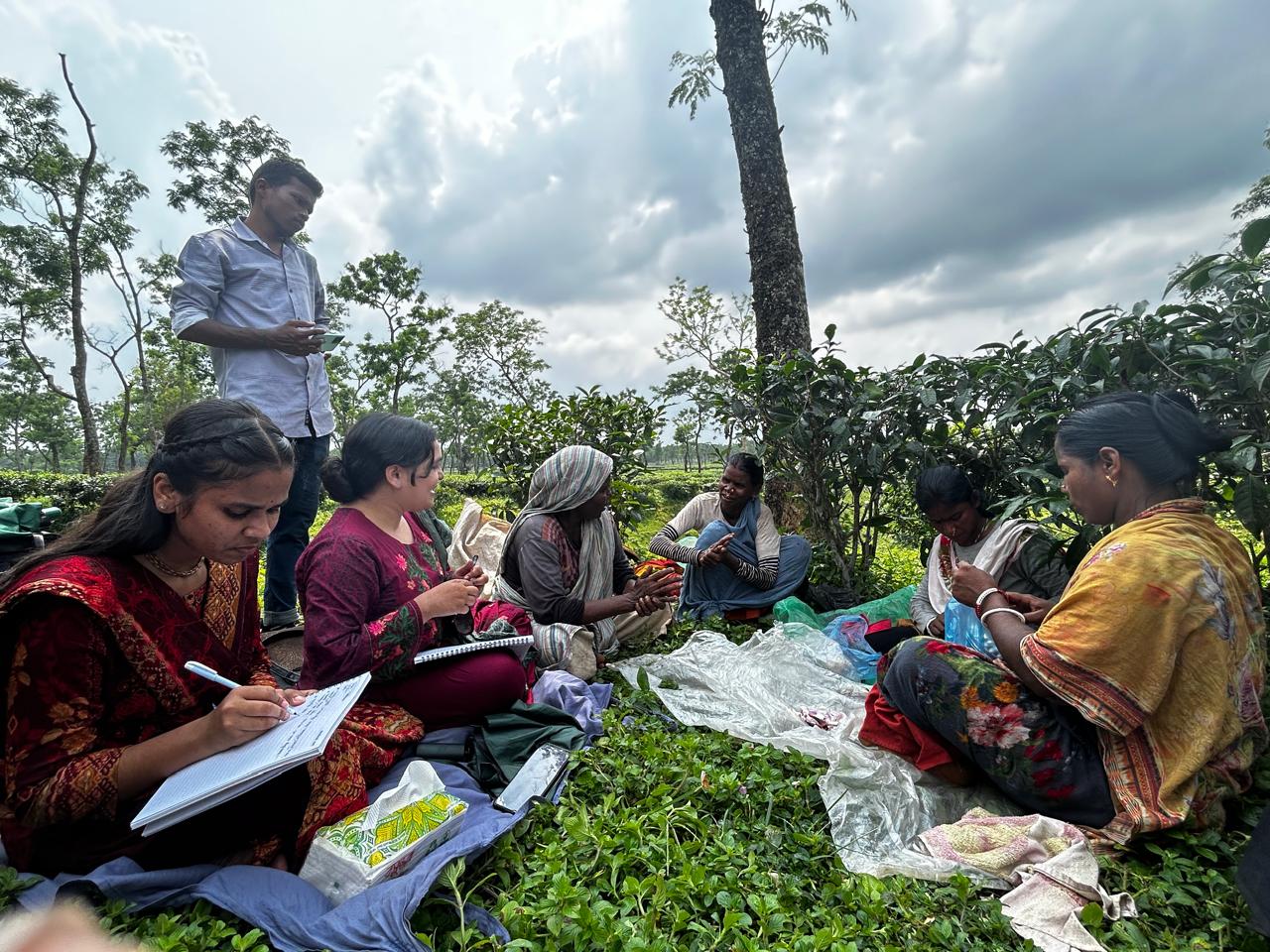
Jiyana Madrajee, a participant from the tea community in Shamshernagar, Kamalganj, said the programme allowed marginalized communities to tell their own stories.
“We were able to share the stories and traditions of our communities while learning from others,” she said.
UNESCO officials said the workshop builds on previous UNESCO–CRIHAP youth initiatives in Bangladesh aimed at strengthening community-led heritage preservation and developing a new generation of young cultural practitioners.
Cultural experts warn that many indigenous traditions in Bangladesh face increasing risks due to migration, environmental pressures, and declining intergenerational transmission.
Organizers believe empowering young people with documentation skills and cultural leadership can play a key role in reversing that trend.
The programme concluded with renewed calls for stronger national and community efforts to protect Bangladesh’s diverse living heritage before valuable traditions disappear forever.
—