

UNESCO study sounds alarm on climate crisis threatening indigenous communities in CHT

Staff Reporter
Publish: 25 May 2026, 06:39 PM
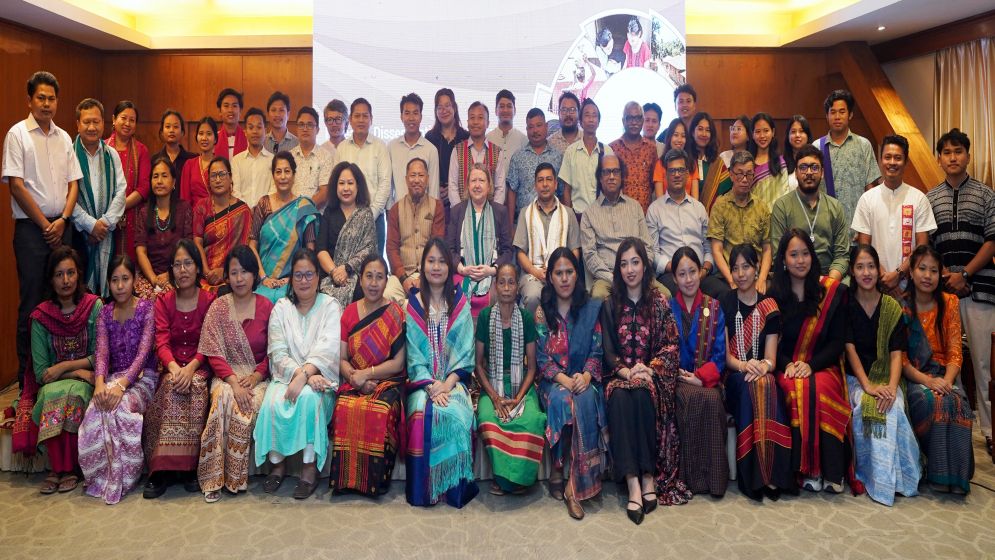
Group Photo of the Research Result Dissemination Event
Climate change, environmental degradation and unchecked human activities are rapidly intensifying threats to Indigenous communities in Bangladesh’s Chattogram Hill Tracts (CHT), according to a new UNESCO-supported youth-led research initiative that warns of mounting risks to livelihoods, culture and traditional knowledge systems.
The findings, unveiled during a research dissemination session in Chattogram on Sunday, paint a troubling picture of how rising temperatures, water scarcity, deforestation, monoculture plantations and extractive activities are reshaping life across Indigenous communities in the hill districts.
The research was conducted under the “Youth As Researchers (YAR): Indigenous Youth and Climate Change” initiative, organized by UNESCO in partnership with Maleya Foundation and Zabarang Kalyan Samity.
Researchers involved in the initiative said Indigenous communities remain among the most climate-vulnerable populations in Bangladesh because their livelihoods, food systems, social structures and cultural practices are deeply intertwined with forests, rivers and surrounding ecosystems.
However, those ecosystems are increasingly under strain from both climate-induced changes and commercial activities.
The studies found that traditional ecological knowledge — long used by Indigenous communities to predict weather patterns, preserve biodiversity and adapt agricultural practices — continues to play a vital role in climate resilience.
Yet participants warned that these knowledge systems are themselves becoming endangered due to environmental disruption, displacement pressures and the declining transmission of Indigenous practices to younger generations.
The initiative brought together five Indigenous youth research teams representing Chakma, Marma, Mro, Tripura and Tanchangya communities from different parts of the CHT. Each team conducted field-based and community-led research focusing on climate impacts unique to their communities.
The Chakma team examined youth-led adaptation efforts in Rangamati, highlighting how younger community members are increasingly engaging in sustainable farming, forest protection and local awareness campaigns in response to changing weather patterns and declining agricultural productivity.
The Marma team documented traditional survival techniques used for generations to cope with environmental stress while also identifying growing adaptation challenges linked to erratic rainfall, land degradation and biodiversity loss.
One of the most culturally significant findings emerged from the Mro community research, which explored how climate change is affecting natural resources used to make the traditional musical instrument known as the “Plung.”
Researchers warned that shrinking forest resources and ecological degradation could threaten not only livelihoods but also Indigenous cultural heritage tied to music, rituals and craftsmanship.
The Tripura research team focused on the disproportionate burden borne by Indigenous women during climate-related crises. Their findings revealed that women often face greater hardship because of limited access to land ownership, economic resources and participation in decision-making processes.
Researchers said women frequently shoulder increased responsibilities for collecting water, securing food and maintaining households during environmental stress.
Meanwhile, the Tanchangya team investigated growing water scarcity linked to stone extraction and the expansion of rubber and shegun plantations in parts of the hill tracts.
The study found that commercial land use changes are accelerating environmental degradation, reducing access to natural water sources and affecting agriculture and daily life for local communities.
The findings were presented before policymakers, academics, Indigenous leaders, development partners and civil society representatives during the closing session of the initiative.
Participants stressed the importance of integrating Indigenous perspectives and locally grounded knowledge into national climate adaptation policies.
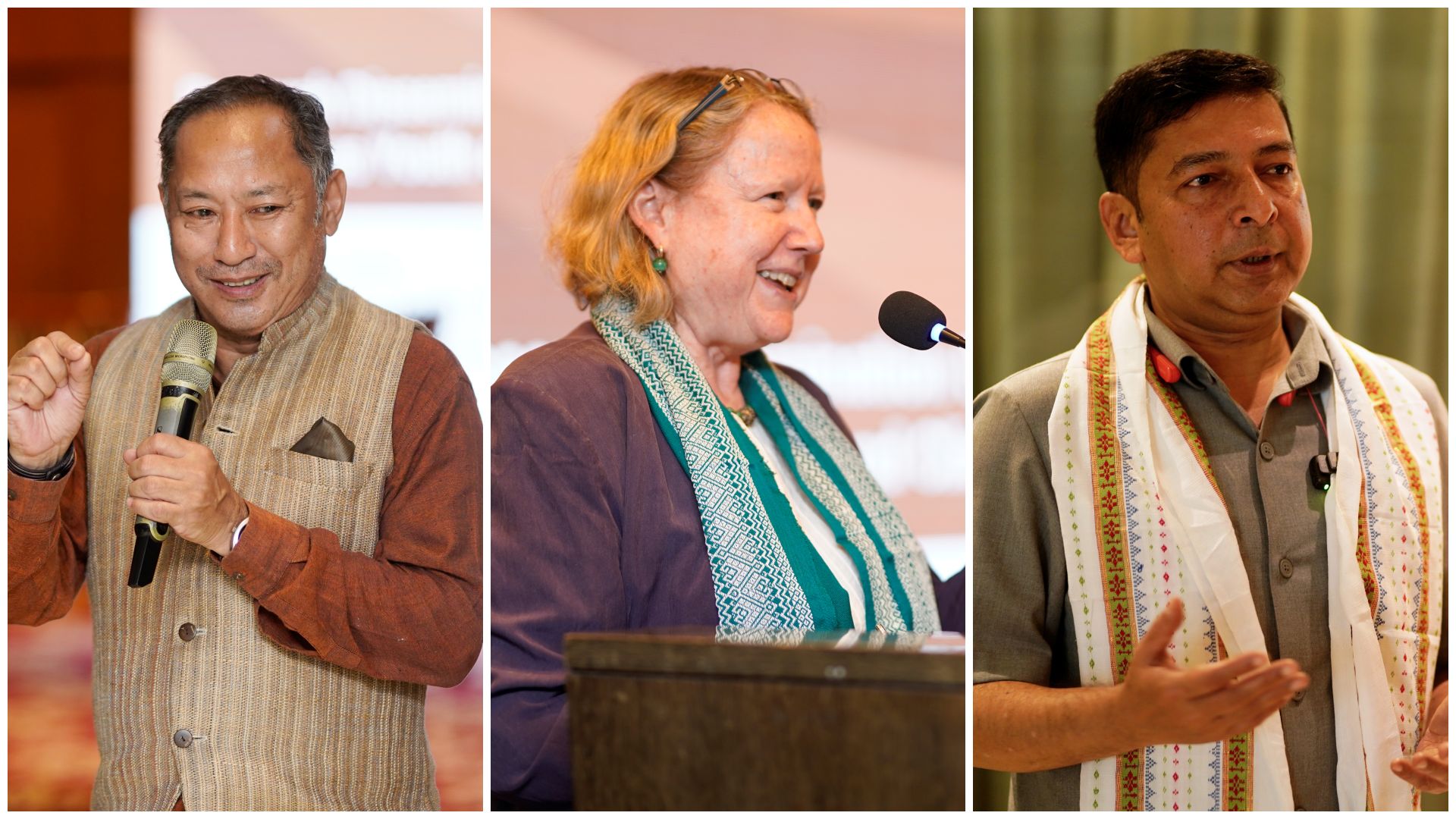
The event was attended by Chattogram Divisional Commissioner Dr Md Ziauddin, UNESCO Representative to Bangladesh Dr Susan Vize and Chakma Circle Chief Barrister Raja Devasish Roy, reflecting what organizers described as growing recognition of Indigenous youth voices in climate governance discussions.
Speaking at the event, organizers emphasized that Indigenous youth are no longer merely victims of climate change but emerging contributors to research, advocacy and policy dialogue. They argued that climate solutions developed without Indigenous participation risk overlooking generations of locally rooted environmental knowledge.
The YAR initiative in Bangladesh began in February 2025 following a national consultation on Indigenous language use and preservation convened by UNESCO and its partner organizations.
Discussions during that consultation highlighted the strong relationship between Indigenous knowledge systems, language preservation and environmental resilience.
As part of the programme, 25 Indigenous youth researchers received training in research methodology, ethical fieldwork, data collection and community-based research approaches before conducting months of field investigations across the CHT.
Their work ultimately produced research papers and policy briefs aimed at influencing future climate adaptation strategies and development planning in the region.
UNESCO and partner organizations said efforts are now underway to expand the initiative through continued knowledge exchange, youth engagement and policy advocacy to ensure Indigenous communities remain central to climate action planning in Bangladesh.
Researchers warned that without urgent and inclusive intervention, climate pressures combined with environmental exploitation could place both Indigenous livelihoods and centuries-old cultural traditions at growing risk in the years ahead.
—