

Laos tightens grip on monks’ social media use amid fears over online conduct

Outlook Desk
Publish: 03 Jun 2026, 06:57 PM
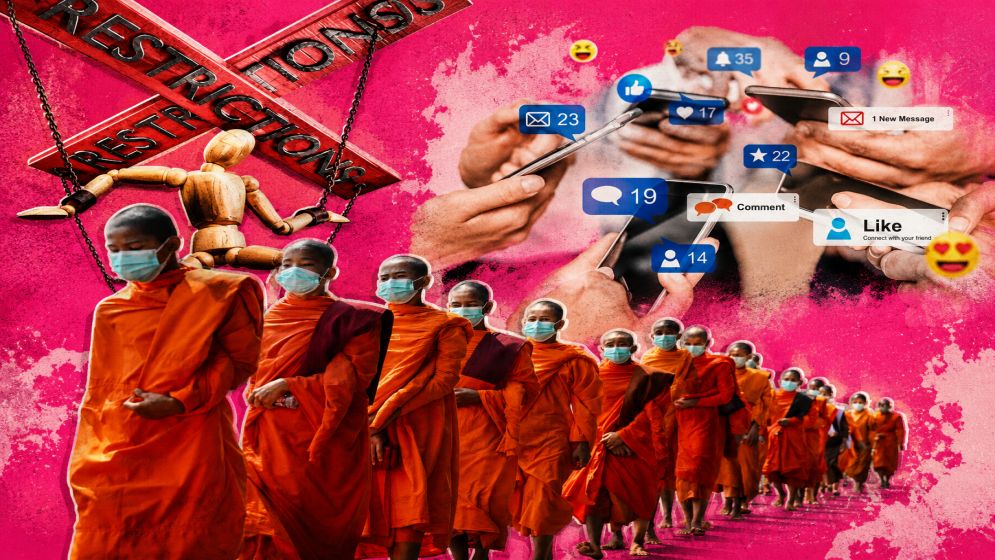
Laos has introduced stricter nationwide rules governing how Buddhist monks and other religious practitioners use social media, reflecting growing concern among religious authorities over the impact of digital platforms on monastic discipline and the public image of Buddhism.
The new guidelines, issued on 2 June by the Lao Buddhist Fellowship Organization, apply not only to ordained monks but also to novices, white-robed male devotees, and white-robed female devotees across the country.
The directive stops short of banning social media use, instead imposing a series of restrictions aimed at ensuring that online activity remains consistent with Buddhist teachings and ethical standards.
Under the regulations, religious practitioners are expected to avoid content that could damage the reputation of the Buddhist community, promote inappropriate behavior, or undermine traditional monastic values.
The move comes as social media platforms have become increasingly embedded in daily life, including within religious institutions.
Buddhism remains the dominant faith in Laos and plays a central role in the country’s cultural and social identity.
Religious leaders have increasingly faced challenges in balancing the opportunities offered by digital communication with concerns that online engagement may blur the boundaries of monastic conduct.
The guidelines highlight a broader effort by religious authorities to preserve discipline and maintain public trust in the Buddhist clergy at a time when online content can spread rapidly and reach large audiences.
While social media has enabled monks to share teachings, engage with followers, and promote religious activities, officials appear concerned that misuse of these platforms could erode respect for religious institutions.
The announcement also reflects a wider trend across Southeast Asia, where Buddhist organizations have increasingly sought to regulate digital behavior among clergy as smartphones and social networking platforms become commonplace.
In Laos, where religious activities operate within a tightly regulated framework, the new rules reinforce expectations that practitioners uphold both religious principles and social responsibility in the digital sphere.
–-