

TIB sees reform rollback, accountability erosion in BNP government’s first 100 days

Staff Reporter
Publish: 07 Jun 2026, 07:53 PM
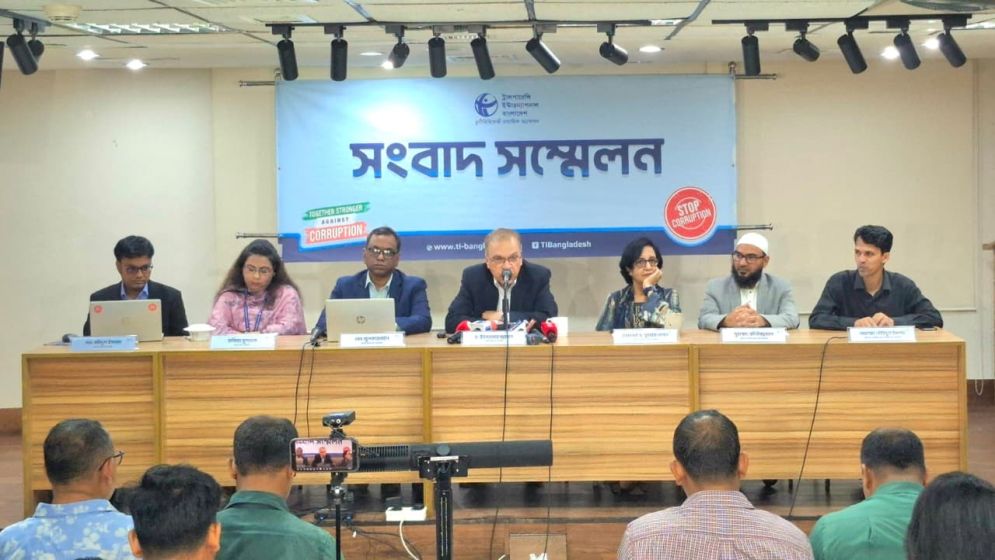
Transparency International Bangladesh (TIB) has alleged that despite a promising start and several visible reform measures, the BNP-led government’s first 100 days have been marked by growing signs of institutional backsliding, weakened accountability, and departures from its own commitments to good governance and anti-corruption.
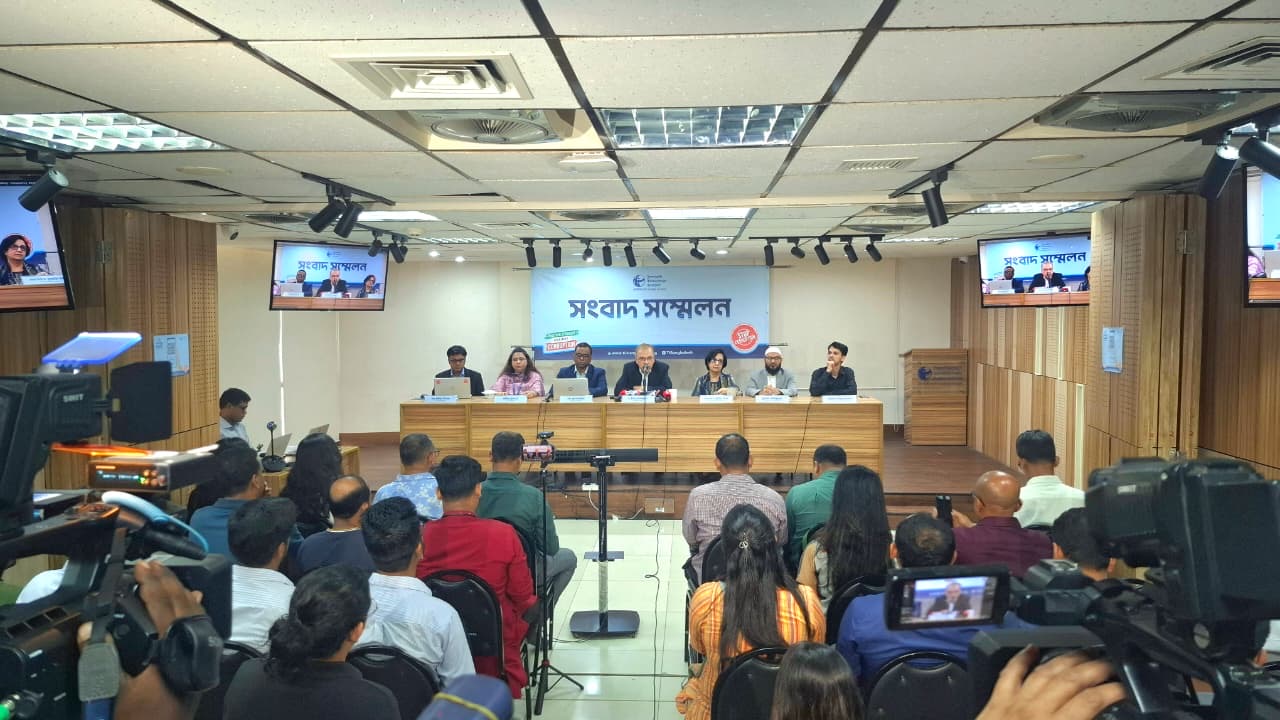
The assessment was presented in TIB’s observation-based report, “The First 100 Days of the Government Following the 13th National Parliamentary Election: Delivering on Commitments to Good Governance and Anti-Corruption,”unveiled at the organization’s Dhanmondi office on Sunday.
While acknowledging a number of positive initiatives—including the abolition of MPs’ duty-free vehicle and plot privileges, curbs on VVIP culture, efforts to recover laundered assets abroad, and greater parliamentary participation—TIB said these achievements have been overshadowed by policy reversals and decisions that undermine reform and public accountability.
“TIB’s overall assessment is that the first 100 days have been promising and full of potential, but there are already clear signs of retreat from the path of institutional reform,” Executive Director Dr. Iftekharuzzaman said.
He argued that several government actions contradict the BNP’s election manifesto, its 31-point reform agenda, and the aspirations of the July mass uprising, particularly the pledge to establish a transparent, accountable, and corruption-free system of governance.
A major concern highlighted by TIB is the government’s handling of interim-era reform measures. Of the 133 ordinances enacted during the interim administration, 97 were swiftly converted into laws.
However, key ordinances relating to judicial independence, the Human Rights Commission, the Anti-Corruption Commission (ACC), and protections against enforced disappearances were either repealed or suspended, effectively stalling reforms designed to strengthen accountability.
At the same time, TIB said the government pushed through controversial ordinances that expand executive influence, disregarding stakeholder concerns and departing from its stated reform agenda.
The report also points to growing paralysis in key oversight institutions. The ACC, Human Rights Commission, and Information Commission remain largely ineffective due to delays in appointments and restructuring, while concerns have emerged over politically influenced appointments in the central bank, local government bodies, universities, and professional institutions.
Parliamentary accountability has also weakened, according to TIB, with most standing committees yet to be formed and special committees remaining dominated by the ruling alliance.
Questions have also been raised over judicial independence following the dissolution of the Supreme Court Secretariat and related institutional changes.
The watchdog further noted that politically motivated cases continue to be filed, even as cases against ruling-party figures are being withdrawn at speed.
Journalists and critical voices continue to face legal pressure, while promises of merit-based administration have been undermined by allegations of political influence in transfers, promotions, and contractual appointments within the civil service.
In the banking sector, TIB expressed concern over the appointment of the central bank governor and criticized the Bank Resolution Act 2026, warning that it could enable owners of distressed banks to regain control without being held accountable. It also said longstanding practices of loan rescheduling remain largely untouched.
The report paints an equally troubling picture of media freedom and public access to information. During the government’s first 100 days, 188 journalists reportedly faced harassment in 130 incidents, including 12 cases and seven arrests.
TIB warned that controversial provisions of the Cyber Security Act 2026 risk being used to suppress freedom of expression. It also criticized the removal of key interim-government records from the Chief Adviser’s Office website, saying the move has made access to public information more difficult.
Law and order emerged as another area of concern. Between March and April 2026, authorities recorded 605 murders, 294 hijackings, 196 abductions, and 3,496 incidents of violence against women and children.
Despite government pledges to crack down on mob violence, TIB documented dozens of incidents nationwide, including attacks on shrines and Baul communities that left scores dead.
The organization also questioned the government’s response to extortion, land grabbing, and religious extremism, warning that a growing “now it is our turn” culture and the failure to prevent violence by extremist groups are eroding public confidence in the rule of law.
Urging immediate corrective action, TIB called on the government to implement its election promises through a clear and measurable roadmap, warning that failure to strengthen independent institutions and accountability mechanisms could undermine the public mandate for reform that emerged from the July uprising.
—