


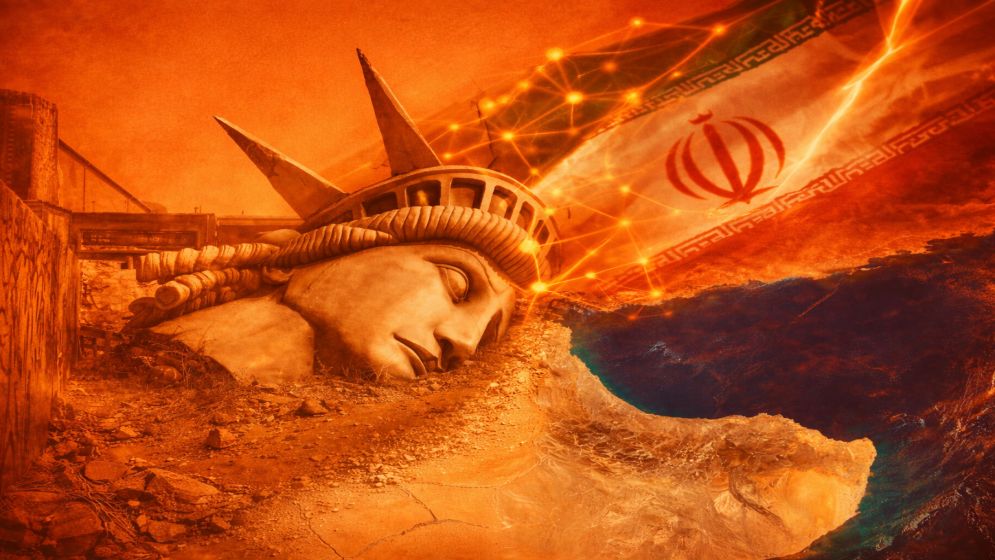
History rarely announces its conclusions. It circles and returns, often to the same narrow straits through which empires once rose and fell.
Few places embody this cyclical drama more vividly than the Strait of Hormuz, that slender maritime corridor linking the Persian Gulf to the wider world. In the early 16th century, control of Hormuz marked a decisive turning point in the balance between European and Muslim maritime power.
Today, five centuries later, it is once again at the center of geopolitical tension, prompting a familiar question. Are we witnessing another inflection point in global history?
The Portuguese seizure of Hormuz in 1515 symbolized the beginning of a profound transformation. European naval innovation, especially the development of heavily armed ships capable of firing broadsides, shifted the balance of power at sea.
Trade routes that had long been dominated by Muslim merchants, stretching from the Arabian Peninsula to the Malabar Coast and onward to Southeast Asia, were disrupted or overtaken. Ports that had thrived as cosmopolitan hubs of commerce and culture found themselves marginalized or destroyed.
A gradual erosion of influence then followed. Maritime dominance, once held by Muslim powers, passed into European hands. Over time, this naval supremacy enabled the expansion of European empires across Asia, Africa, and the Americas.
The control of chokepoints like Hormuz became a cornerstone of imperial strategy….a way to regulate trade and shape the global economy.
Fast forward to the present, and Hormuz remains just as strategically vital. A significant portion of the world’s oil supply still passes through this narrow passage. Any disruption there reverberates across global markets, affecting everything from fuel prices to geopolitical alliances.
Yet the actors have changed. Where once Portuguese caravels sailed, now modern navies patrol. Where imperial charters once dictated trade, now international law and economic interdependence complicate the picture.
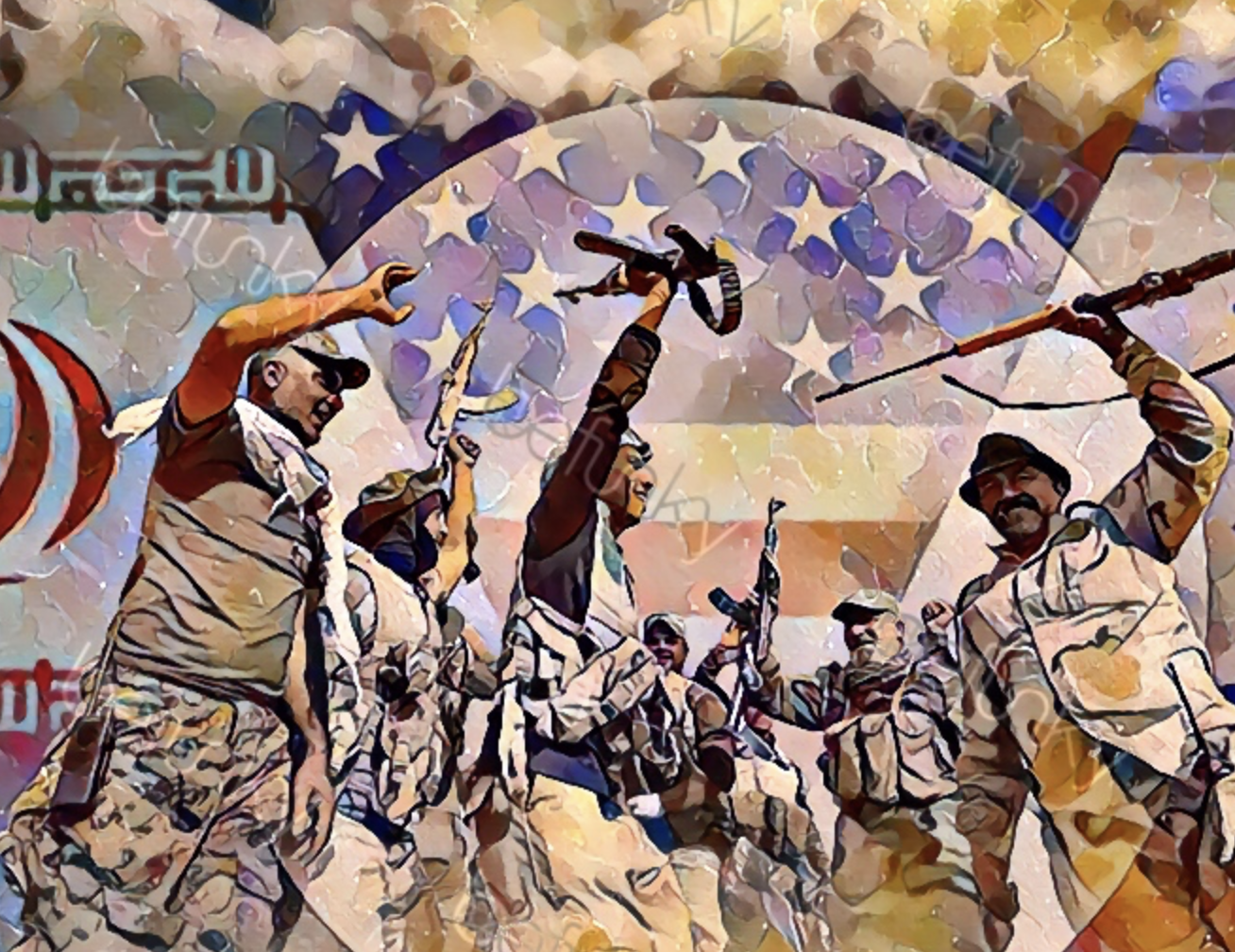
Changes in the order
Still, echoes of the past linger.
The United States, inheriting aspects of the maritime dominance once exercised by European empires, has long maintained a strong naval presence in the Persian Gulf. Meanwhile, regional powers, most notably Iran, have developed asymmetric strategies designed to counterbalance that power.
Small, fast boats, missiles, and other maritime technologies have altered the calculus of naval warfare, raising questions about the traditional naval supremacy.
These developments invite comparisons—some more rhetorical than analytical—to earlier moments when established powers were challenged by less conventional forces. The fall of the Western Roman Empire, the decline of Byzantium, or the upheavals of early modern Europe are often invoked as analogies.
Yet history resists simple parallels. Each era unfolds within its own unique constellation of economic, technological, and ideological factors.
What is clear, however, is that control of strategic geography continues to matter.
Hormuz, Bab el Mandab, the Suez Canal or the Strait of Malacca, is a fulcrum of global interaction. Whoever can influence its possession and accessibility holds an important lever over international trade.
At the same time, the nature of power itself has evolved. Military strength remains important but it is no longer sufficient on its own. Economic resilience and technological innovation play crucial roles.
Iran’s experience over the past few decades illustrates this complexity.
Facing sanctions, diplomatic isolation, and periodic confrontation, it has invested heavily in both conventional and unconventional forms of defense.
The Iranian security architecture—consisting of the IRGC, the conventional military, and the Basij—represents a strategic effort to fuse conventional military power with deep-seated ideological loyalty and grassroots social mobilization.
This integration points to a broader reality that wars are not fought by armies alone. They are sustained—or undermined—by the societies behind them.
History offers numerous examples of states whose formidable militaries faltered because their social foundations were weak, just as it offers cases where less technologically advanced forces prevailed through cohesion and motivation.
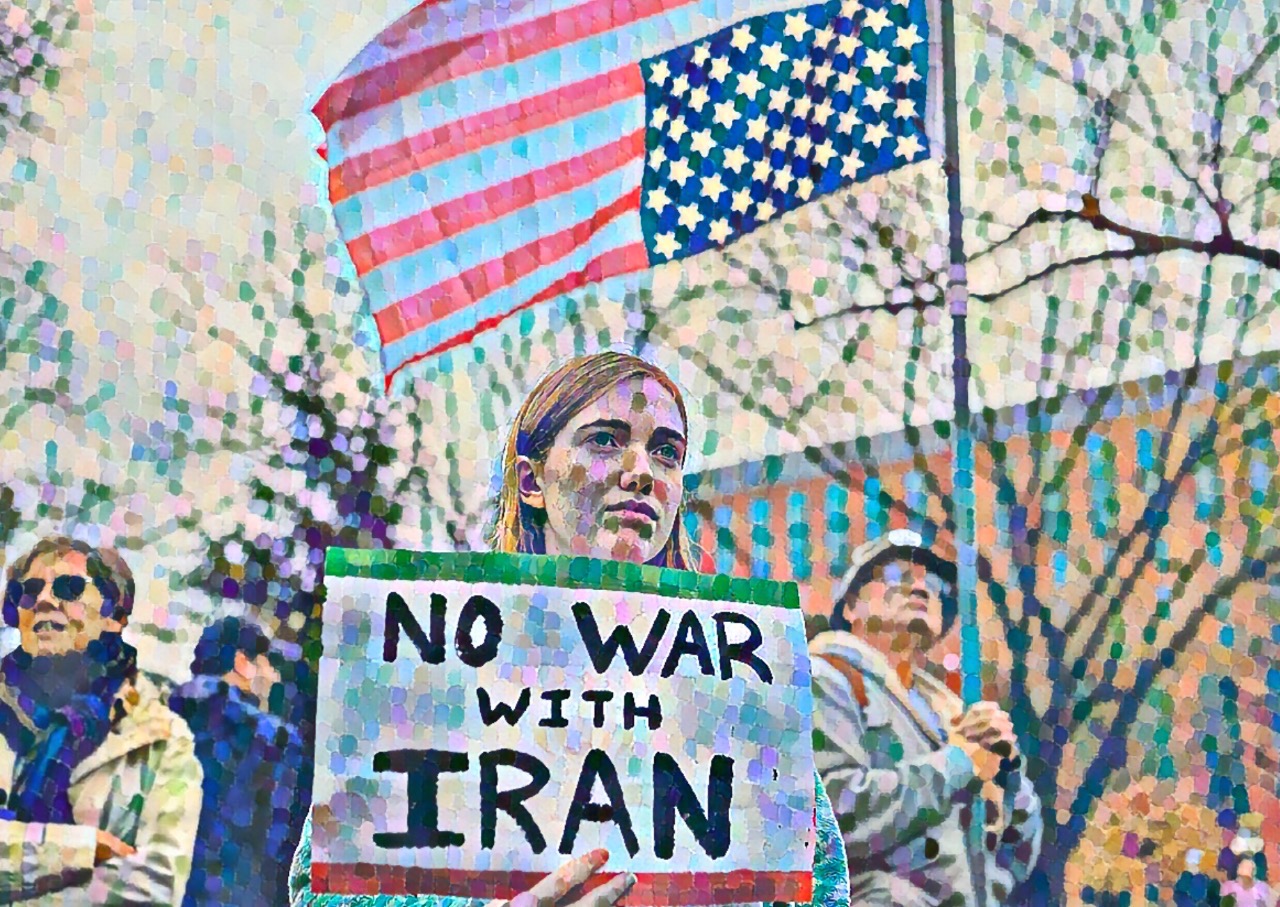
The cost of war
Yet it is important to avoid romanticizing conflict.
The language of “civilizational struggle” or “historical vengeance,” while evocative, can obscure the human costs of prolonged tension and warfare.
The Middle East has endured decades of instability, and its people have paid a heavy price. Any analysis that overlooks this reality risks reducing complex human experiences to abstract narratives of rise and fall.
The economic dimension is equally significant. The global system, often described as centered on the U.S. dollar and energy markets, has proven remarkably resilient, even as alternative frameworks have been proposed by groups like BRICS.
Whether regional power can meaningfully reshape this system through control of chokepoints like Hormuz remains an open question. Disruption is possible; transformation is far more difficult.
There is also the matter of ideology. The 20th century was defined, in part, by grand ideological contests….between capitalism and communism, colonialism and anti-colonialism.
In the decades since the end of the Cold War, some observers have argued that ideological fervor has waned, replaced by a more transactional, consumer-driven global culture.
Others contend that new forms of ideological commitment—whether religious, nationalistic, or otherwise—continue to shape political behaviour in profound ways.
Iran’s political identity, rooted in the revolution of 1979, reflects one such form of commitment. It blends religious symbolism with state structure, creating a system that is neither purely traditional nor fully modern in the Western sense.
Its supporters see this as a source of strength; its critics view it as a constraint on individual freedoms. Both perspectives contain elements of truth.
The relation between security and Azadi is particularly acute in states that perceive themselves as under siege. Continuous external pressure can justify extraordinary domestic resilience. This is not unique to any one country; it is a recurring dilemma in international politics.
Beyond state structures, there is the question of identity. Nations with deep historical roots—linguistic, cultural, and civilizational—often draw on that heritage in times of crisis. Iran, with its long history, is no exception.
References to ancient achievements or enduring cultural contributions serve as reminders of continuity, even amid changes.

Historical flashpoints
At the same time, regional dynamics are shifting.
Strategic partnerships remain in flux, and the lines between collaboration and competition are frequently indistinct. Iran’s ties with powers such as China and Russia have strengthened in specific fields, even as friction with other actors—notably Israel and certain Gulf monarchies—remains acute.
While the concept of opposing "axes" or blocs is often raised, the reality is far more complex than these binary models would imply
What, then, of the future Predictions of imperial collapse or regional transformation are as old as the empire itself. Some prove prescient; many do not. The concept of a “Black Swan”—an unexpected event with profound consequences—reminds us of the limits of foresight.
Yet not every shift in power constitutes such an event. Often, change is incremental, unfolding over years rather than the moment.
Still, there are reasons to pay attention to Hormuz today. Technological changes, from drone warfare to cyber capabilities, are altering the nature of conflict. Economic interdependence, while deep, is also fragile in the face of geopolitical tension.
And the symbolic weight of history continues to influence how leaders and societies interpret current events.
In the end, perhaps the most enduring lesson is that history does not belong to spectators. It is shaped by those who engage with it—whether as policymakers, scholars, or citizens.
To study history is not merely to recount what has happened, but to understand the patterns, contingencies, and choices that shape what comes next.
Hormuz, then, is more than a strategic strait. It is a mirror reflecting the past and present in unison—a reminder that while the actors and instruments of power may evolve, the fundamental questions of control and human aspiration remain constant.
Thus, history does not bid farewell. It lingers, revisits, and challenges every new generation: not to merely repeat what has come before, but to understand it deeply enough to navigate the future with greater clarity.
—
Faruk Wasif is a writer and journalist. He is the current Director General of PIB