

The dangerous pleasure of watching power punish others

Mikail Hossain
Publish: 25 Apr 2026, 11:45 PM
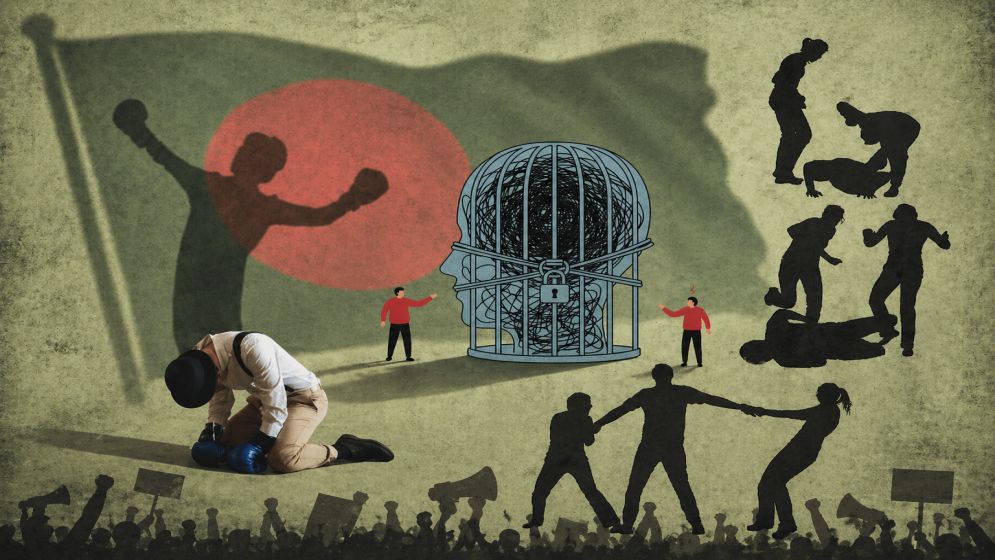
Every age invents its own forms of spectatorship. Ours may be the age of punitive entertainment. The viral clip of a protester beaten, the triumphant meme after a political rival is arrested, the social media thread celebrating humiliation because “they deserved it.”
Across ideological camps, many people have come to confuse emotional satisfaction with public good. If it feels gratifying, they assume it must also be just.
That confusion is not trivial. It is one of the hidden engines of large-scale cruelty.
There is a basic democratic truth too often forgotten. That the world is not a theater built to stage our desires. Society does not exist to fulfill private fantasies of revenge, purity, domination or moral vindication.
In any plural, interconnected political order, the fact that something pleases us says almost nothing about whether it improves collective life.
Yet modern politics increasingly runs on exactly this mistake.
A person may deeply dislike the lifestyle, beliefs or dress of another group. They may regard urban liberals, religious conservatives, secular activists, nationalists or minorities with contempt.
If members of that disliked group are harassed in public, silenced by authorities, or physically intimidated, the observer may feel a rush of pleasure. A private wish appears, momentarily, to become reality.
But the emotional reward of seeing one’s enemies suffer is not the same thing as justice. It is often the opposite.
What is celebrated in such moments is rarely principle. It is power.
This matters morally, but it matters even more politically and economically. The institutions that govern modern societies are already tilted toward concentrated power.
Wealthy elites, party machines, security actors, oligarchic networks and ideological brokers constantly attempt to convert their preferences into social reality.
Their conflicts are real, but their deeper consensus is stronger: ordinary people should adapt to systems they did not design.
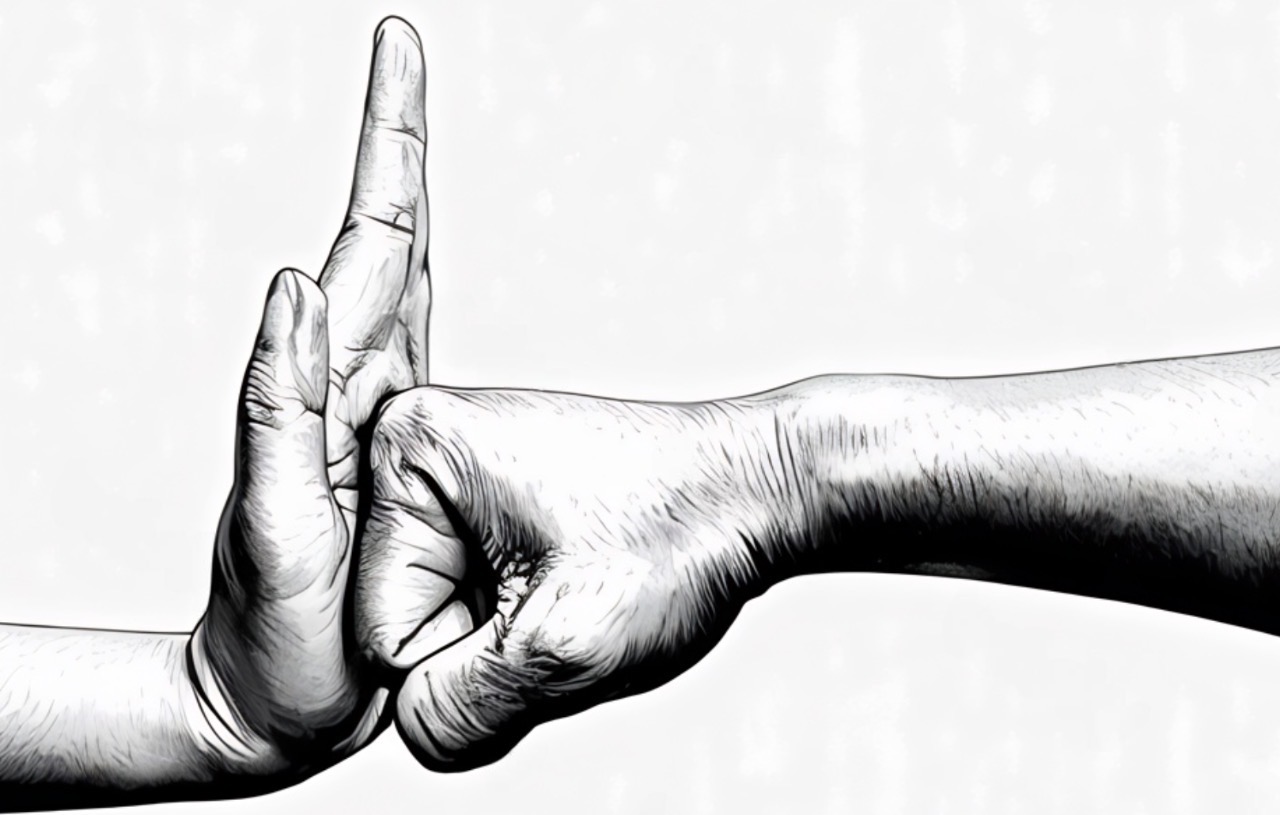
Cruel jokes
A cynical joke captures this arrangement well. The world is a luxury resort for a few hundred people, and the rest of us are staff.
That joke stings because it is recognizable. The powerful shape labor markets, housing costs, media narratives, policing priorities and access to justice. They can externalize the costs of their decisions onto workers, citizens and ecosystems.
They can present private gain as national necessity.
Against that background, when ordinary citizens celebrate acts of arbitrary force against rival groups, they are usually not cheering emancipation. They are cheering one faction of the powerful disciplining another set of people lower in the hierarchy.
This is why mob violence is so politically revealing. It often appears spontaneous, righteous or karmic. In reality, mobs rarely emerge in a vacuum. They act under signals of permission. They sense who is protected, who is vulnerable, and which authorities will look away.
Their courage is borrowed courage.
When a street vendor is assaulted, a dissident is chased, a student is beaten, a neighborhood is terrorized, these are not mystical corrections of history. They are expressions of power relations.
Today’s aggressor acts because he believes the current alignment of institutions favors him. Tomorrow he may be beaten by another faction when the winds shift. Neither event is justice. Both are demonstrations of a political order in which rules are weak and force is opportunistic.
To celebrate either side’s temporary victory is to endorse the underlying game.
Many citizens fail to see this because they interpret politics through immediacy. They ask only: Did someone I dislike lose? Did someone on my side win? If yes, then the event feels meaningful and good.
But politics is not arithmetic at the moment. It is architecture over time.
The norms you applaud when used against your enemies will remain available when used against you. The police powers expanded to suppress one camp will not disappear when governments change.
The culture of humiliation normalized against one minority can be redirected overnight. The mob trained to chant for your cause can quickly be hired by another patron.
History offers this lesson relentlessly, and still societies refuse to learn it.
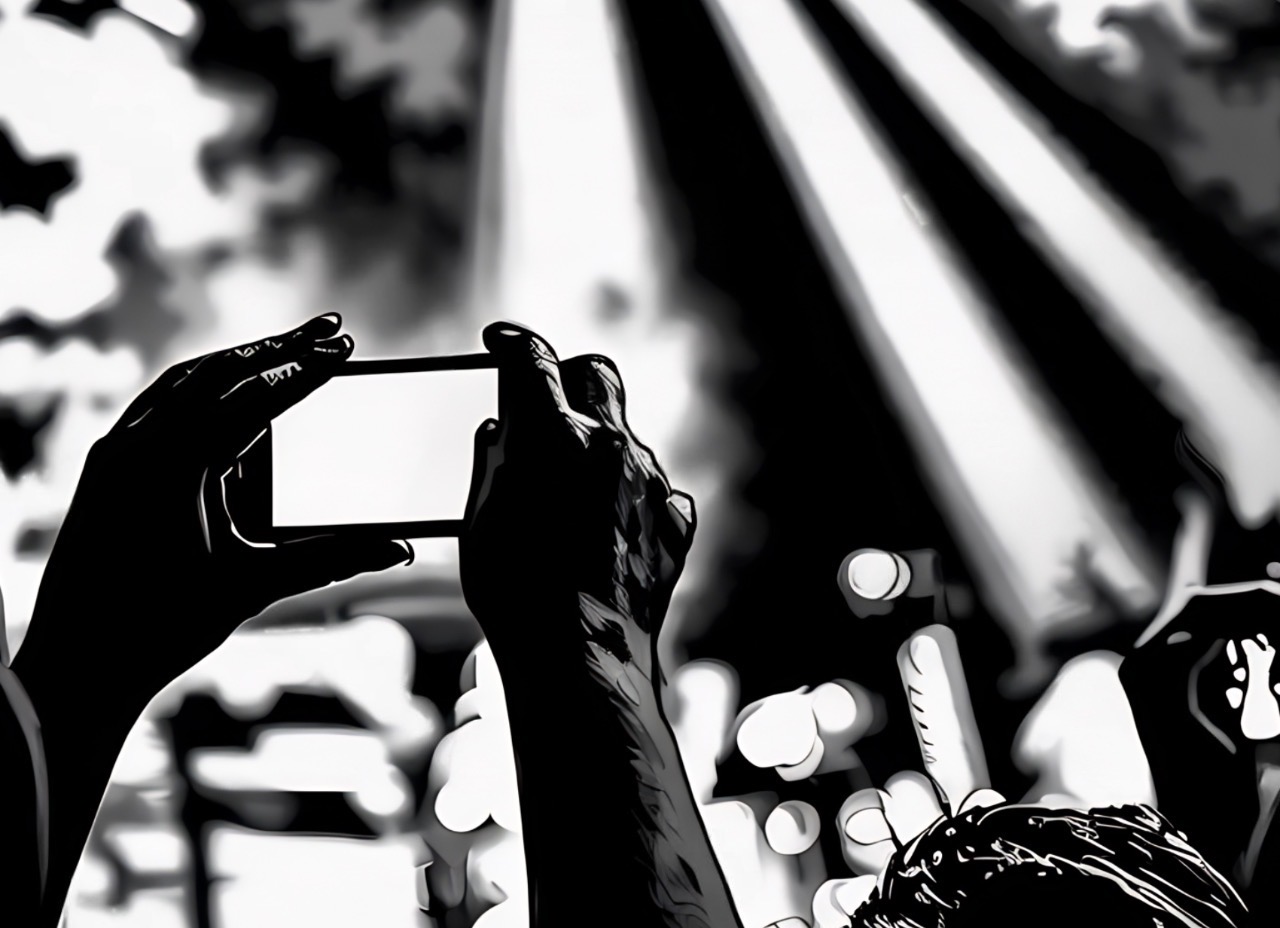
Dangerous voyeurism
There is also something psychologically corrosive in deriving joy from domination. It turns citizenship into voyeurism. Instead of asking how institutions should function, people become consumers of punishment.
They scroll through clips of arrests, beatings, expulsions and public shaming the way previous generations consumed spectacle sports.
The pleasure is real—but degraded.
It asks nothing of us except resentment. It relieves us of harder democratic labor: building fair rules, protecting due process, limiting arbitrary authority, defending rights even for opponents. It flatters the ego while hollowing the republic.
The deepest irony is that those who cheer the loudest are often themselves harmed daily by elite impunity. Their wages stagnate. Their public services decay. Their air and water worsen. Their legal protections weaken. Their opportunities narrow.
Yet instead of opposing the system that produces these conditions, they celebrate whenever that same system strikes someone they dislike.
This is political self-sabotage disguised as moral victory.
A mature civic culture requires a stricter standard. We must learn to ask not whether an event gratifies us, but whether it strengthens equal citizenship. Does it increase accountability?
Does it restrain arbitrary force? Does it apply rules consistently? Does it make ordinary life safer for people who hold no office, command no militia and own no media empire?
If the answer is no, then the event should not be celebrated—even when its target is contemptible.
That restraint is difficult. It demands emotional discipline in an age built to monetize outrage. Platforms reward tribal pleasure. Parties cultivate enemies because enemies mobilize voters. Commentators package cruelty as catharsis.
But democracies survive only when enough citizens refuse the bait.
The choice before many societies today is not simply left versus right, secular versus religious, nationalist versus cosmopolitan. It is rule-bound citizenship versus the infantile politics of wish fulfillment.
In the first world, no one always gets what they want, but everyone retains rights. In the second, each faction dreams of total victory and wakes up periodically oppressed.
The wise citizen understands that personal satisfaction is a poor compass for public life. The thrill of watching power punish others is temporary. The institutions empowered to do the punishing are not.
And once they grow accustomed to force, they seldom stop at your enemies.
—
Mikail Hossain is a writer and analyst