


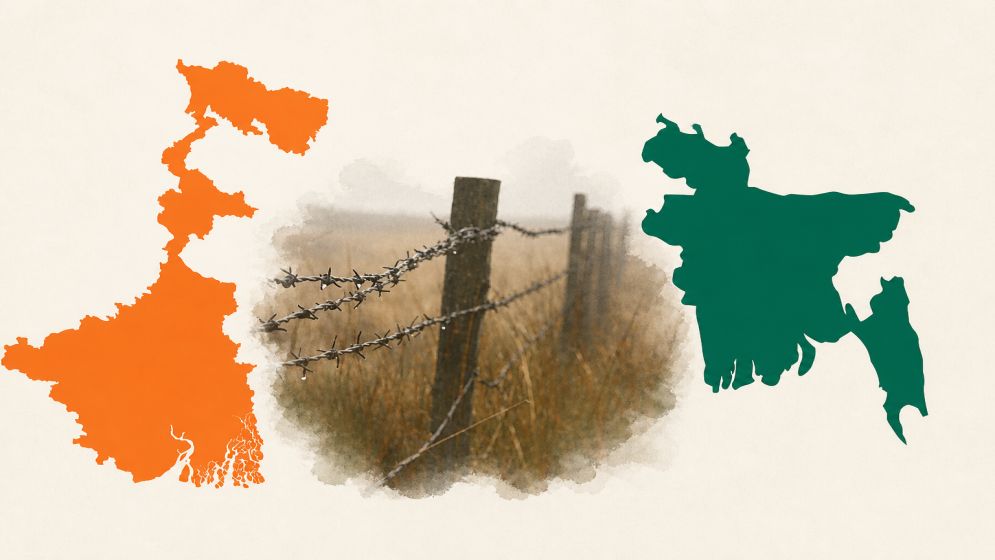
For decades, West Bengal was the delta where the Hindu-nationalist tide of the Bharatiya Janata Party (BJP) invariably broke.
No longer.
The results of the 2026 assembly elections signal a fundamental tectonic shift. By comfortably breezing past the 148-seat majority mark (as the result seems so far) in the 294-member house, the BJP has dismantled the last vital buffer before a complete saffronization.
The fall of this political fortress essentially redraws the policy frontier of the Indian union. For the first time, New Delhi’s ideological core is in lockstep with Kolkata’s administrative machinery.
This alignment is most potent along the 4,000-kilometre border with Bangladesh, where the dry language of "citizenship verification" is set to become the most disruptive tool in the South Asian toolkit.
The significance of this mandate lies in the transition from rhetoric to administrative capacity. In politics, dominance provides the "bandwidth" to execute what was once merely an aspiration.
Chief among these is the National Register of Citizens (NRC). Having been road-tested in the smaller, neighbouring state of Assam, the NRC mode, in all likelihood, is now ready for the West Bengal stage—a state with significantly higher stakes and a population exceeding 90 million.
The logic of the project is deceptively clerkish. By framing the hunt for "infiltrators" as a matter of archival hygiene—rectifying messy voter rolls and documentation—the state can present an ideological purge as a technocratic necessity.
Yet the math of verification is unforgiving.
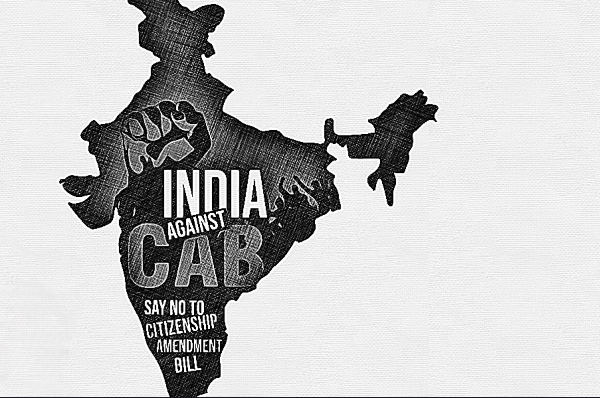
Replicating a regressive mechanism
In Assam’s 2019 exercise, roughly 1.9 million people—6% of the population—were excluded. Most failed not because they were foreigners, but because they were poor, illiterate, or lacked the meticulous ancestral records predating 1971 required by the state.
Transposing these mechanics to West Bengal produces staggering figures. Even a conservative exclusion rate of 3% would render three million people effectively stateless.
In a region where records are often lost to floods, fires, administrative oversight or simple poverty, small statistical errors produce vast human tragedies.
The question is no longer whether discrepancies will occur, but how the state intends to manage the resulting "doubtful citizens."
The infrastructure for this management is already out of the embryonic stage.
Assam has pioneered the use of "Foreigners’ Tribunals" and purpose-built detention centres. With the West Bengal government now a willing partner rather than a fierce opponent, the marginal cost of replicating this architecture drops precipitously.
The West Bengal state can now move incrementally: tightening document requirements for welfare, purging voter lists, and intensifying scrutiny in border districts.
For Dhaka, the view from across the fence is of course one of the mounting alarms.
Relations between India and Bangladesh have long been a delicate balancing act of trade and security. But a more assertive verification regime in Bengal threatens to tip the scales.
While formal deportations require bilateral treaties and proof of nationality—which Dhaka seldom acknowledges—the reality is often more ad hoc. "Push-ins," or informal expulsions, shift the burden of proof onto the receiving side.
If millions in Bengal are stripped of their legal standing, the pressure on the border will shift from a trickle to a torrent.
The political signaling from BJP leaders like Suvendu Adhikari, who in all likelihood will become the next Chief Minister, has been sharp, often blurring the line between identifying non-citizens and targeting specific religious communities.
While campaign fire and brimstone do not always crystallise into law, they set the expectations of the rank-and-file.
When millions are subjected to documentation checks, administrative "errors" tend to align with political prejudices.
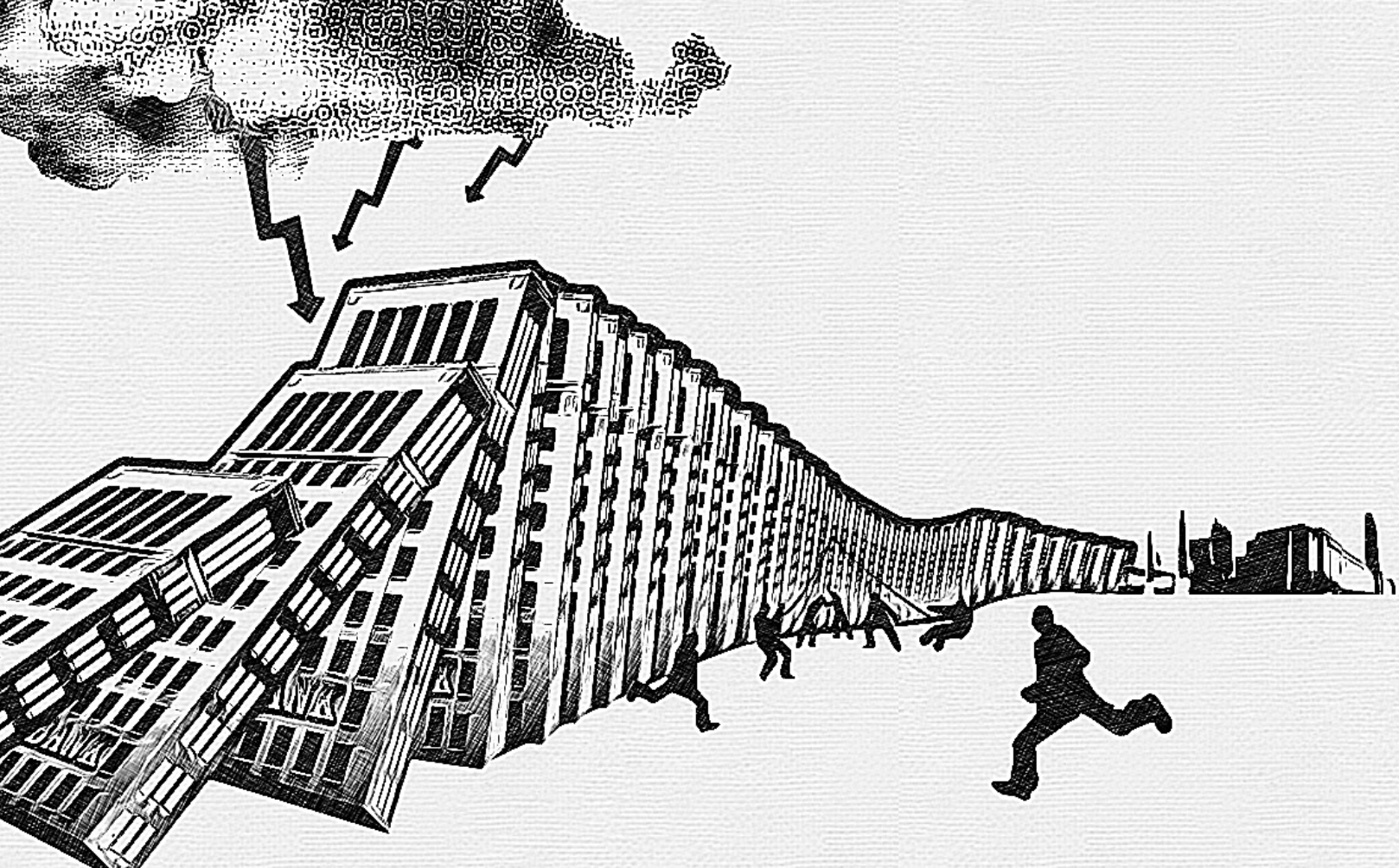
Potential economic consequences
The economic fallout will be equally pungent.
In Assam, those caught in the verification trap have been known to spend more than their annual income on legal fees, liquidating assets and falling into debt traps.
In West Bengal’s massive informal economy, the creation of a permanent underclass of "unverified" workers would depress wages and strip away what few protections exist.
For Bangladesh, any sudden influx of displaced persons would strain the resources of border districts already living on the edge.
There is also a grim "political economy" to this process that favours the incumbent.
Verification creates a visible, binary distinction between the "legitimate" majority and a "suspect" minority. Assam’s experience suggests that such systems can operate with a surprising lack of open unrest; the conflict is not fought in the streets but is buried under mountains of paperwork in slow-moving tribunals.
The state trades social cohesion for administrative control.
However, the sheer scale of the Bengal project may yet test the limits of Indian bureaucracy as well. Retrospective citizenship validation is a rare and expensive pursuit globally.
Most states focus on prospective controls—who is coming in—rather than reclassifying who is already there. The administrative load of adjudicating millions of cases is immense. Assam’s backlogs remain unresolved years later; Bengal’s could last decades.
Ultimately, the 2026 election has moved terms like "detention camp" from the fringes of political critique into the everyday vocabulary of South Asian governance. By framing confinement as a procedural outcome of routine administration, the state makes the unthinkable palatable.
With legislative authority and a supportive base, the new government in Kolkata will have the tools to redefine what it means to belong.
For the millions living in the shadow of the border, the numbers are not abstract. They are the difference between a life of citizenship and a future of legal limbo.
—